
Dark spots are one of those skin concerns that sneak up on you.
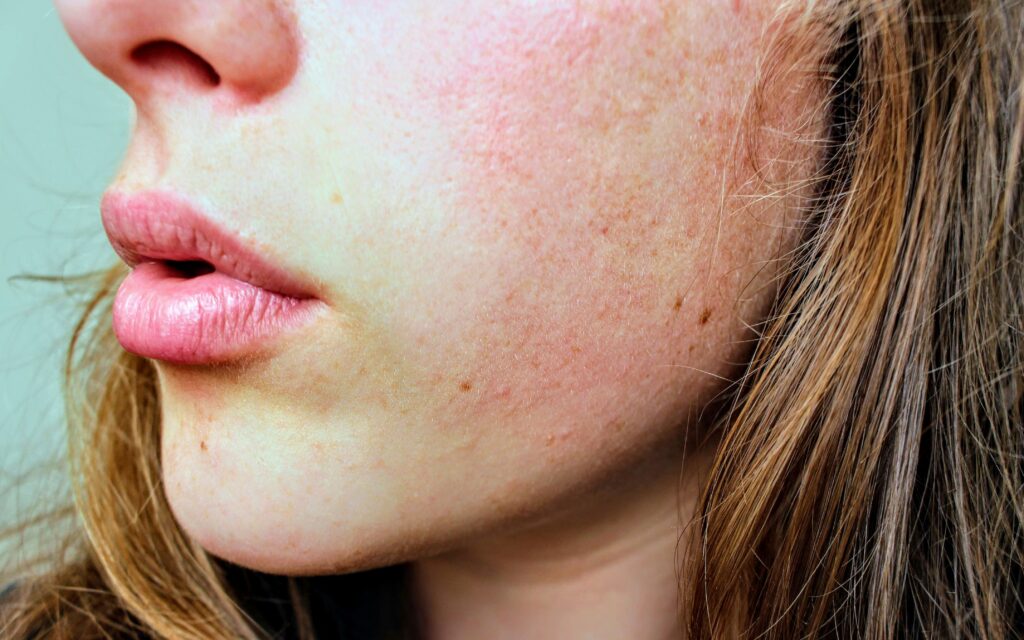
One day your skin looks relatively even. Then gradually — so gradually you almost do not notice it happening — small patches of darker pigmentation start appearing. Around your cheeks. On your forehead. Along your jawline. Maybe a cluster of spots where a breakout healed three months ago. Maybe a sun spot that appeared on your nose after a summer of inadequate SPF.
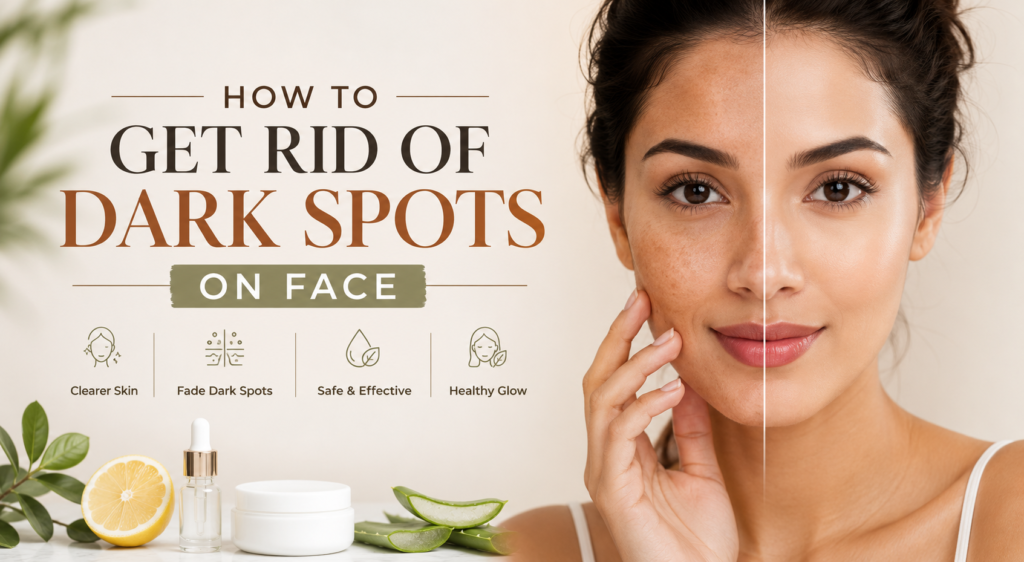
You start wearing more foundation. You look at your bare skin in the mirror and think it looks ten years older than it did. You buy a brightening product because the packaging promised visible results in four weeks. Four weeks later the spots are exactly the same.
Knowing how to get rid of dark spots on face is genuinely complicated by the fact that the skincare industry treats all dark spots as the same condition — when they are actually several different conditions with different causes that respond to different treatments. The brightening product that works brilliantly for post-acne marks does almost nothing for deep melasma. The exfoliant that fades sun spots quickly does not address the hormonal pigmentation patterns that melasma creates.
This guide explains exactly what dark spots are, what causes each type, and precisely what actually works to fade each one — based on clinical evidence rather than marketing claims.
What Dark Spots Actually Are — The Biology
Before getting to treatments it is worth understanding what dark spots actually are at a biological level — because this understanding changes how you evaluate every treatment and why some approaches work and others do not.
Dark spots — also called hyperpigmentation — are areas of skin where melanin, the pigment that gives skin its color, has been produced in excess and concentrated in a localized area. Melanin is produced by specialized skin cells called melanocytes. Every skin tone has the same number of melanocytes — what differs is how actively those melanocytes produce melanin and how much they produce in response to various triggers.
The process of melanin production is called melanogenesis. It begins when a trigger — UV radiation, inflammation, hormones, or injury — activates the melanocyte. The activated melanocyte produces melanin through a series of enzymatic reactions, the key one being the conversion of the amino acid tyrosine to melanin by an enzyme called tyrosinase. The melanin is then packaged into structures called melanosomes and transferred to surrounding skin cells where it accumulates and creates the visible darkening we see as a dark spot.
Most treatments for dark spots work by interrupting this process at one or more points — either by reducing melanocyte activation, inhibiting tyrosinase activity, blocking melanosome transfer, or accelerating the shedding of the pigmented cells. Understanding which step a treatment targets explains why combining multiple approaches produces faster results than any single ingredient alone.
The Different Types of Dark Spots — Why This Matters
Not all dark spots are the same and treating them as if they are is the most common reason dark spot treatments fail. Here are the four main types and their defining characteristics.
Post-inflammatory hyperpigmentation
Post-inflammatory hyperpigmentation — usually abbreviated as PIH — is the dark mark left behind after skin inflammation resolves. It is the flat dark spot that remains after an acne breakout heals. The red, purple, or brown discoloration that lingers for weeks or months after a pimple. The darkening that follows an insect bite, a scratch, or any other injury to the skin surface.

PIH occurs because the inflammatory process that resolves the original injury also activates nearby melanocytes as a byproduct. The melanocytes produce excess melanin in the inflamed area and this melanin remains in the skin cells long after the inflammation has resolved.
PIH is more common and more severe in medium to deep skin tones — not because darker skin is more prone to pigmentation but because there is more melanin available to be activated by the inflammatory process. In lighter skin tones PIH tends to fade more quickly and with less intervention. In deeper skin tones it can persist for a year or more without active treatment.
PIH responds well to topical treatments and fades with time. It does not involve structural changes to melanocyte behavior — just a temporary excess of melanin in a localized area that can be addressed by accelerating cell turnover and inhibiting further melanin production.
Solar lentigines — sun spots
Sun spots — also called age spots or liver spots despite having nothing to do with the liver — are the flat brown spots that appear in areas of chronic sun exposure. Cheeks, forehead, nose, the back of hands. They accumulate over years of UV exposure and become more numerous and more visible with age.
UV radiation is the direct trigger for solar lentigines. It activates melanocytes in the UV-exposed areas and with repeated activation over years those melanocytes become permanently more active — producing more melanin than surrounding melanocytes even without ongoing UV stimulation. This is why sun spots tend to be permanent without active treatment and tend to recur after treatment if sun protection is not maintained consistently.
Sun spots are flat, clearly defined, uniformly pigmented. They do not follow the distribution of vascular inflammation the way PIH does — they appear in UV-exposed areas specifically regardless of whether that skin has experienced breakouts or injury.
Melasma
Melasma is the most complex and most difficult to treat form of facial hyperpigmentation. It appears as larger, irregular patches of darker pigmentation typically on the cheeks, upper lip, forehead, and bridge of the nose — a characteristic butterfly distribution across the central face.
Melasma is driven by a combination of UV exposure and hormonal influences. It is significantly more common in women than men. It is triggered and worsened by pregnancy — which is why it is sometimes called the mask of pregnancy — by oral contraceptives, by hormone replacement therapy, and by other sources of estrogen. Heat and visible light worsen melasma even without UV — making it one of the most difficult pigmentation conditions to treat because even indoor light and screen light can contribute to recurrence.
Melasma involves deeper structural changes to melanocytes than PIH or sun spots — the melanocytes in melasma-affected areas have fundamentally altered behavior, not just a temporary increase in melanin production. This is why melasma recurs after treatment more readily than other types of dark spots and why the most successful approaches to melasma combine active treatment with rigorous ongoing prevention.
Freckles and ephelides
Freckles are genetic — they are caused by melanocytes that are genetically programmed to produce melanin in response to UV exposure more readily than surrounding cells. They are not a sign of sun damage in the same way sun spots are. They darken with sun exposure and fade in winter. They are associated with certain skin tones and hair colors and represent normal skin variation rather than a pathological pigmentation condition.

Freckles can be lightened with the same treatments that address other forms of hyperpigmentation but they tend to recur readily with UV exposure since the genetic programming that causes them is not something topical treatments can change. Sun protection limits their darkening — it does not eliminate the underlying tendency.
The Ingredients That Actually Work — With Evidence
This is the section that matters most. The skincare market is saturated with products claiming to address dark spots. Most of them rely on concentrations too low to produce clinical results or on mechanisms that are not supported by peer-reviewed evidence.
These are the ingredients that have genuine clinical evidence behind them for hyperpigmentation treatment.
Vitamin C — L-ascorbic acid
Vitamin C is the most versatile and widely-used brightening ingredient in skincare and one of the most extensively studied. It works through multiple mechanisms simultaneously — inhibiting tyrosinase to reduce melanin production, providing antioxidant protection against UV-triggered melanogenesis, and accelerating the fading of existing pigmentation by neutralizing the oxidized melanin that contributes to spot darkness.
According to research published on PubMed, topical vitamin C at effective concentrations produces measurable reduction in hyperpigmentation over eight to twelve weeks of consistent daily use. The key word is effective — vitamin C at concentrations below 10% produces minimal brightening results. Effective brightening requires L-ascorbic acid at concentrations of 10% to 20%.
Vitamin C is most effective in the morning routine both because its antioxidant properties protect against the UV-triggered melanogenesis that darkens spots daily and because daytime application followed by SPF amplifies the protective effect.
The TruSkin Vitamin C Serum combines L-ascorbic acid with hyaluronic acid and vitamin E in a stable, accessible formula. Available at Sephora.
For a more potent option the Paula’s Choice C15 Super Booster delivers 15% L-ascorbic acid with ferulic acid for enhanced stability and efficacy. Available at paulaschoice.com.
Niacinamide
Niacinamide — vitamin B3 — fades hyperpigmentation through a different mechanism to vitamin C. Rather than inhibiting tyrosinase it inhibits the transfer of melanosomes — the melanin-containing structures — from melanocytes to surrounding skin cells. By interrupting the transfer step rather than the production step niacinamide reduces the amount of melanin that accumulates in the visible skin cells even when melanocytes continue to produce it.
A study referenced on Healthline found 4% niacinamide as effective as 4% hydroquinone for reducing hyperpigmentation over an eight-week period — a remarkable result for a non-prescription ingredient with an excellent safety profile.
At 10% concentration niacinamide produces visible improvement in dark spots within eight to twelve weeks of daily use. The Ordinary Niacinamide 10% + Zinc 1% is the most widely used and recommended option. Available at Sephora.
Alpha arbutin
Alpha arbutin is a glycosylated form of hydroquinone — it delivers the tyrosinase-inhibiting benefits of hydroquinone without the oxidative stress and side effects associated with hydroquinone itself. It is significantly more stable than hydroquinone and does not carry the same concerns about long-term use.
Alpha arbutin is particularly effective for PIH and sun spots at concentrations of 1% to 2%. The Ordinary Alpha Arbutin 2% + HA is one of the most well-formulated and accessible options. Available at Sephora.
Tranexamic acid
Tranexamic acid has become one of the most discussed brightening ingredients in skincare over the last three years — and the clinical evidence behind it is genuinely impressive. Originally a pharmaceutical compound used internally to reduce bleeding, topical tranexamic acid works by blocking the interaction between keratinocytes — the most common skin cells — and melanocytes that triggers melanin production in response to UV and inflammation.
At concentrations of 2% to 5% tranexamic acid is one of the most effective topical treatments for melasma — the most difficult hyperpigmentation type — which most other brightening ingredients address less effectively. It is also effective for PIH and sun spots.
The Good Molecules Discoloration Correcting Serum combines tranexamic acid with niacinamide and kojic acid for a multi-mechanism brightening approach at an accessible price point. Available at Sephora.
Kojic acid
Kojic acid is a byproduct of the fermentation process used to produce sake — its brightening properties were discovered when sake brewery workers developed consistently lighter skin on their hands despite significant sun exposure. It inhibits tyrosinase activity by chelating the copper ions that tyrosinase requires to function — a mechanism slightly different to the competition inhibition used by most other tyrosinase inhibitors.
Kojic acid is effective for multiple hyperpigmentation types but is a mild sensitizer for some skin types — introduce it slowly and discontinue if irritation develops. At concentrations of 1% to 4% it produces visible brightening within eight to twelve weeks.
Retinol
Retinol addresses hyperpigmentation through its cell turnover acceleration mechanism. By speeding up the replacement of pigmented surface cells with new unpigmented ones retinol gradually fades dark spots — particularly PIH — over a twelve to twenty-four week treatment period.
Retinol combined with a dedicated tyrosinase inhibitor like vitamin C or niacinamide produces faster and more complete results than either ingredient alone — the tyrosinase inhibitor reduces new melanin production while retinol accelerates the shedding of existing pigmented cells.
Our complete guide on retinol for beginners covers how to introduce retinol correctly for people new to the ingredient.
Azelaic acid
Azelaic acid inhibits tyrosinase and has specific anti-inflammatory properties that make it particularly effective for PIH caused by acne inflammation and for melasma. It is one of the few brightening ingredients that is considered safe during pregnancy — making it relevant for melasma triggered by pregnancy hormones. At prescription concentrations of 15% to 20% it is a first-line melasma treatment. At the 10% concentration available over the counter it still produces meaningful results for PIH and mild hyperpigmentation.
The Ordinary Azelaic Acid Suspension 10% is the most accessible over-the-counter azelaic acid option. Available at Sephora.
Chemical exfoliation — AHA and BHA
Chemical exfoliants do not directly inhibit melanin production but they accelerate the shedding of the pigmented surface cells that make dark spots visible. AHA acids — particularly glycolic acid — produce the most rapid visible improvement in the appearance of dark spots because they remove the layers of pigmented cells most efficiently. This makes them an excellent supporting treatment alongside tyrosinase inhibitors rather than a standalone dark spot treatment.
Regular AHA exfoliation two to three times per week allows tyrosinase inhibitors applied in between to work on skin that has fewer layers of pigmented dead cells obscuring their effect. The combination produces faster visible results than either approach alone.
The Ingredient Combinations That Work Best
Using multiple mechanisms simultaneously produces faster and more complete hyperpigmentation resolution than any single ingredient alone. Here are the most evidence-backed combinations for each dark spot type.
For post-inflammatory hyperpigmentation: Morning — vitamin C serum followed by SPF 50. Evening — niacinamide serum, retinol two to three nights per week within the skin cycling framework, AHA exfoliant on alternate evenings. This combination addresses PIH through four mechanisms simultaneously — antioxidant protection, melanosome transfer inhibition, cell turnover acceleration, and exfoliation of existing pigmented cells.
For sun spots: Morning — high-concentration vitamin C serum, SPF 50 broad spectrum applied generously. Evening — alpha arbutin serum, retinol two to three nights per week, AHA exfoliant on alternate nights. The emphasis on rigorous daily SPF is critical for sun spots — ongoing UV exposure continues to activate the melanocytes responsible for sun spots even while treatment is fading existing ones.
For melasma: Melasma is the most difficult to treat and typically requires the most comprehensive approach. Morning — tranexamic acid serum, azelaic acid, SPF 50 with iron oxides which protect against visible light — a contributing factor to melasma that standard SPF does not address. Evening — niacinamide serum, retinol or adapalene within skin cycling framework, occasional AHA exfoliation. Melasma often requires dermatologist supervision for optimal results — prescription tretinoin and hydroquinone in a triple combination formula remain the most effective treatment for severe melasma.
According to the American Academy of Dermatology, the most effective approach to fading dark spots combines topical treatments with rigorous daily sun protection — without SPF worn every day any progress made by topical treatments is counteracted by ongoing UV-triggered melanogenesis.
The Role of SPF in Dark Spot Treatment — Non-Negotiable
SPF deserves its own section in any dark spot guide because it is simultaneously the most important part of any hyperpigmentation treatment and the most frequently skipped.
Here is why SPF is not optional for dark spot treatment. Every morning that you go without SPF your skin is exposed to UV radiation that triggers melanogenesis in every dark spot on your face. The melanocytes that caused those spots are still present and still reactive. UV exposure activates them and produces more melanin in those areas — darkening spots that your evening treatments were working to fade. Without daily SPF you are engaged in a cycle of treating spots at night and re-darkening them during the day. The result is slow or no visible progress regardless of how effective your treatment products are.
SPF 50 broad spectrum worn every morning is not just a complement to dark spot treatment. It is a prerequisite for any treatment product to produce visible results in a reasonable timeframe.
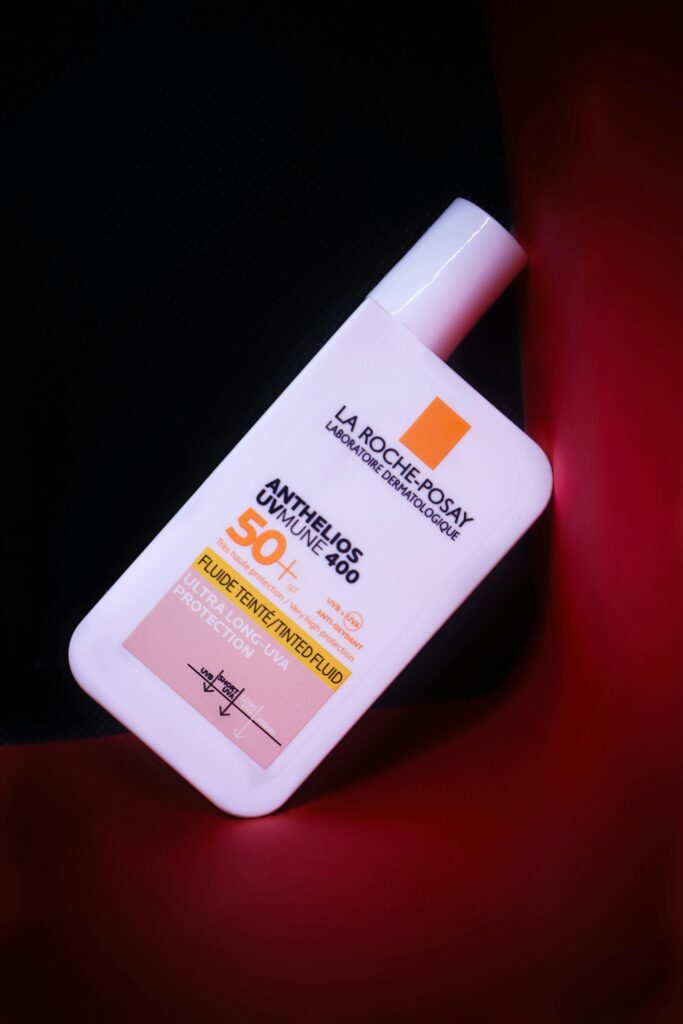
For melasma specifically standard SPF is not sufficient because melasma is also triggered by visible light and heat — not just UV. Tinted mineral sunscreens containing iron oxides provide protection against visible light that untinted sunscreens do not. The La Roche-Posay Anthelios Tinted Mineral SPF 50 is specifically formulated with iron oxides for this protection. Available at Dermstore.
Professional Treatments — When Topical Approaches Are Not Enough
For deep, longstanding, or severe hyperpigmentation — particularly melasma and deeply embedded sun spots — topical treatments alone may not be sufficient. Several professional treatments produce results that topical approaches cannot match.
Chemical peels using glycolic acid, lactic acid, or trichloroacetic acid at concentrations far higher than over-the-counter products produce dramatic improvement in surface hyperpigmentation in a single to three treatment sessions. They are particularly effective for sun spots and superficial PIH. Deeper peels produce more significant results but require longer recovery and carry higher risks — always performed and supervised by a qualified dermatologist or aesthetic practitioner.
Laser treatments — specifically Q-switched lasers, picosecond lasers, and intense pulsed light — target melanin in dark spots selectively, breaking it down without damaging surrounding skin. They are the most effective professional treatment for sun spots specifically and produce visible results in one to three sessions. They are not appropriate for active melasma since the heat generated can trigger further melasma activation.
Prescription topical treatments — tretinoin at prescription strength, hydroquinone at 4% or higher, and the triple combination cream combining tretinoin, hydroquinone, and a steroid — produce results that over-the-counter products cannot match for severe hyperpigmentation. These require a dermatologist prescription and regular monitoring but remain the gold standard for significant melasma and deeply established hyperpigmentation.
If your dark spots have not responded meaningfully to consistent topical treatment over three to four months a dermatologist consultation is the appropriate next step.
Building Your Dark Spot Treatment Routine
An effective dark spot routine combines prevention — rigorous SPF every morning — with treatment through multiple complementary mechanisms in the evening. Here is a practical framework.
Morning routine for dark spots: gentle cleanser, vitamin C serum at 10% to 20% concentration applied to clean damp skin, lightweight moisturizer, SPF 50 broad spectrum applied generously as the final step. This morning routine addresses dark spots through antioxidant melanogenesis prevention and UV protection simultaneously.
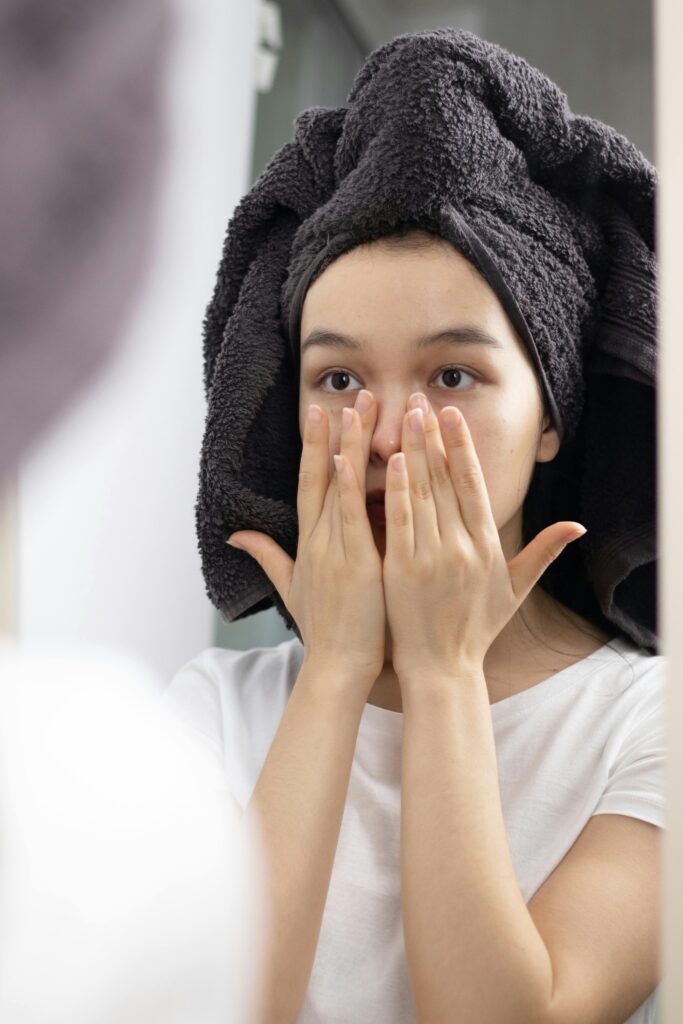
Evening routine for dark spots: double cleanse, niacinamide serum or alpha arbutin serum as your primary treatment, retinol two to three evenings per week within a skin cycling framework, AHA exfoliant on alternate evenings to the retinol, moisturizer with ceramides as the final seal.
The weekly treatment schedule that produces the fastest visible results: Monday — AHA exfoliant evening. Tuesday — retinol evening. Wednesday — niacinamide and recovery. Thursday — AHA exfoliant evening. Friday — retinol evening. Saturday — niacinamide and recovery. Sunday — full recovery with rich moisturizer and sleeping mask.
Results timeline: first visible improvement in PIH typically appears within four to six weeks of this combined approach. Meaningful fading of established dark spots takes eight to twelve weeks. Complete resolution of PIH and moderate sun spots takes three to six months. Melasma may require six to twelve months of consistent treatment with ongoing maintenance.
If you want to know exactly which dark spot treatments are right for your specific skin type and which combination of ingredients will be most effective for the particular type of hyperpigmentation you are dealing with the free AI skin analysis at yourskingpt.com/skin-analysis analyzes your actual skin from a selfie and identifies your specific concerns with personalized product recommendations. Free in fifteen seconds with no account required.
You might also find our complete guides on niacinamide benefits for skin and vitamin C serum benefits for skin useful for understanding the two most important ingredients in any dark spot treatment routine.
Frequently Asked Questions
How long does it take to get rid of dark spots? It depends on the type, depth, and age of the dark spot and the treatment approach used. Fresh PIH from a recent breakout can fade meaningfully within four to six weeks with consistent treatment and daily SPF. Established sun spots take three to six months. Deep melasma may take six to twelve months with a comprehensive approach and sometimes requires professional treatment for complete resolution. Consistency and daily SPF are the two factors that most influence how quickly results appear.
Do dark spots go away on their own? Fresh PIH from acne can fade on its own over six to twelve months without treatment — the excess melanin gradually sheds with normal cell turnover. Established sun spots and melasma do not fade on their own and tend to deepen over time without active treatment and sun protection. Active treatment significantly speeds the fading of PIH and is essentially required for meaningful improvement of sun spots and melasma.
Can dark spots be completely removed? PIH and mild to moderate sun spots can be completely resolved with consistent treatment and ongoing sun protection. Deep, longstanding sun spots sometimes leave a slight residual mark even after treatment. Melasma can be significantly lightened and controlled but has a strong tendency to recur — particularly with UV exposure and hormonal changes — meaning management rather than permanent removal is the realistic goal for many people.
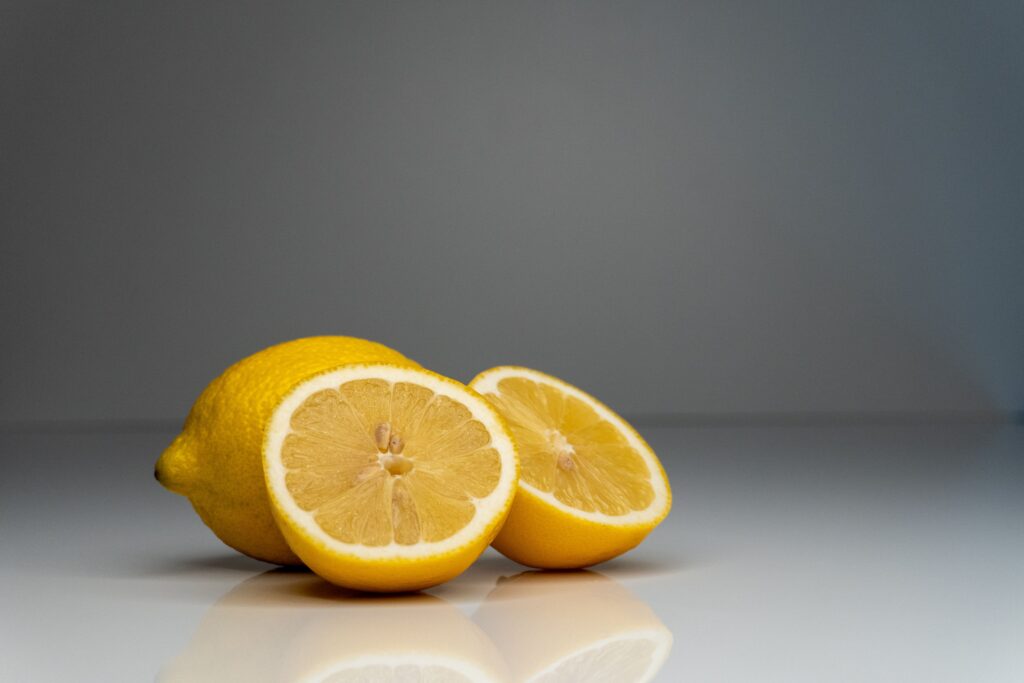
Does lemon juice fade dark spots? This is one of the most persistent skincare myths. Lemon juice contains citric acid and vitamin C but at concentrations and in a form that is not appropriate for topical use on skin. The acidity of undiluted lemon juice — pH around 2 — can cause chemical burns and PIH, the very condition you are trying to treat. Do not apply lemon juice directly to your skin. Use properly formulated skincare products with clinically validated concentrations of effective ingredients.
Is niacinamide or vitamin C better for dark spots? Both are effective but through different mechanisms. Vitamin C inhibits melanin production and provides photoprotection — making it ideal in the morning before SPF. Niacinamide inhibits melanosome transfer — making it effective at any time but particularly useful in the evening routine. Together they address hyperpigmentation through two complementary pathways producing faster and more complete results than either alone. Using vitamin C in the morning and niacinamide in the evening is the optimal approach for most hyperpigmentation types.
Will dark spots come back after treatment? PIH from acne will recur if you continue to have acne breakouts — the inflammation from each new breakout can trigger new PIH in the same or adjacent areas. Managing the underlying acne while treating existing PIH simultaneously is the most effective approach. Sun spots will recur if daily SPF is not maintained consistently. Melasma almost always recurs without ongoing preventive measures including daily SPF and avoidance of hormonal triggers where possible.
The Bottom Line
Getting rid of dark spots on the face requires understanding which type of dark spot you are dealing with, choosing ingredients that address that specific type through the right mechanisms, using those ingredients consistently at effective concentrations, and wearing SPF 50 every single morning without exception.
There is no single product that eliminates dark spots quickly. The treatments that work do so gradually over months — not days. The before-and-afters that show dramatic dark spot resolution represent three to six months of consistent daily treatment, not a single product used for two weeks.
The combination that produces the fastest visible results for most types of dark spots is vitamin C in the morning under SPF 50, niacinamide or alpha arbutin in the evening, retinol two to three nights per week, and AHA exfoliation on alternate evenings. This four-component approach addresses melanin production, melanosome transfer, cell turnover, and surface exfoliation simultaneously — the most comprehensive topical approach available without a prescription.
Start with SPF today. Add vitamin C tomorrow morning. Build the rest of the routine from there. In three months your skin will look measurably different from what it looks like today.
The free AI skin analysis at yourskingpt.com/skin-analysis identifies the specific type of hyperpigmentation on your skin and recommends the exact treatment combination most appropriate for your skin type and condition — free in fifteen seconds with no account required.
This article is for informational purposes only and does not constitute medical advice. Always consult a qualified dermatologist for severe or persistent hyperpigmentation concerns, particularly for melasma which often requires professional treatment for optimal results.