
Walk into any dermatologist’s office in the world and ask them to name two skincare brands they recommend without hesitation.
Almost every single one will say CeraVe and La Roche-Posay.
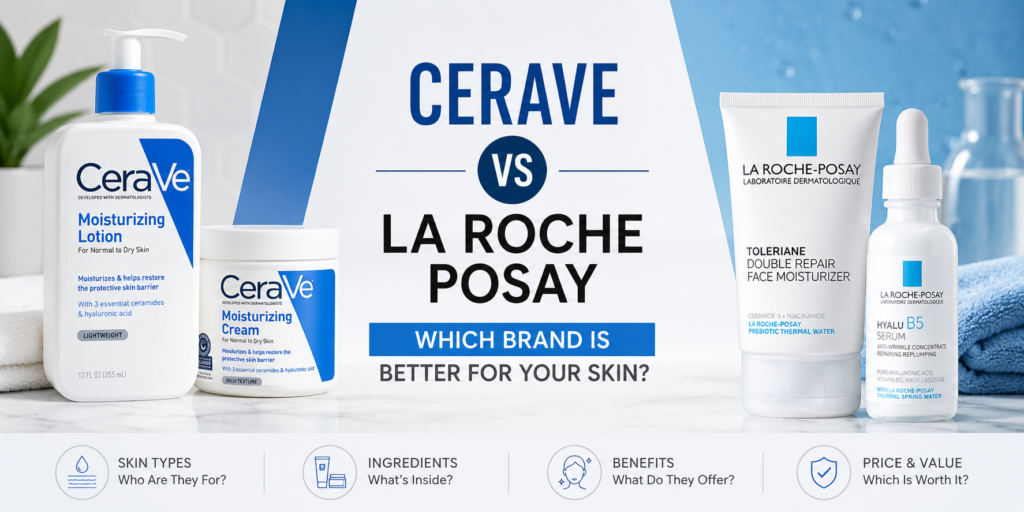
The CeraVe vs La Roche Posay debate is one of the most common questions in skincare — and the answer is more nuanced than most people expect.
These two brands dominate the dermatologist recommendation space in a way that no luxury brand, no celebrity collaboration, and no viral TikTok product has ever managed to displace. They have been the consistent first recommendations for sensitive, acne prone, dry, and barrier-damaged skin for decades. They are available at pharmacies. They are affordable. And the clinical evidence behind their formulations is stronger than brands charging ten times as much.
But here is the question that nobody seems to answer clearly: if your dermatologist recommends both of them and you can only choose one — or if you are trying to decide which brand to build your routine around — which one is actually better for your skin?
The honest answer is that it depends on your skin type and your specific concerns. But understanding exactly how these two brands differ in their philosophy, formulation approach, and product strengths makes choosing between them significantly simpler than most comparison articles make it seem.
This guide goes deeper than a surface-level comparison. It explains why each brand exists, what each one does differently at a formulation level, which specific products from each brand are genuinely worth buying, and exactly which skin types benefit most from each one.
The History Behind Each Brand — Why It Matters
Understanding where each brand came from explains why they formulate differently and why those differences matter for your skin.
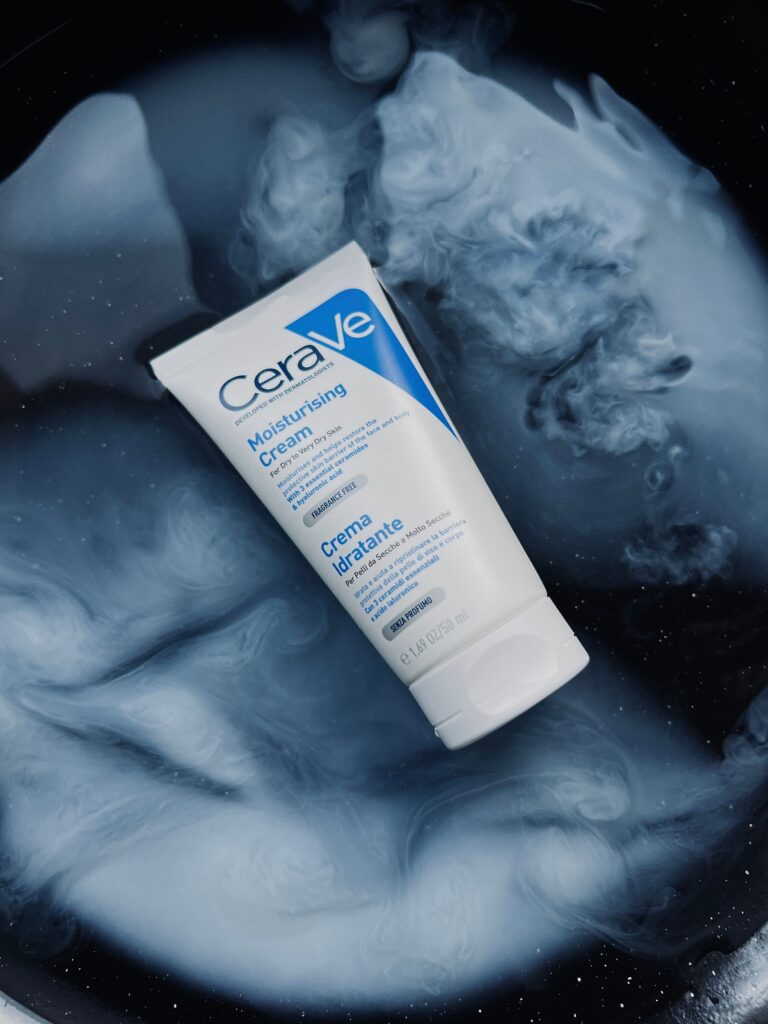
CeraVe was founded in 2005 by a team of dermatologists who had a specific clinical observation: that people with chronic skin conditions including eczema, psoriasis, and dry skin all shared one common underlying issue — a deficiency in ceramides, the lipid molecules that form the mortar holding the skin barrier together. The brand was built around a single core technology: MultiVesicular Emulsion — MVE — a patented delivery system that releases ceramides and other active ingredients gradually into the skin over time rather than all at once on application. Every CeraVe product is formulated around this ceramide-delivery technology and the three specific ceramides — ceramide NP, ceramide AP, and ceramide EOP — that are most depleted in compromised skin.
La Roche-Posay was founded in France in 1975 around a completely different core ingredient: the thermal spring water that flows through the town of La Roche-Posay in the Loire Valley. This water has an unusually high selenium content — selenium is a trace mineral with significant antioxidant and anti-inflammatory properties — and a unique microbiome of beneficial microorganisms. La Roche-Posay’s entire formulation philosophy is built around this thermal spring water as a base ingredient rather than standard water, combined with the brand’s ongoing dermatological partnerships through its La Roche-Posay International Congress of Dermatology sponsorship.
These different foundations produce genuinely different products. CeraVe’s strength is structural barrier repair — rebuilding the lipid architecture of compromised skin from the ground up. La Roche-Posay’s strength is soothing reactive skin and protecting it from environmental damage through antioxidant thermal water and sophisticated active ingredients. Knowing this distinction immediately clarifies which brand to reach for based on what your skin actually needs.
How They Compare on Formulation Philosophy
Beyond the founding stories the two brands have developed distinct formulation philosophies that show up consistently across their product ranges.
CeraVe formulates for essentials. The ingredient lists are relatively short. The textures are functional rather than luxurious. There are no botanicals for the sake of aesthetics, no exotic extracts that sound appealing on marketing materials but contribute minimally to efficacy. Every ingredient in a CeraVe formula exists because it serves a specific function — and the three ceramides plus hyaluronic acid plus MVE delivery system are the foundation of almost every product in the range. This minimalism is a strength — fewer ingredients means fewer potential irritants and a more predictable response from reactive skin.
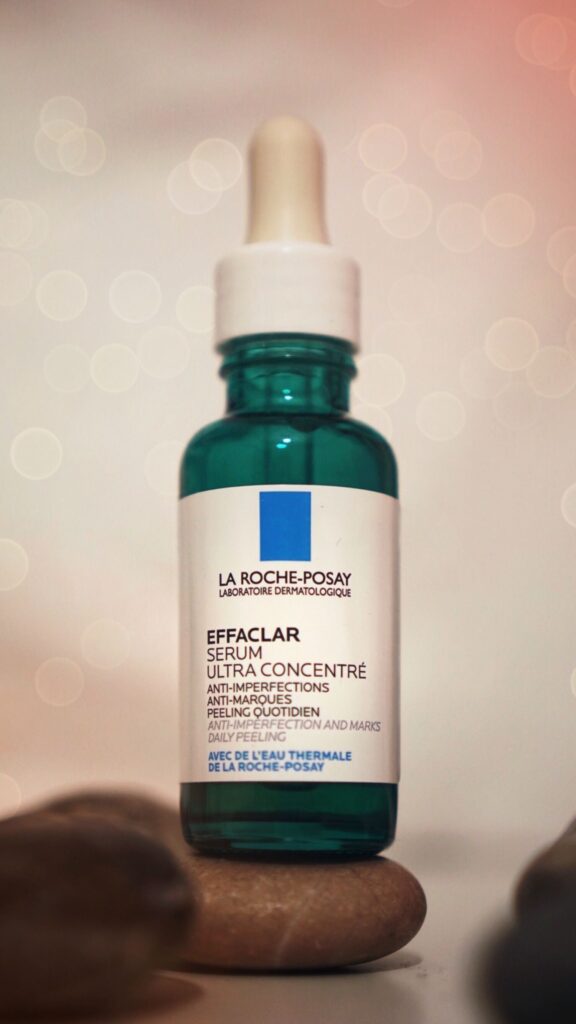
La Roche-Posay formulates for specific skin conditions. Their product ranges are organized around clinical concerns — Effaclar for oily and acne prone skin, Toleriane for sensitive and reactive skin, Anthelios for sun protection, Cicaplast for repair and healing, Lipikar for dry and eczema-prone skin. Each range involves more sophisticated active ingredient combinations than CeraVe — niacinamide, LHA (lipohydroxy acid), glycolic acid, and their patented Anthelios sunscreen filters appear across different product families. The thermal spring water in every formula provides a consistent anti-inflammatory and antioxidant base that raises the baseline performance of even their simplest products.
The practical implication of these different philosophies is this: CeraVe products are more interchangeable — almost any CeraVe moisturizer or cleanser works reasonably well for almost any skin type because the core ceramide-hydration combination is broadly beneficial. La Roche-Posay products are more targeted — the right La Roche-Posay product for your specific concern outperforms any CeraVe product for that concern, but the wrong La Roche-Posay product is less forgiving than a CeraVe equivalent would be.
Price Comparison — The Honest Numbers
Both brands position themselves as affordable dermatologist-recommended skincare — but there is a meaningful price difference between them that matters for routine building.

CeraVe is consistently the more affordable option. The CeraVe Moisturizing Cream — their flagship product and one of the most-sold skincare products in the world — costs approximately $16 to $19 for an 8oz tub. Their cleansers range from $12 to $16. Their serums from $14 to $22. For a complete CeraVe routine of cleanser, moisturizer, and a serum you are spending approximately $40 to $55.
La Roche-Posay sits at a premium compared to CeraVe — not a luxury premium but a meaningful step up. Their Toleriane Hydrating Gentle Cleanser costs approximately $15 to $18. Their moisturizers range from $22 to $38. Their Anthelios sunscreens — the most recommended products in their range — cost $28 to $38. A complete La Roche-Posay routine runs approximately $65 to $90.
For most skin types the performance difference does not fully justify this price gap at the moisturizer and cleanser level — CeraVe basics are excellent at their price point. The gap narrows or disappears entirely at the sunscreen and targeted treatment level where La Roche-Posay’s more sophisticated formulations genuinely outperform what CeraVe offers.
CeraVe — Strengths, Best Products, and Who It Suits
CeraVe’s genuine strengths make it the right first choice for specific skin types and situations.
Where CeraVe genuinely excels:
Barrier repair is CeraVe’s primary strength and the area where they have the most clinical evidence behind their formulations. The combination of three ceramides, cholesterol, and hyaluronic acid in the MVE delivery system is as close to a clinically validated barrier repair formula as any over-the-counter product gets. For skin that is dry, eczema-prone, barrier-damaged from over-exfoliation, or simply in need of reliable daily hydration — CeraVe delivers at a price that makes consistent use financially sustainable.
Simplicity and predictability make CeraVe the safest choice for people who react to skincare. The minimal ingredient lists and absence of fragrance, botanical extracts, and unnecessary additives mean CeraVe products have the lowest irritant potential in the drugstore category. People who have reacted to almost everything else often find CeraVe the one brand they can tolerate consistently.
Value for money is a genuine CeraVe strength — not in the cheap-but-works sense but in the high-quality-at-fair-price sense. The CeraVe Moisturizing Cream delivers formulation quality that rivals products costing three to five times as much. The ceramide technology is genuine — not a marketing claim — and the clinical evidence supporting ceramide supplementation for barrier repair is substantial.
The best CeraVe products worth buying:
The CeraVe Moisturizing Cream is their most important product and one of the most recommended moisturizers by dermatologists globally. Three ceramides, cholesterol, hyaluronic acid, and the MVE delivery system in a rich cream format ideal for dry and barrier-damaged skin. Available at Dermstore.
The CeraVe Foaming Facial Cleanser is the standard recommendation for oily and combination skin — it removes excess oil and sebum effectively while the ceramides in the formula prevent the barrier stripping that most foaming cleansers cause. Available at Dermstore.
The CeraVe Hydrating Facial Cleanser is the equivalent recommendation for dry and sensitive skin — a cream cleanser that cleans without removing any barrier lipids. One of the most tolerable cleansers available for reactive and sensitized skin. Available at Dermstore.
The CeraVe PM Facial Moisturizing Lotion combines ceramides with niacinamide in a lightweight lotion ideal for oily and combination skin in the evening. The niacinamide addition makes this one of the most well-rounded lightweight moisturizers available at any price point. Available at Dermstore.
The CeraVe Resurfacing Retinol Serum pairs retinol with encapsulated retinol technology, ceramides, and niacinamide — making it one of the most intelligently formulated beginner retinol products available because it treats the barrier disruption retinol causes simultaneously with the retinol activity itself. Available at Dermstore.
Who CeraVe suits best:
Dry skin that needs consistent ceramide replenishment. Eczema-prone skin that reacts to most products. Barrier-damaged skin recovering from over-exfoliation or aggressive treatment. Budget-conscious skincare routines that need reliable quality. Complete beginners building their first routine who need predictable, safe products. People who have reacted to multiple other brands and need the simplest possible formulations.
Where CeraVe falls short:
CeraVe sunscreens are serviceable but not impressive. Their SPF formulations are thicker and heavier than what La Roche-Posay offers and leave a more noticeable finish — particularly problematic for deeper skin tones where the white cast is more visible. Their targeted treatment range — serums and specific concern products — is less sophisticated than La Roche-Posay’s equivalent offerings. And for oily skin specifically CeraVe’s acne-focused range is significantly less developed than the La Roche-Posay Effaclar lineup.
La Roche-Posay — Strengths, Best Products, and Who It Suits
La Roche-Posay’s strengths sit in different areas to CeraVe and serve different skin needs more effectively.
Where La Roche-Posay genuinely excels:
Sunscreen formulation is La Roche-Posay’s most significant advantage over CeraVe and arguably over most brands at any price point. The Anthelios range uses patented Mexoryl SX and XL filter technologies that provide unusually stable and comprehensive UVA protection — European UVA protection standards are stricter than US FDA standards and La Roche-Posay formulates to the higher European benchmark. The textures of their SPF products are significantly more cosmetically elegant than CeraVe’s — thinner, faster-absorbing, less likely to leave a cast.
Targeted treatment for specific skin conditions is La Roche-Posay’s second major strength. The Effaclar range for acne and oily skin is one of the most clinically developed acne-focused product families available without a prescription. Effaclar Duo combines benzoyl peroxide with niacinamide and the brand’s own LHA exfoliant in a single product that addresses active acne more comprehensively than any single CeraVe product. The Cicaplast Baume B5 for skin repair and healing has genuine clinical evidence behind its panthenol-based formulation for post-procedure skin recovery. The Toleriane range for sensitive skin goes further than CeraVe’s equivalent in its use of prebiotic ingredients that support the skin microbiome.
The thermal spring water base provides a consistent baseline anti-inflammatory benefit that CeraVe’s water base does not. While this is difficult to quantify as a standalone benefit its effect on how reactive skin responds to La Roche-Posay formulations is something that shows up consistently in real-world use — people with rosacea and chronic sensitivity often report better tolerance of La Roche-Posay products than technically equivalent formulations from other brands.
The best La Roche-Posay products worth buying:
The La Roche-Posay Anthelios Clear Skin SPF 60 is the most recommended sunscreen for oily and acne prone skin by dermatologists in North America. Completely matte finish, genuinely non-comedogenic, absorbs in sixty seconds with no white cast. The best matte SPF available at any drugstore price point. Available at Dermstore.
The La Roche-Posay Toleriane Hydrating Gentle Cleanser is a cream cleanser with prebiotic thermal water that consistently outperforms CeraVe’s equivalent for very sensitive and rosacea-prone skin. The prebiotic addition supports the skin’s microbiome in a way CeraVe cleansers do not. Available at Dermstore.
The La Roche-Posay Toleriane Double Repair Face Moisturizer combines ceramides, niacinamide, and prebiotic thermal water in a formula that suits sensitive and combination skin beautifully. For people whose skin does not fully tolerate CeraVe’s richer cream formulations this lighter but still barrier-supportive formula is often the better fit. Available at Dermstore.
The La Roche-Posay Effaclar Duo is the most comprehensive over-the-counter acne treatment from either brand — combining micro-exfoliation, benzoyl peroxide, and niacinamide in a single product that treats active breakouts while preventing new ones. Available at Dermstore.
The La Roche-Posay Cicaplast Baume B5 is a multi-purpose repair balm that is one of the most genuinely versatile products in either brand’s range. Post-procedure skin recovery, barrier damage repair, dry patches, irritated skin around the nose during illness — it addresses all of these through a panthenol-rich formula that has real clinical evidence behind its healing claims. Available at Dermstore.
The La Roche-Posay Retinol B3 Serum pairs retinol with niacinamide specifically to reduce retinol-induced irritation — an approach that has clinical validation and makes it one of the most beginner-friendly retinol products available. Our guide on retinol for beginners covers how to introduce this correctly. Available at Dermstore.
Who La Roche-Posay suits best:
Oily and acne prone skin that needs more targeted treatment than CeraVe’s generalist range provides. Rosacea-prone and highly reactive skin that benefits from the thermal spring water’s consistent anti-inflammatory properties. Anyone for whom SPF is a daily priority — La Roche-Posay’s Anthelios range is genuinely the best SPF available at the drugstore price point. People dealing with specific clinical skin concerns — post-acne marks, active breakouts, significant sensitivity — rather than generalized dryness or barrier issues. Skin that has tried CeraVe and found it adequate but not quite sufficient for their specific concerns.
Where La Roche-Posay falls short:
The higher price point means a complete La Roche-Posay routine costs significantly more than an equivalent CeraVe routine — which matters when products need to be used generously and consistently to work. Their moisturizers for dry skin — while good — do not match the ceramide density and barrier repair depth of CeraVe’s Moisturizing Cream for genuinely dry and eczema-prone skin. And for people who simply need reliable daily hydration without any specific clinical concern CeraVe delivers that at a meaningfully better price.
Head to Head — Category by Category

Moisturizers:
For dry and very dry skin — CeraVe Moisturizing Cream wins. The ceramide concentration and MVE delivery system produce better barrier repair results than any La Roche-Posay moisturizer at a lower price point.
For sensitive and combination skin — La Roche-Posay Toleriane Double Repair wins. The lighter texture with the prebiotic thermal water base suits skin that finds CeraVe’s richer formulations too heavy.
For oily skin — CeraVe PM Facial Moisturizing Lotion and La Roche-Posay Toleriane Ultra Fluid are comparable. The CeraVe option wins on price.
Cleansers:
For oily skin — CeraVe Foaming Facial Cleanser is marginally better than La Roche-Posay’s equivalent for value. La Roche-Posay Effaclar Purifying Foaming Gel edges ahead for acne prone skin specifically due to the zinc addition.
For dry and sensitive skin — La Roche-Posay Toleriane Hydrating Gentle Cleanser wins for very reactive skin. CeraVe Hydrating Facial Cleanser wins on value for dry skin without significant sensitivity.
Sunscreen:
La Roche-Posay wins this category comprehensively and it is not close. The Anthelios range uses more advanced filter technology, produces more elegant textures, and provides better UVA protection than anything in CeraVe’s sunscreen lineup. If you only buy one product from La Roche-Posay make it a sunscreen.
Acne treatment:
La Roche-Posay wins with the Effaclar range. CeraVe has no equivalent to the Effaclar Duo or the Effaclar Purifying Clay Mask for targeted acne treatment.
Barrier repair:
CeraVe wins with the Moisturizing Cream. The ceramide concentration and delivery technology are specifically engineered for barrier repair in a way that La Roche-Posay’s equivalent products do not match.
Retinol:
La Roche-Posay Retinol B3 Serum edges CeraVe Resurfacing Retinol Serum for beginners due to the more sophisticated niacinamide-retinol pairing that has direct clinical evidence for reducing retinol irritation.
Can You Mix Products From Both Brands?
Yes — and this is actually the approach that many dermatologists recommend. The two brands complement each other’s weaknesses perfectly.
The most effective combination routine for most skin types uses CeraVe for cleansing and moisturizing — where their ceramide-based formulations provide the best barrier support at the most accessible price — and La Roche-Posay for sunscreen and targeted treatments — where their more sophisticated formulations genuinely outperform what CeraVe offers.
A practical mixed routine for combination to oily skin looks like this.
Morning — CeraVe Foaming Facial Cleanser to remove overnight sebum without stripping. The Ordinary Niacinamide serum for sebum regulation. CeraVe PM Facial Moisturizing Lotion as a lightweight hydrating seal. La Roche-Posay Anthelios Clear Skin SPF 60 as the final protective layer.
Evening — CeraVe Foaming Facial Cleanser for the second cleanse. La Roche-Posay Effaclar Duo for active acne treatment on breakout-prone areas. CeraVe PM Facial Moisturizing Lotion to seal.
This combined routine uses each brand where it genuinely performs best — CeraVe for affordable high-quality cleansing and daily moisturizing, La Roche-Posay for the SPF and acne treatment where their formulation investment is most clearly visible in results.
If you want to know exactly which products from each brand are right for your specific skin type and concerns the free AI skin analysis at yourskingpt.com/skin-analysis analyzes your actual skin and recommends specific products matched to your individual skin. Free in fifteen seconds with no account required.
You might also find our complete guides on how to repair skin barrier and best sunscreen for face acne prone skin useful for understanding exactly where each brand fits into your complete routine.
The Verdict — Which Brand Should You Choose?
After everything above the honest recommendation breaks down clearly by skin type and priority.

Choose CeraVe if:
Your primary concern is dry skin, eczema, or barrier repair. You are building your first routine and need reliable affordable basics. You react to most skincare products and need the simplest possible formulations. Your budget is limited and you need the best quality at the lowest price. You are recovering from barrier damage and need ceramide-focused repair products.
Choose La Roche-Posay if:
SPF is a daily priority and you want the best available drugstore sunscreen. You have acne prone or oily skin that needs more targeted treatment than CeraVe provides. You have rosacea or highly reactive skin that benefits from the thermal spring water base. You have specific clinical concerns — post-acne marks, active breakouts, significant photodamage — that need more sophisticated active ingredients than CeraVe offers.
Choose both if:
You want to build the most effective possible routine at a reasonable price point. Use CeraVe for cleansing and daily moisturizing. Use La Roche-Posay for SPF and any targeted treatments. This combination covers every aspect of a complete skincare routine with the best available product at each step.
The reality is that arguing about which brand is better overall is a bit like arguing about which tool is better — a hammer or a screwdriver. They do different things well. The person who understands what each one does and uses both appropriately gets better results than the person who picks one and uses it for everything.
Frequently Asked Questions
Is CeraVe or La Roche-Posay better for sensitive skin?
Both are excellent for sensitive skin but they address sensitivity differently. CeraVe’s minimal ingredient lists and high ceramide content make them the safer choice for skin that reacts to multiple ingredients. La Roche-Posay’s thermal spring water and prebiotic formulations make them better for skin with chronic redness, rosacea, or reactivity that has an inflammatory component rather than just a barrier-compromise component. Try CeraVe first — if it does not fully address your sensitivity La Roche-Posay Toleriane is the natural next step.
Are CeraVe and La Roche-Posay owned by the same company?
Yes — both brands are owned by L’Oréal. CeraVe was acquired by L’Oréal in 2017. La Roche-Posay has been part of L’Oréal’s Active Cosmetics division since 1989. Despite shared ownership they operate with distinct formulation teams and distinct brand philosophies — the products genuinely differ in ways that reflect their independent clinical development histories.
Is CeraVe good for acne?
CeraVe is good for the barrier maintenance aspect of acne-prone skin management but is not a strong acne treatment brand. The CeraVe Foaming Facial Cleanser and PM Moisturizing Lotion are excellent supporting products for acne prone skin. For active acne treatment La Roche-Posay Effaclar products or dedicated acne treatments from other brands are more effective than anything CeraVe currently offers in their acne-specific range.
Which brand do dermatologists recommend more?
Both are recommended extremely frequently by dermatologists — it would be misleading to claim one is significantly more recommended than the other. CeraVe tends to come up more for dry skin and eczema recommendations. La Roche-Posay tends to come up more for acne, rosacea, and sunscreen recommendations. The pattern aligns with the genuine product strengths of each brand.
Is La Roche-Posay worth the extra cost over CeraVe?
It depends on which product you are comparing. For moisturizers and cleansers — CeraVe provides comparable or better performance at a lower price for most skin types. For sunscreen — La Roche-Posay Anthelios is worth every extra dollar over CeraVe’s SPF options. For acne treatment — La Roche-Posay Effaclar is worth the premium over CeraVe’s more basic acne range. Buy CeraVe where both brands are comparable. Invest in La Roche-Posay where their formulation superiority is clear.
The Bottom Line
CeraVe and La Roche-Posay are both genuinely excellent brands that deserve their reputation for clinical efficacy and dermatologist trust. The question of which one is better for your skin is less useful than understanding what each one does well and building a routine that uses each brand where its strengths are most relevant to your skin.
CeraVe wins on value, simplicity, barrier repair, and accessibility. La Roche-Posay wins on sunscreen formulation, targeted acne treatment, and sophisticated active ingredients for specific clinical concerns.
Most people’s ideal routine contains products from both brands. Most people’s budget constraints mean starting with one — and for complete beginners building their first routine CeraVe’s lower price point and reliable formulations make it the right starting brand before adding La Roche-Posay products strategically where they genuinely add value.
The free AI skin analysis at yourskingpt.com/skin-analysis tells you exactly which products from both brands are right for your individual skin — analyzing your actual skin rather than making generic recommendations. Free in fifteen seconds with no account required.
This article is for informational purposes only and does not constitute medical advice. Always consult a qualified dermatologist for persistent skin concerns or conditions.