
There is a reason vitamin C serum sits on the bathroom shelf of virtually every dermatologist, aesthetician, and skincare obsessive on the planet.
It is not hype. It is not a passing trend. Vitamin C has been studied in dermatology since the 1980s and the research keeps getting stronger. Of all the antioxidants available in skincare today, it remains the most well-documented, most versatile, and most consistently effective — when used correctly.
That last part matters. Because vitamin C serum is also one of the most misused products in skincare. People buy the wrong form, store it incorrectly, apply it at the wrong time, or pair it with ingredients that neutralize its effects entirely. Then they conclude vitamin C does not work for them — when the real problem was never the ingredient itself.
This guide is for beginners who want to start using vitamin C serum properly from day one. No confusion, no wasted money, no disappointing results.
What Is Vitamin C and Why Does Skin Need It?
Vitamin C — scientifically known as ascorbic acid — is an essential nutrient that your body cannot produce on its own. You have to get it from food or apply it directly to the skin. In skincare, topical vitamin C works differently to the vitamin C you eat because it bypasses the digestive system and delivers its benefits directly where you need them — in the skin cells themselves.
Your skin naturally contains vitamin C — it is concentrated in both the dermis and the epidermis where it performs several critical functions. It stimulates collagen synthesis. It neutralizes free radicals from UV radiation and pollution. It inhibits the enzyme tyrosinase which controls melanin production. And it regenerates vitamin E — another important antioxidant — after it has been depleted by sun exposure.
The problem is that your skin’s natural vitamin C levels deplete rapidly. UV radiation, pollution, smoking, and even just the normal process of ageing drain your skin’s vitamin C stores faster than diet alone can replace them. According to research published on PubMed, UV exposure alone can reduce skin vitamin C levels by 30% within an hour of sun exposure.
Applying topical vitamin C serum replenishes these depleted stores directly in the skin — which is why it consistently produces visible improvements that dietary vitamin C alone cannot match.
The Real Benefits of Vitamin C Serum for Skin
Here is what the science actually shows — separated from the marketing claims.
Brightens dull skin
This is the benefit most people notice first and fastest. Vitamin C inhibits tyrosinase — the enzyme responsible for melanin production. By slowing melanin production it visibly brightens overall skin tone, fades existing dark spots, and gives skin a luminous quality that is often described as a glow.

This is not a cosmetic illusion. According to the American Academy of Dermatology, topical vitamin C is one of the few over-the-counter ingredients with genuine clinical evidence for improving uneven skin tone and radiance.
Fades dark spots and hyperpigmentation
Post-acne marks, sun spots, melasma, and the general uneven pigmentation that comes with ageing all respond to consistent vitamin C use. The tyrosinase inhibition that brightens overall tone also specifically targets concentrated areas of pigmentation — gradually lightening dark spots with continued use.
Results take time — typically 8 to 12 weeks of daily use — but they are genuine and measurable.
Stimulates collagen production
This is the anti-ageing benefit that makes vitamin C genuinely different from most skincare ingredients. Vitamin C is an essential cofactor in the synthesis of collagen — the structural protein that keeps skin firm, plump, and youthful. Without adequate vitamin C, collagen synthesis cannot occur properly.
As natural collagen production declines with age, maintaining sufficient vitamin C levels in the skin directly supports the skin’s ability to continue producing collagen. A study referenced on Healthline found that regular topical vitamin C application measurably increased skin collagen density over a 12-week period.
Protects against environmental damage
Vitamin C is one of the most potent antioxidants available in skincare. Free radicals — unstable molecules generated by UV radiation, pollution, smoking, and even metabolic processes — attack collagen and DNA in skin cells, accelerating ageing and contributing to uneven tone and dullness.

Vitamin C neutralizes these free radicals before they can cause damage. This is why applying vitamin C serum in the morning — before sun exposure — is the standard recommendation. It creates a layer of antioxidant protection that works alongside your SPF rather than replacing it.
Reduces inflammation
Vitamin C has documented anti-inflammatory properties that reduce redness and calm reactive skin. For acne prone skin specifically it helps reduce the inflammation around active breakouts while simultaneously fading the dark marks they leave behind.
Understanding the Different Forms of Vitamin C
This is where most beginners go wrong — and where most of the confusion about vitamin C serum comes from.
Vitamin C in skincare is not one single ingredient. It exists in multiple forms — some far more effective than others, some more stable, some more suited to sensitive skin. Understanding the difference saves you from wasting money on a form that barely works.
L-Ascorbic Acid
This is the pure, active form of vitamin C and the most well-researched. When a clinical study demonstrates vitamin C benefits for skin, it is almost always using L-ascorbic acid. At concentrations between 10% and 20% it delivers the full range of benefits described above.

The downside is instability. L-ascorbic acid oxidizes when exposed to light and air — the formula turns orange then brown as it degrades. Once oxidized it not only loses efficacy but can actually cause more free radical damage than it prevents. Proper storage in an opaque, airtight container is essential.
L-ascorbic acid also has a low pH — around 2.5 to 3.5 — which can cause tingling, temporary redness, and irritation on sensitive skin. It is the most effective form but not always the most tolerable.
Ascorbyl Glucoside
A stabilized form of vitamin C that converts to L-ascorbic acid in the skin. More stable than pure ascorbic acid, less irritating, and works well in water-based formulas. Slightly less potent than L-ascorbic acid but significantly more suitable for beginners and sensitive skin. This is the form found in many entry-level vitamin C products.
Sodium Ascorbyl Phosphate
Another stable derivative that converts to active vitamin C in skin. Particularly well-suited to acne prone skin — studies have found sodium ascorbyl phosphate has specific antibacterial properties against P. acnes bacteria alongside its standard vitamin C benefits.
Ascorbyl Tetraisopalmitate
An oil-soluble vitamin C derivative that penetrates skin more deeply than water-soluble forms. Extremely stable, extremely well tolerated, and works synergistically with other oil-soluble antioxidants like vitamin E. More expensive than other forms but excellent for dry and mature skin.
Magnesium Ascorbyl Phosphate
One of the most stable and gentle vitamin C derivatives available. Works well at lower concentrations which makes it suitable for very sensitive or reactive skin. Good option for people who have reacted to L-ascorbic acid formulas.
For beginners — which form to start with:
If your skin is oily, combination, or normal and not particularly sensitive — start with L-ascorbic acid at 10% to 15%. This is the most effective form and at these concentrations it is tolerable for most non-sensitive skin types.
If your skin is sensitive, reactive, or you have rosacea — start with ascorbyl glucoside or magnesium ascorbyl phosphate. You will get genuine benefits with significantly lower risk of irritation.
How to Use Vitamin C Serum Correctly
The application method matters as much as the product you choose. Here is the correct technique.
Always apply in the morning
Vitamin C serum is a morning ingredient. Its antioxidant properties are most valuable when applied before UV and pollution exposure — it creates a protective layer that works alongside your SPF. Applying it at night is not harmful but it wastes the ingredient’s primary strength.
Apply to clean skin
Wash your face first. Any residue from overnight moisturizer or other products sitting on your skin will dilute the vitamin C and prevent proper absorption. Pat dry and apply the serum within 30 seconds while skin is still very slightly damp.
Use the correct amount
Three to four drops is enough for the entire face. Vitamin C is a potent active — using more does not produce better results and wastes product. Warm the drops between your fingers and press gently into your skin rather than rubbing.
Wait before layering
Give vitamin C 30 seconds to one minute to absorb before applying your next product. This is particularly important if you are following with niacinamide — giving each product a brief moment to absorb prevents any potential interaction.
Always follow with SPF
This is non-negotiable. Vitamin C enhances the effectiveness of your sunscreen but it does not replace it. Apply SPF as your absolute last step every single morning. Skipping SPF after applying vitamin C wastes half the benefit of the ingredient.
Start slowly
If you are introducing vitamin C for the first time, use it every other morning for the first two weeks. This allows your skin to adjust to the low pH without the irritation that daily use can sometimes cause in the beginning. After two weeks with no issues, move to daily use.
What to Pair With Vitamin C Serum
Vitamin C plays well with most ingredients but certain pairings are particularly powerful.
Vitamin C + Vitamin E
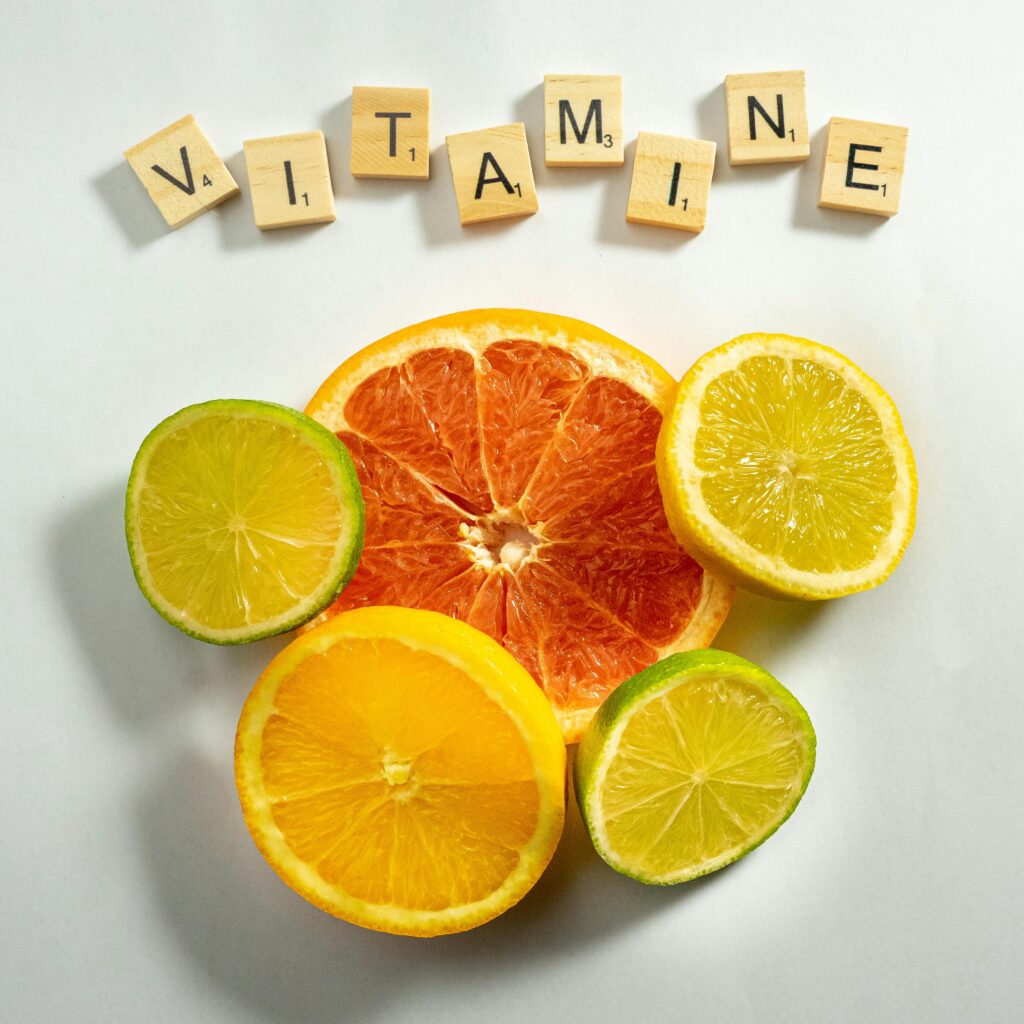
This is one of the most well-established combinations in skincare science. A study published on PubMed found that combining vitamin C and vitamin E produced synergistic antioxidant protection significantly greater than either ingredient alone. Vitamin C regenerates vitamin E after it has neutralized a free radical — meaning they continuously refresh each other’s antioxidant capacity. Look for products that contain both — or layer a vitamin E moisturizer over your vitamin C serum.
Vitamin C + Ferulic Acid
Ferulic acid stabilizes vitamin C and doubles its photoprotective efficacy. The combination of 15% L-ascorbic acid, 1% vitamin E, and 0.5% ferulic acid is considered the gold standard in vitamin C formulation — it is the basis of several premium serums and has the strongest clinical backing of any vitamin C combination.
Vitamin C + SPF
As mentioned above — the combination of topical vitamin C and broad spectrum SPF provides significantly stronger protection against photoageing than either alone. This pairing is the single most evidence-backed strategy for preventing sun-related skin damage available over the counter.
Vitamin C + Hyaluronic Acid
A practical and effective combination for most skin types. The hyaluronic acid provides surface hydration and helps the low-pH vitamin C formula feel more comfortable on skin. Many vitamin C serums already include hyaluronic acid in the formula for this reason.
What NOT to pair with vitamin C:
Vitamin C and AHA or BHA acids should not be used simultaneously in the same routine step. Both are low pH and combining them can overwhelm the skin barrier and cause irritation. Use vitamin C in the morning and your acids in the evening.
Vitamin C and benzoyl peroxide should not be used together. Benzoyl peroxide oxidizes vitamin C and renders it completely ineffective. If you use benzoyl peroxide in your acne routine, apply vitamin C in the morning and benzoyl peroxide at night only.
The Best Vitamin C Serums for Beginners
These products are selected based on formulation quality, stability, clinical evidence, beginner suitability, and real-world performance.
Timeless Skin Care 20% Vitamin C + E Ferulic Acid Serum
The closest drugstore equivalent to the luxury gold-standard formulation — L-ascorbic acid at 20%, combined with vitamin E and ferulic acid for maximum stability and efficacy. At under $25 for a 1oz bottle it delivers premium formulation quality at an accessible price. The formula can cause slight tingling on first use — completely normal and usually resolves within the first week. Available at Dermstore.
TruSkin Vitamin C Serum
One of the most consistently recommended beginner vitamin C serums globally. It uses a blend of L-ascorbic acid with hyaluronic acid and vitamin E in a lightweight, fast-absorbing formula. Slightly lower concentration than the Timeless formula which makes it more suitable for sensitive skin beginners. Available at Sephora.
The Ordinary Ascorbyl Glucoside Solution 12%
The best option for beginners with sensitive skin who want to start with a more stable, more gentle vitamin C derivative. Ascorbyl glucoside is significantly less likely to cause irritation than L-ascorbic acid while still delivering genuine brightening and antioxidant benefits. Under $15 and available at Sephora.
Paula’s Choice C15 Super Booster
A 15% L-ascorbic acid formula with vitamin E and ferulic acid — essentially the gold standard combination in a carefully stabilized formula designed by one of the most rigorous skincare formulators available. More expensive than the Timeless equivalent but the stability and skin feel are noticeably superior for people who find the Timeless formula too sticky. Available at paulaschoice.com.
La Roche-Posay Pure Vitamin C Face Serum
The best option for sensitive or reactive skin that still wants L-ascorbic acid rather than a derivative. La Roche-Posay’s formula uses a uniquely stable encapsulated delivery system that reduces irritation while maintaining efficacy. The addition of salicylic acid makes it particularly useful for combination skin with both brightening and mild exfoliation needs. Available at Dermstore.
SkinCeuticals C E Ferulic
The original gold standard vitamin C serum and still the benchmark against which every other vitamin C product is measured. Patented formula of 15% L-ascorbic acid, 1% vitamin E, and 0.5% ferulic acid with decades of clinical research behind it. At $182 for 1oz it is significantly more expensive than every other option on this list — but for mature skin dealing with significant sun damage or hyperpigmentation the clinical results genuinely justify the investment. Available at Dermstore.
How to Store Vitamin C Serum
Storage makes the difference between a vitamin C serum that works and one that degrades before you finish the bottle.
Keep it away from direct sunlight. UV light degrades vitamin C rapidly — never leave your serum on a sunny windowsill or in direct light.
Store it at cool temperatures. Heat accelerates oxidation. A cool bathroom cabinet or even the refrigerator extends the life of your serum significantly. Many people who use premium vitamin C serums keep them in the fridge specifically to slow oxidation.
Check the color. Fresh L-ascorbic acid serums are clear to very slightly yellow. A light yellow tint is fine. Orange is borderline. Brown means the formula has oxidized and should be replaced — using oxidized vitamin C is worse than using none at all.
Seal it properly after every use. Minimize the time the formula is exposed to air. Some premium formulas use airless pump dispensers specifically to reduce oxidation — these are worth the premium if you are buying an expensive formula.
A standard 1oz bottle used daily should last approximately one month. Do not stockpile vitamin C serums for future use — buy one at a time and use it fresh.
Building a Morning Routine Around Vitamin C
A vitamin C serum works best as part of a complete morning routine rather than as a standalone product. Here is how to build one that maximizes its benefits.
Cleanser — start with a gentle cleanser appropriate for your skin type. Foam or gel for oily and combination skin. Cream or milk cleanser for dry and sensitive skin. The CeraVe Foaming Facial Cleanser works well for most skin types and is available at Dermstore.
Toner — optional but beneficial. A hydrating toner adds a layer of moisture that makes the vitamin C serum more comfortable to apply and helps with absorption.
Vitamin C serum — three to four drops pressed gently into clean skin. Wait 60 seconds.
Moisturizer — seal in the vitamin C and provide the hydration layer your skin needs throughout the day. For oily skin a lightweight gel moisturizer. For dry skin a ceramide-based cream.
SPF — the most important step and the one that amplifies everything vitamin C does. A mineral SPF 30 minimum every morning without exception.
This five-step morning routine — cleanser, toner, vitamin C, moisturizer, SPF — is the foundation that dermatologists recommend most consistently for healthy, protected, and gradually brightening skin.
If you are not sure which vitamin C serum or which routine is right for your specific skin type and concerns, try the free AI skin analysis at yourskingpt.com/skin-analysis. It analyzes your actual skin from a photo, combines it with your lifestyle and concerns, and builds you a complete personalized morning and evening routine in 15 seconds — completely free with no account required.
You might also find our complete guides on niacinamide benefits for skin and hyaluronic acid vs niacinamide helpful for building a complete serum routine around your vitamin C.
Frequently Asked Questions
Can I use vitamin C serum every day? Yes — daily use in the morning is the standard recommendation and produces the best results. If you are new to vitamin C start every other day for two weeks to allow your skin to adjust, then move to daily use.
How long before vitamin C serum shows results? Brightening effects — improved radiance and slight evening of skin tone — are often noticeable within two to four weeks. Significant fading of dark spots and hyperpigmentation takes eight to twelve weeks of consistent daily use. Collagen-related anti-ageing benefits take three to six months to become measurable.
Can I use vitamin C with retinol? Yes — but not at the same time. Use vitamin C in the morning and retinol in the evening. Both are powerful actives and separating them by time of day prevents potential irritation while maximizing the benefits of each.
Why does my vitamin C serum sting? Mild tingling on application is normal with L-ascorbic acid formulas due to the low pH. It should subside within 60 seconds. Persistent burning or redness indicates the formula may be too strong for your skin — switch to a lower concentration or a gentler derivative like ascorbyl glucoside.
Is expensive vitamin C serum worth it? For L-ascorbic acid formulas the formulation matters significantly — stability, pH, and the presence of synergistic ingredients like ferulic acid determine whether the vitamin C remains active long enough to work. The Timeless serum at $25 provides most of the benefits of the SkinCeuticals formula at $182. For derivative forms like ascorbyl glucoside the difference between price points is less significant.
Can vitamin C remove dark spots completely? Vitamin C significantly fades dark spots and with consistent long-term use can eliminate lighter ones completely. Deep or longstanding hyperpigmentation may require additional treatments like chemical exfoliation or professional procedures alongside vitamin C use. Consult a dermatologist for severe hyperpigmentation concerns.
The Bottom Line
Vitamin C serum is one of the most worthwhile additions to any skincare routine — for any skin type, any age, and any primary concern. Whether your goal is brightening, anti-ageing, hyperpigmentation treatment, or simply maintaining healthy skin long-term, the evidence for topical vitamin C is stronger than almost any other over-the-counter skincare ingredient.
The key to getting results is choosing the right form for your skin type, applying it correctly in the morning before SPF, storing it properly, and giving it enough time to work.
Start with the Timeless or TruSkin serum if you want an effective and affordable entry point. Move to the Paula’s Choice or La Roche-Posay formula if you want more refinement. Invest in SkinCeuticals if you want the clinical gold standard and are dealing with significant sun damage or ageing concerns.
And if you want to know exactly which vitamin C serum is right for your specific skin — rather than making an educated guess — try the free AI skin analysis at yourskingpt.com/skin-analysis. Upload a selfie, answer five quick questions, and get a complete personalized routine built around your actual skin in 15 seconds.
This article is for informational purposes only and does not constitute medical advice. Always consult a qualified dermatologist for persistent skin concerns or before making significant changes to your skincare routine.