
Something strange happens to a lot of skincare enthusiasts at a certain point in their journey.
They have built what looks like a solid routine. They are using a vitamin C serum in the morning. They are exfoliating three times a week. They added retinol. They read every ingredient label. They genuinely care about their skin and put real effort into it.
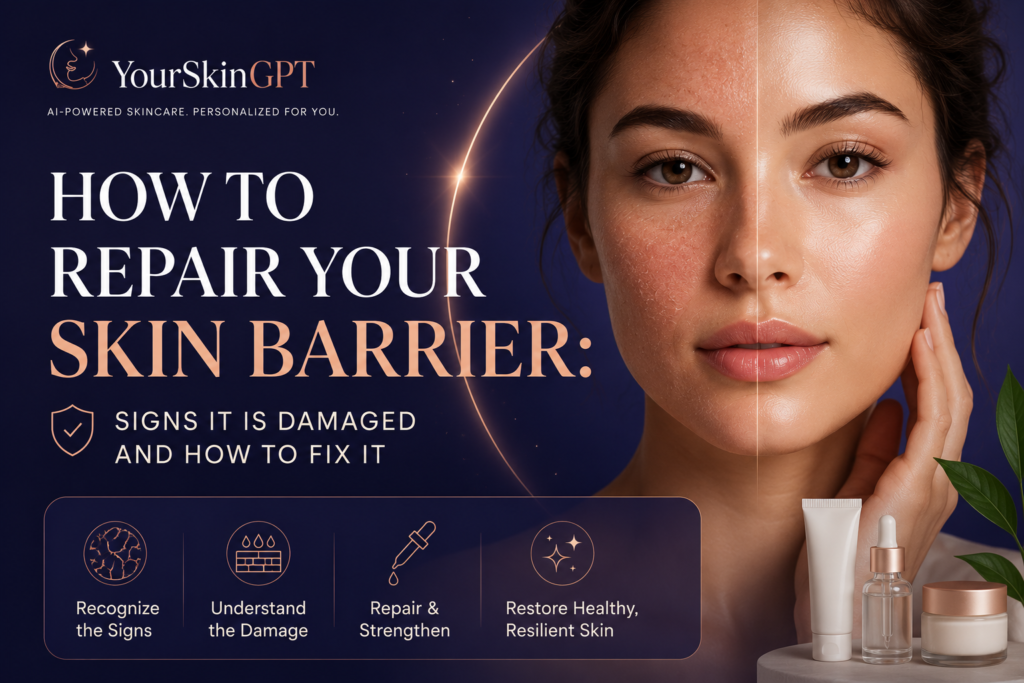
And then their skin starts getting worse.
Not dramatically worse. But worse in a way that is confusing and demoralizing — it feels tight constantly even right after moisturizing. It stings when they apply products that never used to sting. Small bumps appear that are not quite acne. The complexion looks red and irritated rather than glowing. Every new product seems to cause a reaction. The skin that was supposed to be improving just looks angry all the time.
This is not bad luck. This is not difficult skin. This is a damaged skin barrier — and if you are searching for how to repair your skin barrier damage, you are in the right place. It is almost always caused by the very skincare routine that was supposed to be helping.
Understanding what the skin barrier is, recognizing when it is damaged, and knowing how to repair it is one of the most important things you can learn about skincare. Because no serum, no treatment, no product works properly on a compromised barrier. Repairing it is not just one step in a routine. It is the foundation that everything else depends on.
What Is the Skin Barrier and Why Does It Matter?
Your skin barrier — technically called the stratum corneum — is the outermost layer of your skin. It is approximately fifteen to twenty layers of flattened, dead skin cells arranged in a structure that dermatologists often describe using the brick and mortar analogy. The skin cells are the bricks. The lipids surrounding them — primarily ceramides, cholesterol, and free fatty acids — are the mortar.

This structure serves two simultaneous functions that are both essential to healthy skin. It keeps moisture inside the skin — preventing the water loss that leads to dehydration, tightness, and the dull, deflated look of dry skin. And it keeps irritants outside — blocking environmental pollutants, bacteria, allergens, and the skincare ingredients that should stay on the surface from penetrating into the deeper layers of skin where they cause inflammation.
When the barrier is functioning correctly, skin looks and feels the way healthy skin should. It holds moisture. It feels comfortable. It tolerates products without reacting. It has a natural glow that no product can fully replicate because it comes from skin that is genuinely well-functioning rather than simply hydrated on the surface.
When the barrier is damaged that mortar between the bricks breaks down. The tight junctions between cells become loose. Water escapes freely — a process called transepidermal water loss or TEWL. Irritants that would normally be blocked penetrate into the skin and trigger inflammatory responses. The skin becomes reactive, sensitized, and unable to tolerate the products and environment it handled without issue before.
According to research published on PubMed, elevated transepidermal water loss is directly associated with skin barrier compromise and correlates strongly with the sensitivity, reactivity, and dehydration symptoms that characterize damaged barrier skin.
What Causes Skin Barrier Damage?
Skin barrier damage rarely happens from a single cause. It is usually the accumulation of several factors over weeks or months — which is why it can be difficult to identify and why people often do not realize it is happening until the symptoms become obvious.
Over-exfoliation
This is the most common cause of skin barrier damage in the skincare enthusiast community — and the most counterintuitive because exfoliation is genuinely beneficial when done correctly.
Chemical exfoliants work by dissolving the lipid bonds that hold dead cells to the skin surface. Used two to three times per week this accelerates the natural shedding process, improves texture, and enhances the penetration of subsequent products. Used daily or too frequently it dissolves not just the dead cell bonds but the structural lipids in the barrier itself — the ceramides and fatty acids that hold the whole structure together.
The result of chronic over-exfoliation is a barrier that is progressively thinner and more compromised with each application. Many people respond to the increasing sensitivity by exfoliating less on some days and more on others — creating an inconsistent assault on a barrier that never gets enough consecutive days to recover.
Harsh or wrong pH cleansers
Your skin surface is naturally slightly acidic — a pH of around 4.5 to 5.5. This acidity is not incidental. The acid mantle — the slightly acidic surface environment — is essential for the enzymes that manage barrier function to work properly and for the skin’s natural microbiome to remain balanced.
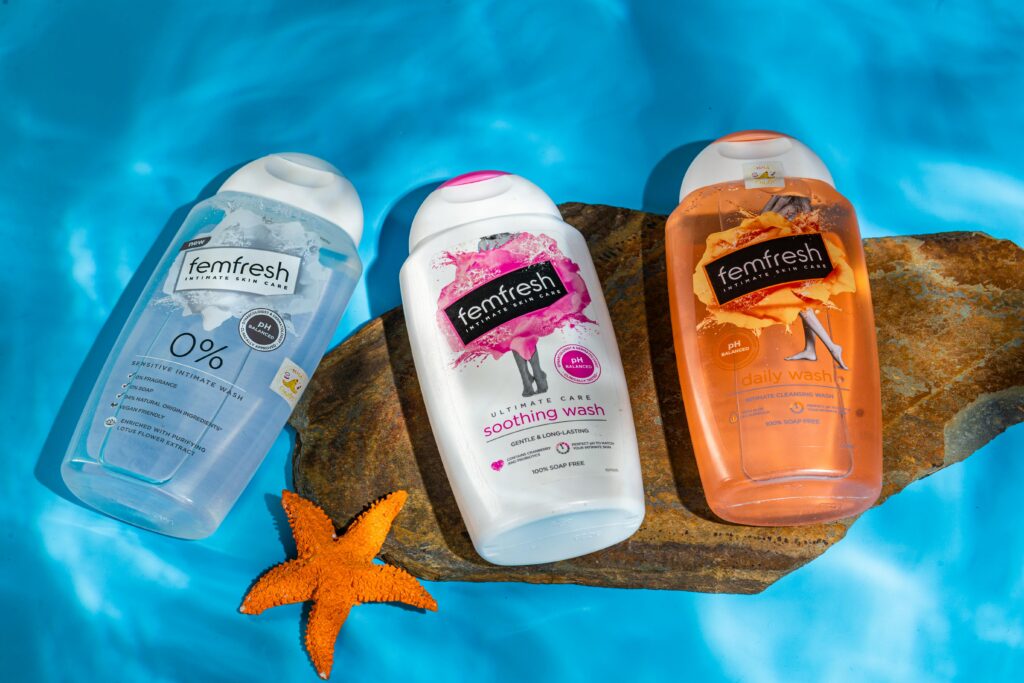
High-pH cleansers — most traditional bar soaps have a pH of 9 to 11 — disrupt the acid mantle with every use. The skin can recover from occasional disruption. Daily use of a high-pH cleanser progressively alkalizes the surface, interferes with barrier enzyme function, and contributes directly to the kind of chronic low-level barrier compromise that manifests as persistent sensitivity and reactivity.
Even cleansers marketed as gentle can be high-pH. The only way to know is to check the formula or use a pH testing strip on the product.
Retinol used too aggressively
Retinol is one of the most effective skincare ingredients available — but it accelerates cell turnover at a rate that can outpace the barrier’s ability to rebuild if introduced too quickly or used too frequently before tolerance is established.
The flaking and redness associated with early retinol use are symptoms of temporary barrier disruption. For most people this resolves as tolerance builds. For people who push through too aggressively — increasing concentration too quickly, using it daily before their skin has adapted, or combining it with other strong actives on the same nights — the barrier damage accumulates rather than resolves.
Environmental factors
Cold, dry weather dramatically accelerates transepidermal water loss. Indoor heating removes moisture from the air and from the skin surface simultaneously. Wind strips the surface of the natural sebum that provides a physical barrier. UV radiation damages skin cells and depletes the antioxidants that protect barrier integrity.
None of these factors alone typically causes significant barrier damage in otherwise healthy skin. Combined with an aggressive skincare routine or in people whose barrier is already compromised they can push skin into a damaged state that is difficult to recover from without specific intervention.
Certain skin conditions
Eczema, psoriasis, and rosacea all involve structural barrier compromise as part of their pathology. People with these conditions have genetically thinner or more permeable barriers that require more careful management than standard skincare advice accounts for. If you have any of these conditions and your barrier symptoms are severe or persistent, a dermatologist consultation is essential rather than optional.
Signs Your Skin Barrier Is Damaged
The symptoms of barrier damage are specific enough that once you know what to look for you can identify them clearly. The challenge is that they overlap with symptoms of other skin conditions — which is why barrier damage is frequently misdiagnosed as rosacea, eczema, or simply sensitive skin when the actual cause is routine-induced barrier compromise.
Persistent tightness that does not resolve with moisturizer is one of the clearest signs. Healthy skin feels comfortable after moisturizing. Barrier-damaged skin feels tight almost immediately after moisturizer is applied because the damaged barrier cannot retain the hydration being delivered.
Stinging or burning from products that previously caused no reaction is a significant indicator. When the barrier is intact, products stay on the surface where they are supposed to be. When it is compromised, ingredients penetrate into the living layers of skin where they trigger inflammatory and sensory responses they are not supposed to reach.
Redness and blotchiness that has developed without an obvious cause — no new product, no sun exposure, no allergic reaction — is often barrier damage expressed as low-level chronic inflammation. The compromised barrier allows environmental irritants to penetrate continuously, keeping the immune response at a low but persistent level of activation.
Skin that reacts to products it has always tolerated is perhaps the most telling sign. Your niacinamide serum that you have used for six months suddenly stings. Your gentle cleanser suddenly feels harsh. This is not the products changing. It is the barrier changing — becoming permeable enough that the same products now reach layers they never reached before.
Increased breakouts in someone who does not typically break out — or worsening breakouts in someone with acne prone skin — can indicate barrier damage because a compromised barrier allows external bacteria and irritants to penetrate more easily while simultaneously triggering the inflammatory response that drives acne.
Rough, sandpaper-like texture that develops even when you are exfoliating regularly is paradoxical but common in over-exfoliation barrier damage. The barrier’s disrupted lipid structure creates an uneven surface that feels rough despite the absence of dead cell buildup.
How to Repair Your Skin Barrier: The Step by Step Approach
Repairing a damaged skin barrier requires doing significantly less than most people think — and doing it consistently for longer than most people want to.
Step 1 — Stop everything
This is the hardest step for skincare enthusiasts and the most important one.
For the first two weeks strip your routine completely back to three products: a gentle pH-balanced cleanser, a ceramide-rich moisturizer, and SPF in the morning. Nothing else. No vitamin C. No niacinamide. No exfoliants. No retinol. No toners with active ingredients. No essence with ferments or acids.
This feels like going backwards. It is not. It is giving your barrier the uninterrupted recovery time it cannot get when you are continuously applying actives on top of damaged skin. Every time you apply an exfoliant or retinol to a compromised barrier you are demanding cellular work from a structure that is trying to repair itself — like painting a wall that is still wet.
Two weeks of the stripped-back routine allows the barrier to begin the lipid synthesis that repairs the mortar between skin cells. The tightness starts to reduce. The stinging stops. The redness begins to calm.
Step 2 — Use the right cleanser
Your cleanser during barrier repair should be the most gentle formula available. Not gentle by marketing standards — genuinely gentle by formulation.
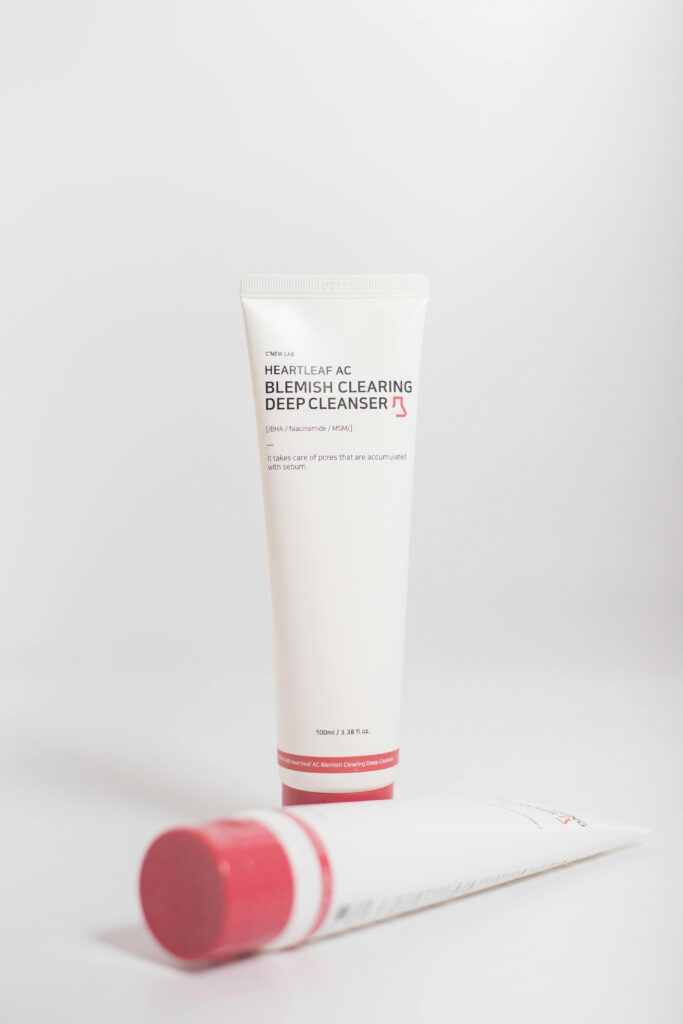
Look for a cream or milky cleanser rather than a foam. Look for a pH between 4.5 and 5.5. Look for ceramides or glycerin in the formula. Avoid any cleanser with sulfates, fragrance, alcohol, or physical exfoliating particles.
The CeraVe Hydrating Facial Cleanser is the most consistently recommended cleanser for barrier repair. It contains ceramides and hyaluronic acid in a formula that cleans without removing any of the barrier lipids you are trying to rebuild. Available at Dermstore.
The La Roche-Posay Toleriane Hydrating Gentle Cleanser is the alternative recommendation for sensitive and reactive skin — a creamy formula with prebiotic thermal water that leaves skin genuinely comfortable after washing. Available at Dermstore.
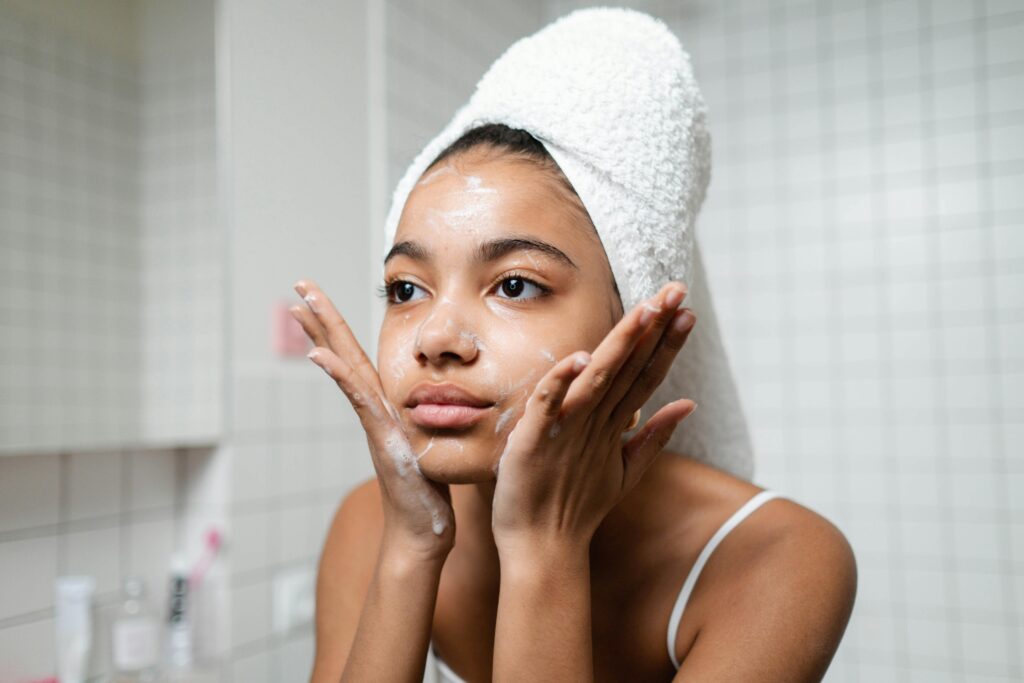
Wash with lukewarm water only — not hot water which disrupts the lipid barrier and increases transepidermal water loss significantly. Pat dry very gently. Do not rub.
Step 3 — Layer hydration correctly
During barrier repair hydration layering becomes more important than at any other time because your compromised barrier is losing water faster than healthy skin — and replenishing that water consistently supports the repair process.
After cleansing while skin is still slightly damp apply a hydrating toner or a few drops of pure hyaluronic acid serum. The slight dampness is critical — hyaluronic acid needs moisture present to draw into the skin. On completely dry skin in a dry environment it pulls moisture upward and then loses it to evaporation which makes the dehydration worse.
The Klairs Supple Preparation Unscented Toner is fragrance-free, contains hyaluronic acid, and is consistently recommended for damaged barrier skin because its formulation is simple enough to be tolerated even by very reactive skin. Available at Dermstore.
Step 4 — Apply a ceramide-rich moisturizer immediately
The most important product in barrier repair is a moisturizer that contains the three lipids found naturally in the skin barrier — ceramides, cholesterol, and free fatty acids. These three ingredients in the right ratio are the literal building blocks of the mortar that holds your barrier together. Applying them topically gives the skin the raw materials it needs to rebuild.
Apply your ceramide moisturizer immediately after your hydrating serum — within thirty seconds — while the skin is still slightly damp from the serum. The moisturizer seals the hydration from evaporating and delivers the ceramides to the barrier where they are needed.

The CeraVe Moisturizing Cream is the most recommended barrier repair moisturizer globally. It was developed with dermatologists specifically to provide the ceramide, cholesterol, and hyaluronic acid combination that compromised barrier skin needs. Available at Dermstore.
For very damaged or reactive skin the Vanicream Moisturizing Cream is an alternative that contains zero potential irritants — no fragrance, no lanolin, no parabens, no formaldehyde releasers, no dyes. Available at Dermstore.
For a more targeted barrier repair product the La Roche-Posay Cicaplast Baume B5 contains panthenol — vitamin B5 — alongside glycerin and shea butter in a formula specifically designed for skin recovery after procedures, irritation, and barrier damage. Available at Dermstore.
Step 5 — Protect during the day
During barrier repair SPF is even more important than usual. Compromised skin is more susceptible to UV damage because the barrier that provides the first line of defense against UV penetration is not functioning at full capacity. Apply SPF 50 as the last morning step every single day without exception.
Use a mineral SPF during barrier repair — zinc oxide is anti-inflammatory and the simpler formulas of mineral sunscreens are less likely to cause additional irritation on reactive skin. The EltaMD UV Physical Broad-Spectrum SPF 41 is a zinc oxide and titanium dioxide formula designed for post-procedure and sensitive skin. Available at Dermstore.
Step 6 — Add an occlusive at night
On recovery nights during barrier repair adding an occlusive as the absolute final step — on top of your moisturizer — significantly accelerates healing by preventing the transepidermal water loss that damaged barriers are particularly prone to overnight.
An occlusive creates a physical seal on the skin surface that traps moisture underneath. It does not add moisture. It prevents the moisture from your moisturizer and the water in your skin from escaping while you sleep.
Pure petroleum jelly — Vaseline — is the most effective occlusive available and one of the most extensively studied skincare ingredients in existence. A thin layer applied over your moisturizer on recovery nights is one of the fastest ways to accelerate barrier repair. The practice — called slugging — has significant evidence behind it for barrier damage recovery and is one of the few skincare trends that has clinical backing rather than just anecdotal support.
For people who find petroleum jelly too heavy the Aquaphor Healing Ointment is a lighter alternative that combines petroleum jelly with panthenol and glycerin for additional healing support. Available at Dermstore.
According to Healthline, slugging with petroleum jelly significantly reduces transepidermal water loss overnight and has been shown to accelerate barrier recovery compared to moisturizer alone in multiple clinical observations.
How Long Does Skin Barrier Repair Take?
This is the question everyone asks and the honest answer is it depends on how compromised the barrier was to begin with.
Mild barrier damage — tightness, occasional stinging, mild reactivity that developed recently — typically resolves within two to four weeks of the stripped-back routine described above.
Moderate barrier damage — persistent redness, stinging from most products, significant dehydration, moderate reactivity — typically takes four to eight weeks of consistent barrier-focused care to resolve meaningfully.
Severe barrier damage — burning from water, reactivity to everything, widespread redness, significant sensitivity — can take three to six months of disciplined barrier repair before the skin tolerates actives again. In these cases a dermatologist consultation is strongly recommended to rule out underlying conditions and receive guidance specific to the severity of damage.
The most common mistake during barrier repair is reintroducing actives too early. Skin feeling better after two weeks is encouraging — but it does not mean the barrier is fully repaired. It means the acute phase is resolving. Introducing retinol or acids before the barrier is truly rebuilt typically causes an immediate return of symptoms and extends the total recovery time significantly.
A useful test before reintroducing actives: apply a small amount of your niacinamide serum to a patch of skin on your inner arm and wait thirty minutes. If there is no stinging or redness your barrier has likely recovered enough to begin carefully reintroducing gentle actives. If it stings or reddens give it another two weeks before testing again.
How to Reintroduce Actives After Barrier Repair
Once your barrier has recovered the way you reintroduce actives determines whether it stays repaired or whether you end up back where you started.
The golden rule is one new product every two weeks. Introduce niacinamide first — it is the gentlest active and actually supports barrier function rather than challenging it. Use it every other day for the first two weeks. If skin tolerates it without issue move to daily use and wait another two weeks before adding the next product.
Exfoliation comes back next — once per week only for the first month. Start with the gentlest option available — lactic acid at a low concentration rather than glycolic acid. Build very slowly toward two times per week maximum. If symptoms return at any point go back to once per week for two more weeks before trying again.
Retinol comes back last and most slowly. Start at the lowest available concentration — 0.2% — within a skin cycling framework that provides two recovery nights for every retinol night. This is the approach most likely to maintain barrier health while rebuilding retinol tolerance.
The whole reintroduction process from first product back to a full routine takes approximately three months if done properly. That timeline feels slow. But it is significantly faster than the alternative — rushing back into a full active routine, damaging the barrier again, and repeating the months-long recovery process from the beginning.
Lifestyle Factors That Support Barrier Repair
Barrier repair is not purely a topical process. Several lifestyle factors directly affect how quickly the barrier recovers.

Adequate sleep is the most significant lifestyle factor. The skin barrier repairs itself most actively between 10pm and 2am — the deep sleep phase. People who consistently sleep less than seven hours have measurably slower barrier recovery than those who sleep adequately. If you are serious about repairing your barrier prioritize sleep as seriously as you prioritize your skincare routine.
Hydration from the inside matters alongside topical hydration. When you are systemically dehydrated your body prioritizes water allocation to vital organs over the skin. Consistently drinking adequate water — at least eight glasses daily — supports the skin’s ability to maintain hydration despite a compromised barrier.
Diet supports barrier lipid production. The ceramides and fatty acids that form the barrier mortar are synthesized from dietary fats and nutrients. Omega-3 fatty acids from fatty fish, walnuts, and flaxseed are essential components of barrier lipid synthesis. Zinc from pumpkin seeds and legumes supports barrier healing. A diet consistently low in healthy fats slows barrier recovery regardless of how many ceramide moisturizers are being applied topically.
Stress management is relevant because elevated cortisol impairs barrier function directly. Cortisol reduces ceramide production and increases transepidermal water loss — meaning chronic stress actively works against barrier repair even when the topical routine is correct. Regular exercise, adequate sleep, and stress reduction practices are legitimate skincare interventions during barrier repair.
Ingredients to Prioritize and Avoid During Barrier Repair
Knowing which ingredients support barrier repair and which interfere with it allows you to evaluate any product you are considering during the recovery period.
Prioritize during barrier repair:
Ceramides — the primary structural lipid of the barrier. Topical ceramides provide the raw material for barrier reconstruction. Look for ceramide NP, AP, and EOP on labels.
Cholesterol — often overlooked but essential alongside ceramides. Cholesterol is the second major component of barrier lipids and works synergistically with ceramides to rebuild the mortar structure.
Fatty acids — the third component of the barrier lipid trio. Look for linoleic acid, stearic acid, or palmitic acid in moisturizer formulas.
Panthenol — vitamin B5 — is one of the most effective barrier support ingredients available. It penetrates into the skin and converts to pantothenic acid which is essential for skin barrier synthesis. Consistently present in barrier repair products for this reason.
Glycerin and hyaluronic acid — humectants that draw water into the skin and reduce transepidermal water loss. Essential for maintaining hydration on a compromised barrier.
Colloidal oatmeal — an FDA-approved skin protectant with documented anti-inflammatory and barrier-supportive properties. Particularly valuable for very reactive or eczema-prone barrier-damaged skin.
Avoid during barrier repair:
Alpha hydroxy acids and beta hydroxy acids — even low concentrations. They dissolve barrier lipids as part of their mechanism and actively work against the rebuilding process.
Retinol — accelerates cell turnover at a rate that outpaces barrier reconstruction on compromised skin.
Vitamin C in L-ascorbic acid form — the low pH disrupts the acid mantle environment that barrier enzymes need to function.
Fragrance and essential oils — even natural fragrance. Fragrance compounds are among the most common causes of contact dermatitis and penetrate a compromised barrier more easily than they would healthy skin.
Alcohol high in the ingredients list — particularly denatured alcohol or SD alcohol which are drying and disruptive to barrier lipids.
Physical scrubs — create microscopic tears in already-compromised skin and introduce friction-related inflammation on top of the existing barrier damage.
Building Your Barrier Back Stronger Than Before
There is a silver lining to going through barrier damage and repair that does not get acknowledged often enough.
The people who repair their barrier carefully and reintroduce their routine slowly tend to end up with stronger, more resilient skin than they had before the damage occurred. The repair process — the ceramide loading, the consistent hydration, the removal of the overly aggressive routine — addresses the underlying causes that made the barrier vulnerable in the first place. The skin that comes out of a proper repair process has a more robust lipid layer, better hydration retention, and often more even tone than the skin that went in.
Barrier damage is not a permanent state. It is the skin communicating that it needs something different from what it has been getting. When you give it what it actually needs — simplicity, ceramides, hydration, and recovery time — it rebuilds. Usually better than before.
If you are not sure whether your skin barrier is compromised or whether your current routine is appropriate for your specific skin type and condition the free AI skin analysis at yourskingpt.com/skin-analysis analyzes your actual skin from a selfie and tells you exactly what your skin needs right now — including whether barrier repair should be your first priority before any other treatment.
You might also find our guides on night skincare routine and skin cycling routine useful for building a structured approach that maintains barrier health while using active ingredients correctly.
Frequently Asked Questions
How do I know if my skin barrier is damaged or if I just have sensitive skin? True sensitive skin is a genetic predisposition — it has always been reactive to products and environmental factors. Barrier damage is acquired — the sensitivity developed after a period of aggressive skincare or environmental exposure. If your skin became reactive after you added new products or increased exfoliation frequency the cause is almost certainly barrier damage rather than inherent sensitivity. The stripped-back routine described in this guide will tell you within two weeks — if symptoms improve significantly the cause was barrier damage not inherent sensitivity.
Can I wear makeup while repairing my skin barrier? Yes — but choose formulas carefully. Mineral powder foundations are the gentlest option for barrier-damaged skin during repair. Avoid liquid foundations with alcohol or fragrance high in the ingredients list. Remove makeup gently with a micellar water that does not require rubbing and follow with your gentle cleanser. Keeping makeup removal gentle is as important as keeping your skincare gentle during repair.
Is redness always a sign of barrier damage? Not always — redness can indicate rosacea, allergic contact dermatitis, sunburn, or simply flushing. But redness that developed after adding new skincare products or increasing exfoliation frequency and that is accompanied by stinging, tightness, and increased product sensitivity is very likely barrier damage. If stripping back to the three-step repair routine does not produce meaningful improvement within four weeks a dermatologist consultation is recommended.
Can oily skin have a damaged barrier? Yes — and this surprises many people. Oily skin produces excess sebum but that does not mean the barrier lipid structure is intact. Sebum and barrier lipids are different things. Over-exfoliation damages the barrier lipids on oily skin just as it does on dry skin — often while the skin still appears oily on the surface. Oily skin with barrier damage presents with persistent breakouts, stinging from products, and reactivity that does not resolve despite the continued oiliness.
Should I see a dermatologist for barrier damage? For mild to moderate barrier damage the repair protocol described in this guide is typically sufficient. You should see a dermatologist if symptoms are severe, if the stripped-back routine does not produce meaningful improvement within six weeks, if you suspect an underlying condition like eczema or rosacea is contributing, or if you are experiencing significant quality of life impact from your skin symptoms.
The Bottom Line
Your skin barrier is not just a layer of dead cells. It is the foundation of everything your skin does well — hydrating, protecting, tolerating, glowing. When it is compromised nothing else in your routine works properly because the structure that allows everything to function is broken.
Repairing it requires patience, simplicity, and the willingness to temporarily step back from the active-ingredient-heavy routine that may have caused the damage in the first place. Two weeks of gentleness. Ceramides. Hydration. SPF. An occlusive at night.
The skin that comes back is worth the patience.
The free AI skin analysis at yourskingpt.com/skin-analysis analyzes your skin from a selfie and tells you whether barrier repair should be your current priority or whether your skin is ready for a full active treatment routine — free in fifteen seconds with no account required.
This article is for informational purposes only and does not constitute medical advice. Always consult a qualified dermatologist for persistent or severe skin barrier concerns, or if you suspect an underlying skin condition.