
There is a reason the phrase beauty sleep exists.
It is not just a saying. During sleep your body enters a state of active repair that affects every organ including your skin. Cortisol — the stress hormone that drives inflammation and breaks down collagen — drops to its lowest levels. Human growth hormone peaks — driving the cellular regeneration that rebuilds skin tissue. Blood flow to the skin increases significantly — delivering oxygen and nutrients to skin cells that have been under environmental attack all day. The skin’s own repair enzymes activate — fixing DNA damage caused by UV radiation, pollution, and oxidative stress.
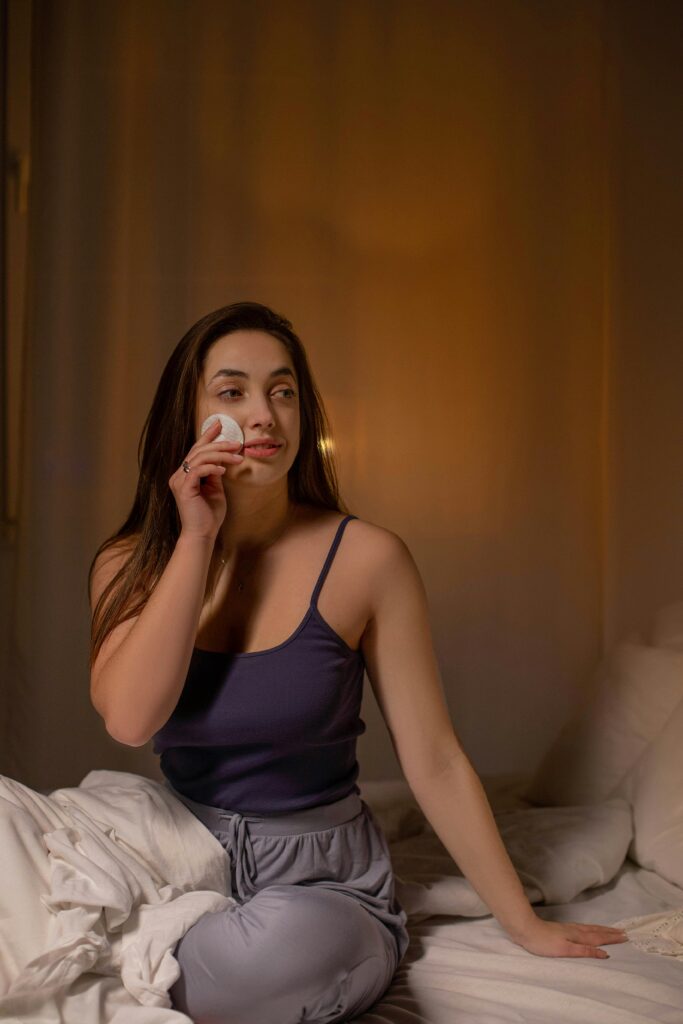
Everything your skin does overnight is constructive. It is building, repairing, regenerating. The morning routine is about protection — creating a barrier between your skin and the world. The night routine is about giving your skin the best possible environment and the best possible tools to do the repair work it is already trying to do on its own.
Most people have a morning routine. Far fewer have a genuinely effective night routine. And the people who do — who consistently cleanse properly, layer the right actives, and seal everything in before bed — tend to have the kind of skin that other people ask about.
This guide explains exactly what an effective night skincare routine looks like, why each step matters, what to apply and in what order, and which products actually deliver on the promise of waking up with better skin.
Why the Night Routine Is Different From the Morning Routine
Understanding the difference in purpose between your morning and night routines changes what you choose to put in each one.
Your morning routine is defensive. It prepares your skin to withstand the day — UV radiation, pollution, dry indoor air, makeup, and the general environmental assault that depletes your skin’s natural defenses. Antioxidants and SPF are the core of a morning routine because their primary function is protection.
Your night routine is offensive. It takes advantage of the skin’s natural repair cycle to treat, correct, and rebuild. Ingredients that cause photosensitivity — retinol and certain exfoliating acids — belong in the night routine because they work best without UV exposure. Richer, more occlusive formulas work better at night because you are not applying makeup on top of them and because the lack of environmental exposure means they can sit and absorb rather than sitting under layers of makeup and SPF all day.
The night is also when you address the damage the day did. Removing every trace of SPF, makeup, pollution, and oxidized sebum from the skin surface is the foundational step that makes everything else in the night routine possible. Applying actives and moisturizer on top of a poorly cleansed face is like painting a wall without cleaning it first — the results are always disappointing.
Step 1 — First Cleanse: Oil or Micellar Cleanser
Double cleansing is the first step of an effective night routine — and the step that makes the biggest difference to people who have never done it before.
The logic is straightforward. Your morning cleanser removes sweat and overnight sebum — relatively simple water-soluble materials. Your evening cleanser is dealing with a full day’s accumulation: SPF — which is specifically formulated to bond tightly to skin and resist water; makeup including foundation, concealer, and powder; oxidized sebum; and pollution particles that have been deposited on the skin surface throughout the day.
No single cleanser removes all of this effectively. Even the most thorough single cleanse leaves behind residue — particularly from SPF, which is designed to be water-resistant. When that residue sits in your pores overnight it contributes to congestion, dullness, and the kind of persistent low-grade breakouts that no treatment product seems to fully resolve because the source is never properly removed.
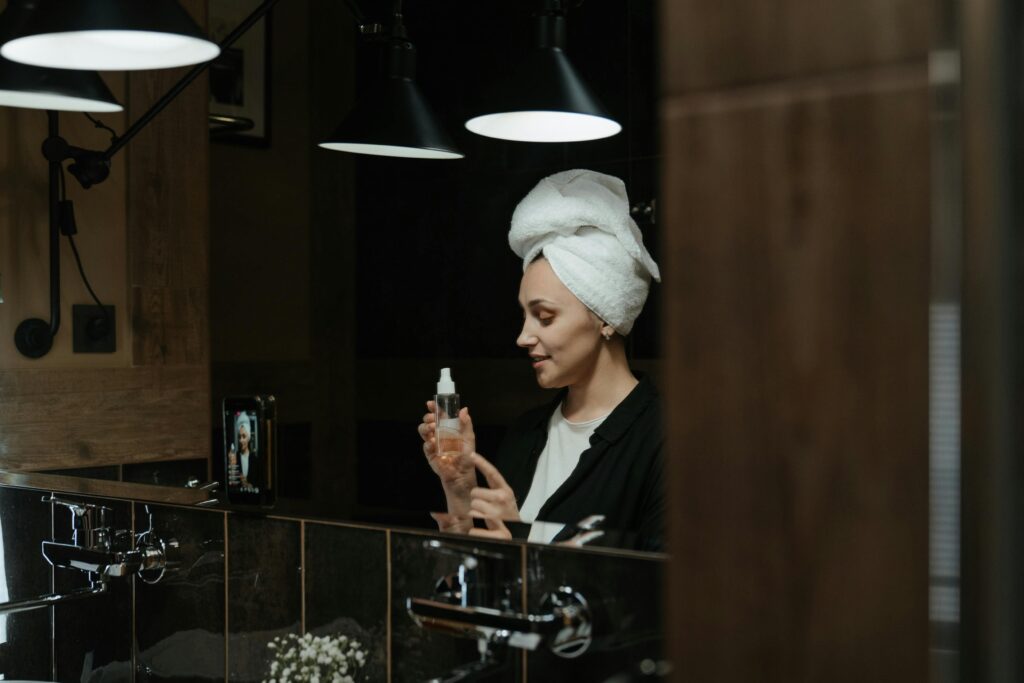
The first cleanse uses an oil-based product — a cleansing oil, cleansing balm, or micellar water — to dissolve the oil-based residue that water cannot touch. Oil dissolves oil. The SPF, the makeup, and the day’s sebum all have oil-based components that emulsify and lift away when massaged with an oil cleanser.
Massage the oil cleanser into dry skin — no water first. Work it across your face for sixty seconds, paying attention to the areas where SPF and foundation tend to sit — around the nose, along the jawline, across the forehead. Then add a small amount of water to your hands and massage again — the oil cleanser will emulsify, turning slightly milky. Rinse thoroughly.
The Banila Co Clean It Zero Cleansing Balm is one of the most beloved first cleanse products globally — a balm-to-oil texture that melts into the skin and rinses completely clean without leaving any greasy residue. Available at Sephora.
For sensitive skin the Bioderma Sensibio H2O Micellar Water is the gentlest first cleanse option — it dissolves makeup and SPF with minimal contact and no rubbing, making it the safest option for reactive or easily irritated skin. Available at Dermstore.
Step 2 — Second Cleanse: Gentle Face Wash
After the oil cleanse your skin is free of oil-based residue but the surface still needs a proper water-based cleanse to remove any remaining traces of the oil cleanser, sweat, and water-soluble impurities.
The second cleanser should be gentle — gentler than you might think necessary. Your skin has been through a full day of environmental exposure and has already given up significant moisture and resilience. A harsh second cleanser compounds this by stripping the acid mantle and leaving the skin barrier in a weakened state heading into the night — precisely when it most needs to be intact and functional.
The pH of your second cleanser matters particularly in the evening because several of the active ingredients used in night routines — acids and retinol — work best when the skin’s surface pH is in the right range. A high-pH cleanser disrupts this and requires your skin to spend time normalizing rather than responding to your actives.
The CeraVe Hydrating Facial Cleanser is one of the most consistently recommended evening second cleanse products — it contains ceramides, hyaluronic acid, and niacinamide in a fragrance-free formula that cleans without stripping and actively supports barrier function while it cleanses. Available at Dermstore.
For oily and acne prone skin the CosRx Low pH Good Morning Gel Cleanser works equally well in the evening as a gentle but thorough second cleanse that maintains the acidic pH environment where your subsequent actives perform best. Available at Sephora.
Pat dry gently with a clean towel. Your skin should feel clean, comfortable, and slightly plump after double cleansing — not tight, not squeaky, not stripped.
Step 3 — Exfoliant (2-3 Evenings Per Week)
Exfoliation is not a daily step — and treating it as one is one of the most common reasons skincare routines stop working for people who have been at them for a while.
Two to three evenings per week of chemical exfoliation is the clinical sweet spot. This frequency is sufficient to prevent dead cell buildup, improve texture, and enhance the penetration of everything applied afterward — without the barrier damage that daily exfoliation causes.
For most skin types an AHA — alpha hydroxy acid — is the appropriate evening exfoliant. Glycolic acid is the most studied and most effective for surface texture, radiance, and skin renewal. Lactic acid is a gentler alternative that works well for dry and sensitive skin. Both work by dissolving the bonds between dead skin cells on the surface, allowing them to shed naturally and revealing the fresher skin underneath.
For oily and acne prone skin BHA — specifically salicylic acid — is superior because it is oil-soluble and can penetrate into pores to dissolve the sebum and dead cell mixture that causes blackheads and breakouts from the inside. According to research published on PubMed, regular BHA use significantly reduces comedone formation and inflammatory acne lesions — making it one of the most evidence-backed over-the-counter acne treatments available.
Apply your exfoliant after the second cleanse on exfoliation nights. Sweep it across your face on a cotton pad or press it in with clean hands — depending on the formula. Leave it on rather than rinsing. Allow it to absorb for two to three minutes before continuing with your routine.
The Paula’s Choice Skin Perfecting 2% BHA Liquid Exfoliant is the most recommended BHA exfoliant globally — genuinely effective, well-tolerated, and used consistently by dermatologists as a first-line recommendation for oily and acne prone skin. Available at paulaschoice.com.
For dull and uneven skin the Paula’s Choice Skin Perfecting 8% AHA Gel Exfoliant delivers glycolic acid at a concentration that produces visible radiance improvement within one to two weeks of regular use. Available at paulaschoice.com.
Do not use your exfoliant on the same evening as your retinol. These are both active ingredients that affect the same skin processes and combining them amplifies irritation without amplifying results. Alternate them — exfoliant on Monday, Wednesday, Friday and retinol on Tuesday, Thursday if you are using both.
Step 4 — Toner or Essence
After cleansing and on exfoliation nights after your acid — your skin needs the first layer of hydration that prepares it to absorb everything applied afterward.
A hydrating toner pressed gently into slightly damp skin restores surface moisture and creates the foundation for your serum and moisturizer layers to work more effectively. It is a brief step — thirty seconds of pressing a small amount of toner into the skin — but it meaningfully improves the absorption of everything that follows.
On non-exfoliation nights this is also where an essence fits — the concentrated lightweight formula that delivers active ingredients at a deeper hydration level than toner. Korean skincare essences containing fermented ingredients, hyaluronic acid, and growth factors are particularly effective as an evening step because the skin’s repair mechanisms overnight can make more use of the nutrients they deliver.
The Missha Time Revolution The First Treatment Essence is one of the most beloved and accessible essences available — a fermented yeast filtrate formula that improves skin texture, hydration, and luminosity with consistent use. Available at Dermstore.
The CosRx Snail Mucin 96% Power Repairing Essence is particularly well-suited to the night routine because its healing and repair properties align with the skin’s natural overnight regeneration processes. For acne prone skin it simultaneously hydrates and helps heal active breakouts and the marks they leave. Available at Sephora.
Step 5 — Treatment Serum
The most impactful step in the night routine for long-term skin transformation. This is where the real work happens — where the ingredients that produce measurable change in how your skin looks over weeks and months are applied.
The night routine has an advantage over the morning routine for treatment serums: without SPF and environmental exposure to interfere, active ingredients applied at night have hours of uninterrupted contact with the skin. Retinol, peptides, and repair ingredients applied at night work in an environment your skin is optimized for — regeneration rather than defense.
Retinol — the gold standard night treatment
Retinol is the most well-researched anti-ageing ingredient available without a prescription. A form of vitamin A, it works by accelerating cell turnover — speeding up the process by which new skin cells replace old ones — and by directly stimulating collagen production. The result over twelve to twenty-four weeks of consistent use is meaningfully improved texture, reduced fine lines, more even skin tone, and a clarity to the complexion that no other single ingredient produces.
According to the American Academy of Dermatology, retinoids are among the most evidence-backed ingredients in skincare for addressing ageing, acne, and uneven skin tone — with decades of clinical research supporting their efficacy.
Retinol causes photosensitivity — it makes skin more susceptible to UV damage — which is why it belongs exclusively in the night routine. It also causes an adjustment period of two to four weeks in most people, during which the skin may experience mild dryness, flaking, or redness as it adapts to the accelerated cell turnover. This is normal and temporary. Starting at a low concentration — 0.025% to 0.1% — and using it once or twice per week before building to more frequent use is the approach most dermatologists recommend.
The Ordinary Retinol 0.2% in Squalane is the most recommended beginner retinol globally — a low concentration in a squalane base that minimizes the irritation associated with first-time retinol use. Available at Sephora.
For skin that has used retinol before and wants stronger results the La Roche-Posay Effaclar Adapalene Gel 0.1% is a prescription-strength retinoid — adapalene — now available over the counter. Significantly more effective than standard retinol for acne and skin renewal. Available at Dermstore.
Niacinamide — the versatile night serum
On nights you are not using retinol or exfoliants, niacinamide is an excellent treatment serum for the evening. It regulates sebum production, reduces inflammation, strengthens the skin barrier, and fades hyperpigmentation. Applied at night it works while you sleep to gradually improve all of these concerns simultaneously.
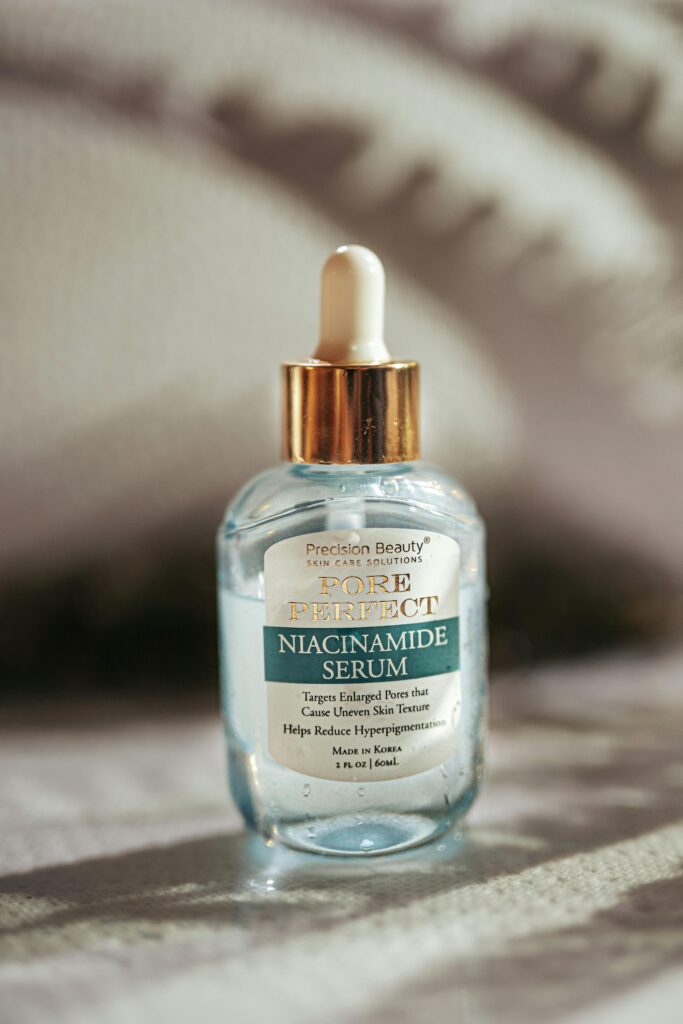
Applied before retinol on retinol nights, niacinamide buffers the irritation that retinol can cause — making the adjustment period more manageable without reducing retinol’s effectiveness. This pairing is one of the most consistently recommended combinations by dermatologists for people starting retinol for the first time.
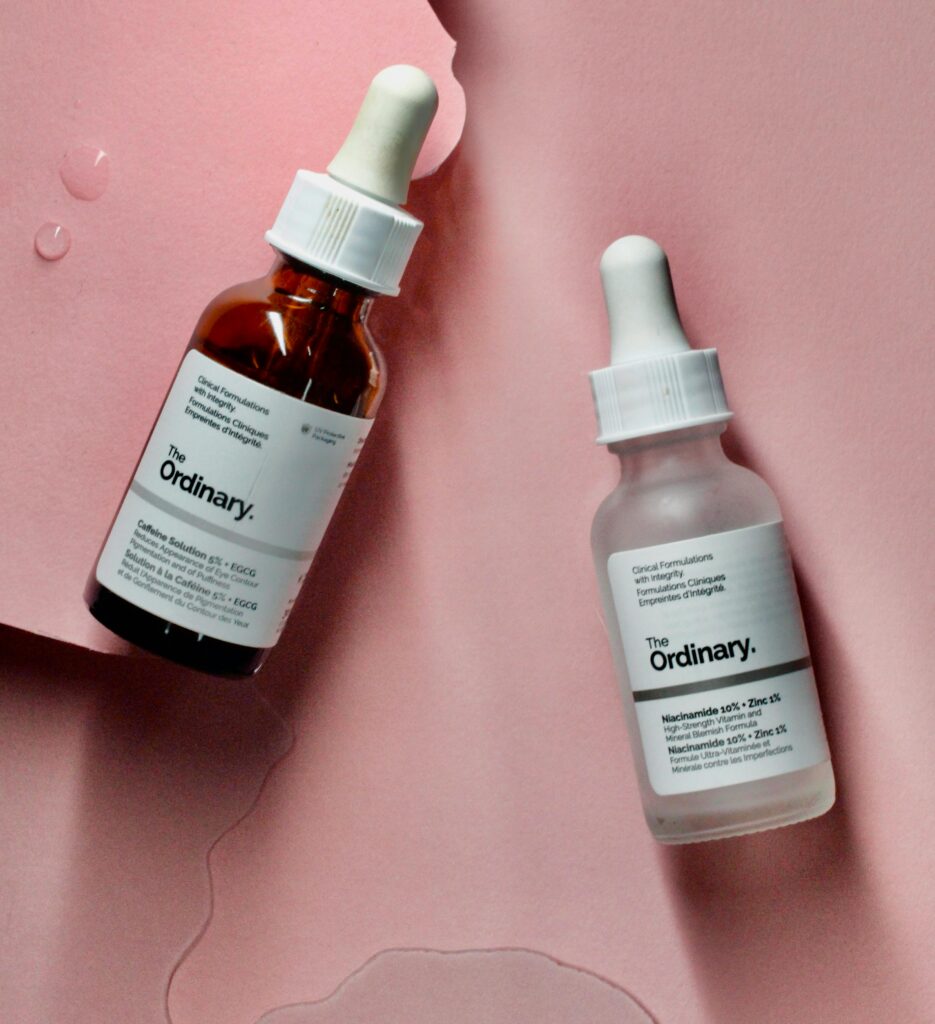
The Ordinary Niacinamide 10% + Zinc 1% is the standard recommendation for oily and acne prone skin. Available at Sephora.
Peptide serums — for anti-ageing focus
For skin whose primary concern is ageing rather than acne or hyperpigmentation, a peptide serum in the evening delivers the collagen-supporting and elasticity-improving benefits that complement retinol’s cell turnover effects. The Ordinary Buffet is a comprehensive multi-peptide formula at an accessible price. Available at Sephora.
Step 6 — Eye Cream
The skin around the eyes is the thinnest skin on the face and it has fewer oil glands than anywhere else — which is why it shows dehydration, fatigue, and ageing earlier than other areas. An evening eye cream applied consistently is one of the simplest ways to address dark circles, fine lines, and puffiness before they become established.
Apply eye cream after your serum and before your moisturizer. Use your ring finger — which naturally applies the least pressure — and tap gently around the orbital bone. Never drag the skin. Never apply directly on the eyelid.
The CeraVe Eye Repair Cream addresses dark circles and puffiness alongside hydration in a ceramide-containing formula gentle enough for the most delicate eye area. Available at Dermstore.
For more established fine lines around the eyes, an eye cream containing peptides or a low concentration of retinol specifically formulated for the eye area provides more active treatment alongside hydration.
Step 7 — Moisturizer
Your evening moisturizer has a different job to your morning moisturizer. In the morning the moisturizer creates a smooth base and seals in your actives before SPF goes on top. At night the moisturizer needs to do three things: seal in your treatment serums, support the overnight repair process, and provide enough hydration that your skin does not lose excessive moisture through the barrier while you sleep.
This means your evening moisturizer can be slightly richer than your morning one — particularly if you have dry or combination skin. Without makeup going on top and without the need for a matte or lightweight base under SPF, you have more freedom to choose a formula that prioritizes repair and intensive hydration over cosmetic elegance.
For oily and acne prone skin the CeraVe PM Facial Moisturizing Lotion combines ceramides and niacinamide in a lightweight lotion that repairs the barrier and regulates sebum simultaneously — ideal for evening use because it works overnight to address both barrier health and oil production. Available at Dermstore.
For dry skin the First Aid Beauty Ultra Repair Cream provides intensive barrier repair through a combination of colloidal oatmeal, ceramides, and shea butter — richer than most daily moisturizers but genuinely appropriate for dry skin that has been using actives and needs a restorative final layer. Available at Sephora.
For normal to combination skin the Belif The True Cream Moisturizing Bomb provides the perfect balance of intensive hydration without heaviness — a gel-cream that absorbs fully overnight and wakes up skin looking noticeably more plump. Available at Sephora.
Step 8 — Facial Oil or Sleeping Mask (Optional)
For an extra layer of overnight nourishment — particularly valuable during cold or dry weather, or on nights when your skin feels particularly depleted — a facial oil or sleeping mask as the absolute final step seals everything underneath and gives the skin an intensive overnight treatment.
Facial oils applied as the last step in the evening work as occlusives — they create a barrier on the skin surface that prevents transepidermal water loss overnight. The skin underneath stays more hydrated throughout the sleep cycle and wakes up looking significantly more plump and radiant.

The Squalane + Vitamin C Rose Oil from Biossance is a lightweight facial oil that combines the occlusive benefits of squalane with the brightening and antioxidant properties of vitamin C — making it an effective final seal for dull or uneven skin. Available at Sephora.
Sleeping masks — overnight treatment masks that are applied as the last step and rinsed off in the morning — deliver intensive concentrated hydration and active ingredients in a format designed for maximum overnight contact time. The Laneige Water Sleeping Mask is the most universally recommended option — a water-gel formula containing hyaluronic acid, sleep-biome complex, and botanical extracts that delivers a visible improvement in skin plumpness and radiance by morning. Available at Sephora.
Use a sleeping mask two to three times per week rather than every night — on nights when your skin needs an extra boost rather than as a daily routine step.
The Night Routine Schedule — Managing Multiple Actives
One of the most common questions about night skincare routines is how to manage multiple active ingredients — retinol, exfoliating acids, niacinamide — without using them all on the same night and overwhelming the skin barrier.
The answer is a simple rotation schedule that gives your skin the benefits of each active ingredient without the cumulative irritation of using all of them every night.
Monday evening: exfoliant (BHA or AHA), niacinamide serum, moisturizer. Tuesday evening: retinol, moisturizer. Wednesday evening: exfoliant, niacinamide serum, moisturizer. Thursday evening: rest night — toner, essence, niacinamide, rich moisturizer only. Friday evening: retinol, moisturizer. Saturday evening: exfoliant, niacinamide serum, sleeping mask. Sunday evening: rest night — gentle cleanse, essence, rich moisturizer, facial oil.
This schedule gives you exfoliation three times per week and retinol twice per week — the clinical recommendations for both — while building in rest nights where the skin can focus on recovery rather than responding to actives. The two rest nights are not wasted nights — they are repair nights where your moisturizer and barrier-focused products do their most effective work on a skin surface that is not simultaneously processing an acid or a retinoid.
What Not to Do in Your Night Routine
Skip the double cleanse when you are tired. This is the most consequential routine shortcut. Falling asleep with SPF residue, oxidized sebum, and pollution particles still on your skin actively works against everything your night routine is trying to achieve. If you genuinely do not have time for a full double cleanse, one pass with a micellar water is infinitely better than nothing.
Apply retinol on the same night as your acid exfoliant. Both create accelerated cell turnover and barrier sensitivity. Using them on the same night amplifies irritation dramatically without improving results. The rotation schedule above prevents this entirely.
Use your morning SPF moisturizer as your evening moisturizer. They are formulated for different purposes. SPF ingredients can cause congestion when sitting on skin for eight hours overnight in a warm environment. Use a dedicated evening moisturizer that focuses on repair rather than protection.
Apply products too quickly after retinol. Retinol applied immediately after cleansing on still-damp skin penetrates more aggressively and causes more irritation than the same retinol applied on dry skin a few minutes after cleansing. Wait two to three minutes after patting dry before applying your retinol.
Expect overnight results. The night routine is a long game. Retinol takes twelve weeks. Exfoliation takes four weeks to produce meaningful texture improvement. Consistent use over months is what produces the kind of skin that other people notice — not a single night’s effort.
Building Your Night Routine Based on Skin Type
The full eight-step framework covers every skin concern — but not every step is necessary for every skin type.
Oily and acne prone skin should prioritize the double cleanse, BHA exfoliation three evenings per week, niacinamide serum, and a lightweight evening moisturizer. Retinol once or twice per week for long-term pore minimization and skin renewal. Skip the facial oil.

Dry skin should prioritize the double cleanse, AHA exfoliation twice per week, hyaluronic acid serum, a rich ceramide moisturizer, and a facial oil two to three evenings per week as the final seal. Retinol once per week built slowly with extra moisturizer on top to buffer dryness.
Combination skin alternates between BHA on the T-zone area and AHA for overall radiance. Niacinamide serum for the whole face. Gel-cream moisturizer that hydrates without congesting. Retinol twice per week.
Sensitive skin starts with just double cleansing, toner, and a rich moisturizer for the first two weeks. Introduces essence after two weeks. Introduces a gentle lactic acid exfoliant once per week after four weeks. Delays retinol until the barrier is established and strong — typically eight to twelve weeks into the routine.
If you are not sure which of these approaches suits your skin type the free AI skin analysis at yourskingpt.com/skin-analysis analyzes your actual skin and produces a complete personalized night routine with specific product recommendations in fifteen seconds. It is completely free with no account required.
You might also find our complete guides on morning skincare routine order and why is my skin dull and how to fix it useful for building the complete picture of both your morning and evening routines.
Frequently Asked Questions
Is a night moisturizer different from a day moisturizer? Yes — and the difference matters. Day moisturizers are formulated to sit well under SPF and makeup, typically lighter in texture and sometimes containing SPF themselves. Night moisturizers prioritize repair and hydration without consideration for cosmetic elegance — they can be richer, more occlusive, and contain ingredients like retinol or peptides that work best overnight.
Can I use retinol every night? Most people should not start with daily retinol — and many people never need it daily. Starting at twice per week and building slowly over three to six months is the approach that produces the best results without the barrier damage and irritation that aggressive retinol use causes. Some people with established retinol tolerance use it daily, but twice to three times per week is effective for most skin types and concerns.
Should I apply moisturizer before or after retinol? There are two valid approaches. Applying niacinamide serum before retinol buffers the irritation without reducing retinol’s efficacy — this is the most recommended approach for beginners. Applying moisturizer before retinol — the sandwich method — reduces penetration and irritation further but also slightly reduces efficacy. The niacinamide-first approach is the better balance of tolerability and results.
What is the difference between a sleeping mask and a night cream? A night cream is a moisturizer formulated for overnight use — applied as part of your routine and left on as your final step. A sleeping mask is an intensive treatment applied as the absolute last step over your moisturizer — designed to create an occlusive seal that maximizes the hydrating and active ingredients underneath. They serve different functions and both can have a place in an evening routine on different nights.
Do I need to use all eight steps every night? No. A simplified night routine of double cleanse, niacinamide serum, and moisturizer is a complete and effective evening routine. The additional steps — exfoliant, retinol, essence, eye cream, sleeping mask — add targeted benefits but the core three steps cover the essentials. Start simple and add steps as your skin adapts and your routine develops.
The Bottom Line
Your skin does its most important work while you sleep. The night routine is not an afterthought to your morning routine — for long-term skin health it is arguably more important because it is when the real transformation happens.
Double cleanse properly so the repair work is not happening on top of a day’s worth of SPF and pollution. Use your actives — exfoliants and retinol — consistently according to a rotation that prevents cumulative irritation. Seal everything in with an appropriate moisturizer and occasionally a sleeping mask or facial oil for intensive overnight recovery.
The results take time — weeks rather than days. But the cumulative effect of a properly executed night routine applied consistently is the kind of skin improvement that no amount of morning routine optimization produces on its own. Your skin has eight hours every night to repair and regenerate. Give it what it needs to do that properly.
The free AI skin analysis at yourskingpt.com/skin-analysis builds a complete personalized night routine for your specific skin type and concerns — free, in fifteen seconds, based on your actual skin rather than a generic template.
This article is for informational purposes only and does not constitute medical advice. Always consult a qualified dermatologist for persistent skin concerns or before starting retinol or prescription-strength actives.