
If you have spent any time in skincare communities over the last few years you have definitely heard about niacinamide benefits for skin. Every brand seems to have a niacinamide product. Every skincare influencer recommends it. Every dermatologist mentions it.
And for once — the hype is actually justified.
Niacinamide is one of the few skincare ingredients that has genuine clinical research behind it, works across almost every skin type, costs almost nothing, and delivers visible results within weeks. It is not a trendy ingredient that will be forgotten in two years. It has been studied extensively since the 1970s and the evidence keeps getting stronger.
But like any ingredient that gets overhyped, there is also a lot of misinformation floating around about what niacinamide actually does, how to use it correctly, and whether the expensive versions are worth paying for over the cheap ones.
This guide covers all of it — honestly, clearly, and without the marketing fluff.
What Is Niacinamide?
Niacinamide is a form of vitamin B3 — one of the essential B vitamins your body needs to function. It is water soluble, which means your body does not store it and needs a regular supply through diet or topical application.
When applied to skin, niacinamide works differently to how it works internally. Topically it interacts with proteins in the skin to produce a wide range of measurable benefits — and the research supporting these benefits is unusually strong for a skincare ingredient.
It is worth understanding the difference between niacinamide and nicotinic acid — another form of vitamin B3. They are related but not the same. Nicotinic acid causes flushing when applied topically. Niacinamide does not. This distinction matters because some older products and cheaper supplements use nicotinic acid and label it loosely as vitamin B3 — which can cause redness and irritation that gets mistakenly blamed on niacinamide itself.
When you see niacinamide on a skincare label, the INCI name is nicotinamide. Both terms refer to the same ingredient.
The Science-Backed Benefits of Niacinamide for Skin
Here is what the research actually shows — not marketing claims, not influencer opinions, but what peer-reviewed studies have found.
Reduces sebum production
This is the benefit that made niacinamide famous in oily skin circles. A landmark study published in the Journal of Cosmetic and Laser Therapy found that topical niacinamide at 2% concentration significantly reduced casual sebum levels over a 12-week period compared to a control group. At higher concentrations the effect was even more pronounced.

For anyone with oily skin this is significant because it means niacinamide addresses the root cause of shine — overactive sebaceous glands — rather than just temporarily mattifying the surface. You can read the full study at PubMed.
Visibly minimizes pore appearance
Enlarged pores are one of the most searched skincare concerns globally. Niacinamide cannot physically shrink pores — nothing can, because pore size is determined by genetics and the elasticity of surrounding skin. But niacinamide reduces the appearance of pores in two ways: by reducing the sebum that stretches pores open and by improving skin elasticity through collagen stimulation.
The result is pores that look smaller even though they have not changed structurally.
Fades hyperpigmentation and dark spots

Niacinamide inhibits the transfer of melanosomes — the cellular structures that carry pigment — from melanocytes to surrounding skin cells. In simpler terms it interrupts the process that creates dark spots without affecting melanin production itself. This makes it a gentler alternative to hydroquinone for treating hyperpigmentation, without the associated risks of prolonged hydroquinone use.
According to the American Academy of Dermatology, niacinamide is among the recommended ingredients for addressing uneven skin tone and hyperpigmentation across all skin tones.
Strengthens the skin barrier
Niacinamide increases the synthesis of ceramides — the lipid molecules that form the mortar between your skin cells and keep your skin barrier intact. A healthy skin barrier retains moisture better, stays protected against environmental damage, and is less reactive to potential irritants.
This is why niacinamide is particularly valuable for sensitive skin — it does not just treat surface symptoms but strengthens the underlying structure that causes sensitivity in the first place.
Reduces inflammation and redness
Niacinamide has documented anti-inflammatory properties. For people with rosacea, acne-related redness, or generally reactive skin, topical niacinamide visibly reduces redness over time. A study referenced on Healthline found niacinamide to be as effective as 1% clindamycin gel — a prescription antibiotic — in reducing inflammatory acne lesions over eight weeks.
That is a remarkable result for an over-the-counter ingredient with zero antibiotic resistance concerns.
Supports anti-aging
At concentrations of 5% and above, niacinamide has shown measurable improvement in fine lines and wrinkles by stimulating collagen production and improving skin elasticity. It also reduces the appearance of the yellowing that can occur as skin ages — a process called sallowness.
Protects against environmental damage
Niacinamide boosts the production of proteins that protect skin DNA from environmental stressors including UV radiation and pollution. This does not replace sunscreen — nothing replaces sunscreen — but it adds an additional layer of cellular protection when used alongside SPF.
Who Should Use Niacinamide?
Essentially everyone. That is not an exaggeration — niacinamide is genuinely one of the most universally suited skincare ingredients available.
People with oily skin benefit from sebum regulation and pore minimization. People with dry skin benefit from barrier strengthening and moisture retention. People with combination skin get both. People with sensitive skin benefit from the anti-inflammatory and barrier repair properties. People with mature skin benefit from collagen stimulation and anti-aging effects.
The only people who need to approach niacinamide with caution are those with a known allergy to niacinamide itself — which is extremely rare — or those using very high concentrations (above 10%) on extremely sensitive skin, where some people experience temporary flushing at first use.
If you are not sure whether niacinamide suits your specific skin concerns, try the free AI skin analysis at yourskingpt.com/skin-analysis — it analyzes your skin and tells you exactly which ingredients your skin needs based on your actual complexion, not generic advice.
What Concentration of Niacinamide Should You Use?
Concentration matters more than most people realize. Different percentages produce different results.
2% niacinamide delivers sebum regulation and mild anti-inflammatory benefits. This is the concentration found in many moisturizers and multi-ingredient serums where niacinamide is one of several active ingredients.
5% niacinamide is the sweet spot for most people — effective for pore minimization, hyperpigmentation, barrier repair, and redness reduction without risk of irritation. This is the concentration used in most clinical studies showing visible results.
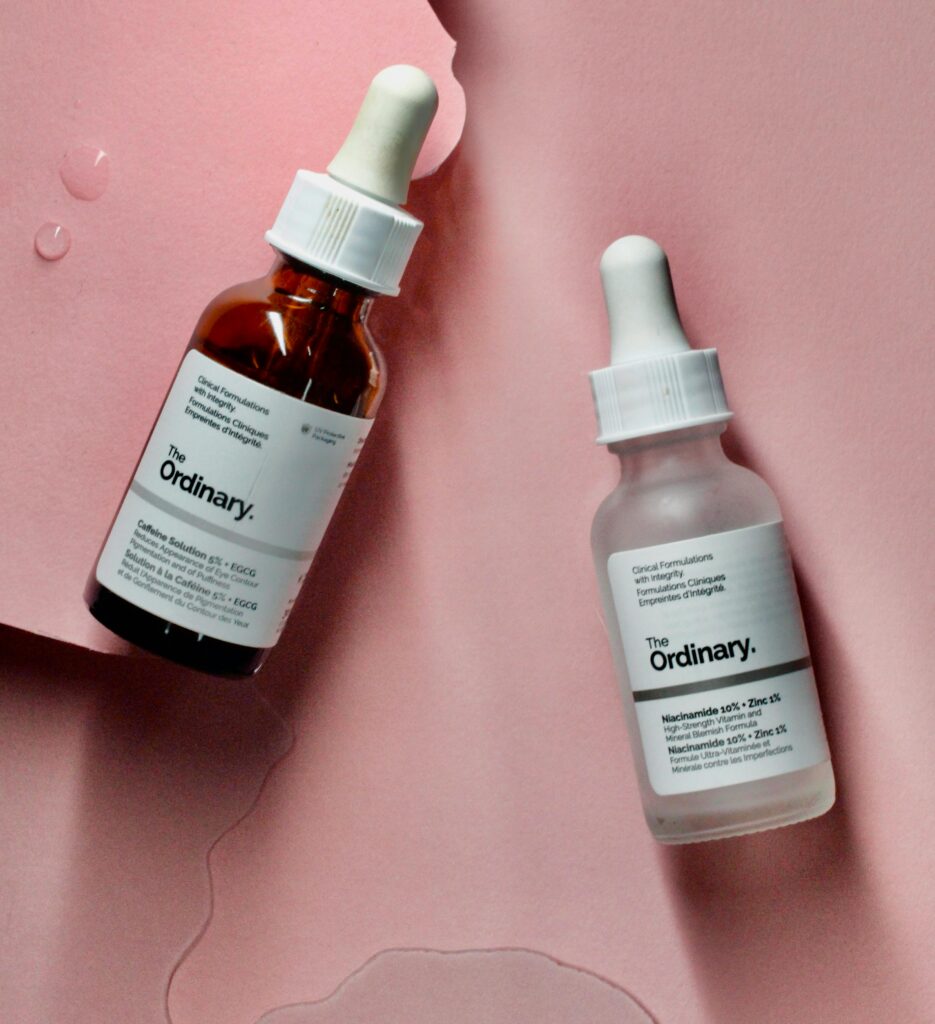
10% niacinamide delivers stronger results across all benefits — particularly for oily skin and hyperpigmentation — and is well-tolerated by most skin types. The Ordinary Niacinamide 10% + Zinc 1% is the most famous product at this concentration.
Above 10% some people experience temporary flushing, particularly those with sensitive skin. Products above 10% are generally unnecessary for most people since the incremental benefit beyond 10% is minimal.
How to Use Niacinamide Correctly
Niacinamide is one of the most flexible ingredients in skincare — it layers well with almost everything and fits into any routine position after cleansing and before moisturizing.
In your morning routine apply niacinamide serum after your toner and before your moisturizer and SPF. It works well under makeup and most people find it creates a slightly mattifying base.
In your evening routine niacinamide can be used after cleansing and before moisturizer. On nights you are using retinol, apply niacinamide first to buffer potential irritation — niacinamide reduces the irritation that retinol can cause in new users, which makes them an excellent pairing.
Use it morning and evening for maximum results. Niacinamide is not photosensitizing — unlike acids and retinol it does not make your skin more sensitive to sunlight, which means it is completely safe in daytime routines.
Allow it to absorb for 30 to 60 seconds before applying the next product. Niacinamide is water-based and absorbs quickly — you will not need to wait long.
Visible results typically appear within 4 weeks of consistent daily use. Full results including significant pore minimization and hyperpigmentation fading take 8 to 12 weeks. Patience is the most important part of any skincare routine.
Can You Mix Niacinamide With Other Ingredients?
Yes — niacinamide is one of the most compatible ingredients in skincare. But there are a few combinations worth knowing about.
Niacinamide and vitamin C can be used together without any issue. An older theory suggested that mixing them created nicotinic acid and caused flushing — but this has been debunked. The reaction only occurs at very high temperatures and concentrations far beyond what skincare formulas contain. Modern formulations of both ingredients are stable together.
Niacinamide and hyaluronic acid are an ideal pairing — niacinamide regulates oil while hyaluronic acid provides hydration. Many formulas include both together specifically because they complement each other so well.
Niacinamide and retinol work excellently together. Apply niacinamide first to create a buffer that reduces retinol-related irritation. The Ordinary specifically recommends this combination in their routine guides.
Niacinamide and AHA or BHA acids can be used in the same routine but ideally at different times of day or at least with a 30 minute gap between application. Using them simultaneously can temporarily reduce the effectiveness of both.
The Best Niacinamide Products Worth Buying
There is an enormous range of niacinamide products on the market at wildly different price points. Here is an honest guide to what is actually worth buying and why.
The Ordinary Niacinamide 10% + Zinc 1% The product that made niacinamide mainstream. At under $7 for 30ml it is the best value skincare product available for oily and combination skin. The zinc addition helps regulate sebum production alongside the niacinamide. Texture is slightly tacky on first application but absorbs fully within a minute. Available at Sephora.

One honest caveat — The Ordinary’s formula has a slightly high pH which can reduce efficacy if applied immediately after a low-pH acid. Apply your BHA or AHA first, wait 20-30 minutes, then apply niacinamide.
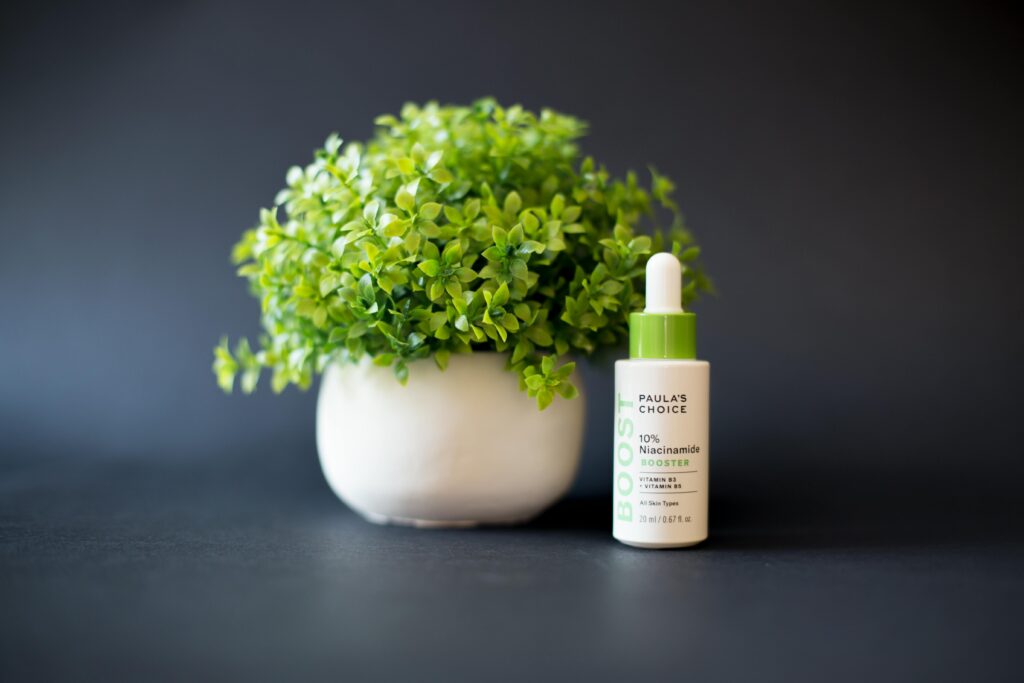
Paula’s Choice 10% Niacinamide Booster A more sophisticated formula than The Ordinary at a higher price point — around $42 for 20ml. The addition of antioxidants and a more refined base makes it better suited to sensitive skin that finds The Ordinary formula slightly irritating. Available at paulaschoice.com.
CeraVe PM Facial Moisturizing Lotion The best option for people who want niacinamide without a dedicated serum step. This moisturizer contains niacinamide alongside ceramides — making it a barrier repair and sebum regulation product in one. It is particularly good for combination and sensitive skin types. Available at Dermstore.
La Roche-Posay Toleriane Double Repair Face Moisturizer Contains niacinamide alongside ceramides and prebiotic thermal water. The most gentle niacinamide product on this list — ideal for sensitive, reactive, or rosacea-prone skin. Available at Dermstore.
Neutrogena Rapid Tone Repair Niacinamide Serum A mid-range option that targets hyperpigmentation specifically. Contains vitamin C alongside niacinamide for a brightening-focused formula. Good choice for people whose primary concern is dark spots rather than oil control. Available at Sephora.
Common Niacinamide Mistakes to Avoid
Expecting overnight results. Niacinamide works gradually over weeks. People who give up after one week and declare it does not work have not given it enough time. Commit to 8 weeks of consistent use before judging.
Using too many active ingredients at once. If you introduce niacinamide alongside retinol, a new BHA, and vitamin C all in the same week and your skin reacts — you will have no idea which product caused the reaction. Introduce one new product at a time.
Assuming expensive means better. The Ordinary’s $6 niacinamide outperforms many products ten times its price in independent studies. Price is not an indicator of niacinamide quality — concentration and formulation stability are.
Applying it incorrectly in your routine. Niacinamide goes after toner and before moisturizer. Applying it after a rich moisturizer means it cannot absorb into the skin where it does its work.
The Bottom Line on Niacinamide
Niacinamide is one of the most well-researched, universally suitable, and genuinely effective skincare ingredients available without a prescription. It reduces oil production, minimizes pores, fades dark spots, repairs the skin barrier, reduces redness, and supports anti-aging — all in one ingredient.
It works best as part of a routine built around your specific skin type and concerns. Using it alongside the wrong products for your skin — even if those products are good on their own — will limit your results.
The most effective way to know exactly how to incorporate niacinamide into a routine that is built for your specific skin is to start with understanding what your skin actually needs. Try the free AI skin analysis at yourskingpt.com/skin-analysis — upload a selfie, answer five quick questions, and get a complete personalized routine that tells you exactly which ingredients including niacinamide are right for your skin.
This article is for informational purposes only and does not constitute medical advice. Always consult a qualified dermatologist for persistent skin concerns or conditions.