
Struggling with oily skin? Follow this complete dermatologist-approved skincare routine for oily skin — morning, evening, and weekly steps that actually work in 2026
If you have oily skin, you already know the feeling. You wash your face in the morning, feel fresh for about forty minutes, and then the shine starts creeping back. By noon your T-zone looks like it could fry an egg. You have tried mattifying primers, oil-control cleansers, every product that promises to “balance” your skin — and yet here you are, still blotting.
Here is the thing nobody tells you: most oily skin routines make the problem worse. Not because oily skin is impossible to manage, but because the standard advice — strip the oil, dry it out, use harsh cleansers — sends your skin into panic mode. When you strip oil aggressively, your skin responds by producing even more oil to compensate. It is a cycle that keeps the skincare industry rich and keeps your face shiny.
This guide breaks that cycle. Here is exactly what a dermatologist-approved skincare routine for oily skin actually looks like in 2026 — morning, evening, weekly, and the lifestyle habits that support all of it.
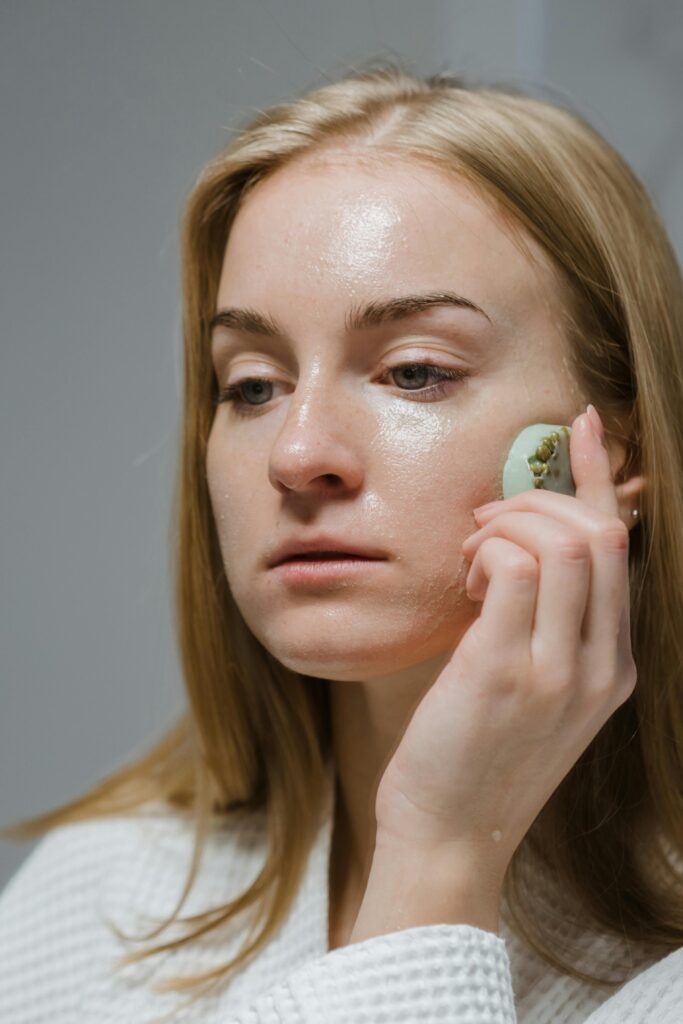
First: Why Does Oily Skin Happen?
Before fixing something it helps to understand it. Oily skin is caused by overactive sebaceous glands — the tiny glands beneath your skin that produce sebum. Sebum is not your enemy. It protects your skin barrier, keeps your skin supple, and actually slows down the appearance of fine lines. People with oily skin genuinely age better in the long run.
But when those glands overproduce, you get the shine, the clogged pores, the blackheads, and the breakouts.
Several factors drive excess oil production. Genetics plays the biggest role — if your parents had oily skin, you likely will too. Hormones are the second biggest driver, which is why oily skin often spikes during puberty, menstrual cycles, pregnancy, and periods of high stress. Diet, humidity, and the skincare products you use all contribute as well.
According to the American Academy of Dermatology, oily skin affects a significant portion of the population and is one of the most commonly mismanaged skin types — precisely because the instinct to dry it out is so strong and so counterproductive.
Understanding this changes how you approach your routine. The goal is not to eliminate oil. The goal is to regulate it.
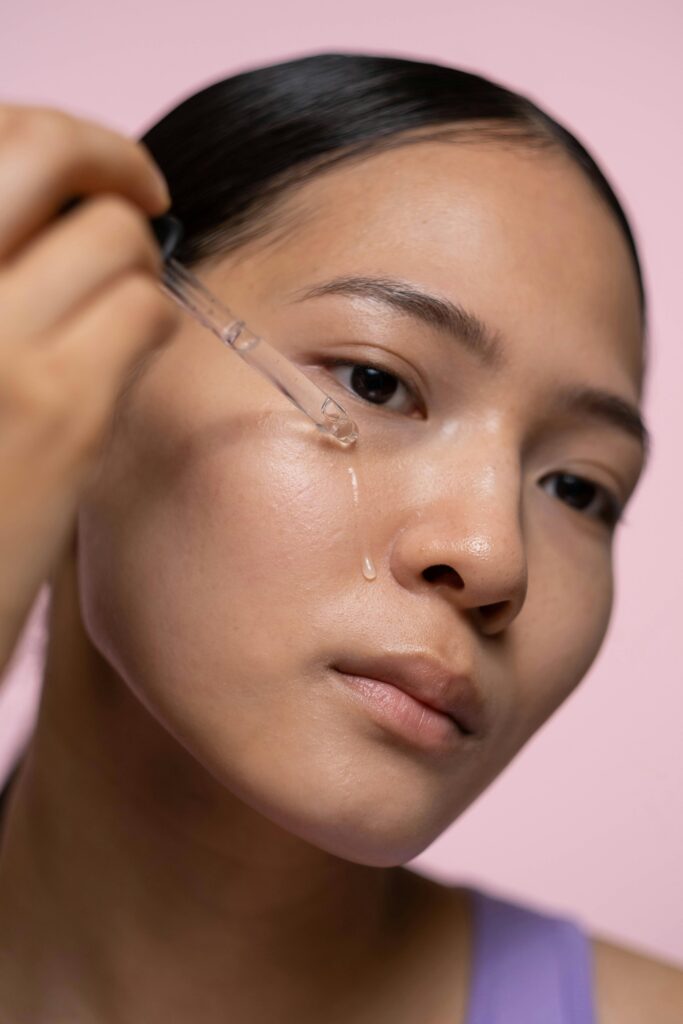
The Golden Rules of Oily Skin Care
Before going through the routine step by step, these four principles apply to every product decision you make for oily skin:
Never skip moisturizer. This is the mistake that keeps oily skin oily. When you skip moisturizer your skin interprets dryness as a threat and compensates with more oil. A lightweight, oil-free moisturizer actually reduces oil production over time.
Always read labels. Look for the words non-comedogenic — this means the product is formulated not to clog pores. For oily skin this is non-negotiable on every product you use.
Gentle is more effective than harsh. A gentle routine used consistently beats an aggressive routine used occasionally. Harsh products damage your skin barrier, which triggers — you guessed it — more oil production.
Sunscreen is not optional. Many people with oily skin skip SPF because they think it makes them greasier. Modern mineral and gel sunscreens exist specifically for oily skin and wearing SPF daily is the single most important anti-aging decision you can make regardless of skin type.
Morning Skincare Routine for Oily Skin
Your morning routine has one primary job: clean, protect, and control oil without stripping your skin barrier.
Step 1 — Cleanser
Start with a foaming or gel cleanser. These cut through overnight oil and sebum buildup without leaving a residue. Cream cleansers are too rich for oily skin in the morning and often leave a film that contributes to midday shine.
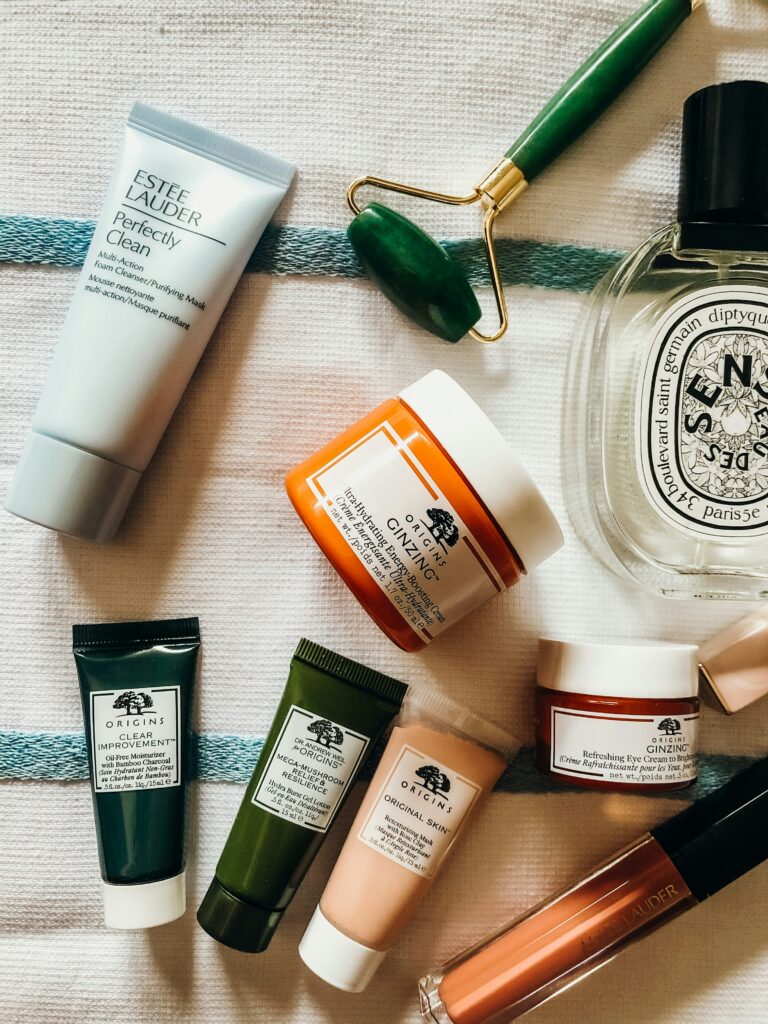
The CeraVe Foaming Facial Cleanser is one of the most consistently recommended options for oily skin by dermatologists worldwide. It contains ceramides to protect the barrier while removing excess oil — which means you get clean skin without the tight, stripped feeling that leads to rebound oiliness. Find it at Sephora (sephora.com) or Dermstore (dermstore.com).
What to avoid in your cleanser: sodium lauryl sulfate high up in the ingredients list, fragrances, alcohol as a primary ingredient, and anything marketed as “deep cleansing” which usually just means stripping.
Step 2 — Toner (Optional but Effective)
Toner divides opinion in the skincare world. For oily skin specifically a toner with niacinamide or witch hazel can genuinely help by removing any remaining traces of oil after cleansing and tightening the appearance of pores.
Paula’s Choice Pore-Reducing Toner is a well-formulated option that uses niacinamide alongside antioxidants without relying on alcohol to create the tightening sensation. It is available at paulaschoice.com.
Skip any toner that lists alcohol as a top-three ingredient. Alcohol-based toners feel satisfying because they create an instant tight, dry sensation — but that sensation is your skin barrier being damaged, not your pores being improved.
Step 3 — Serum
This is where you do the real work for oily skin. The two ingredients that matter most for regulating oil production are niacinamide and hyaluronic acid — and the good news is both are available in affordable, well-formulated products.
Niacinamide — also called vitamin B3 — is the single most evidence-backed ingredient for oily skin. A study published on PubMedhttps://pubmed.ncbi.nlm.nih.gov/17147561 found that topical niacinamide at 2% concentration significantly reduced sebum production over a 12-week period. At 10% it also visibly reduces pore appearance and fades post-acne dark marks.
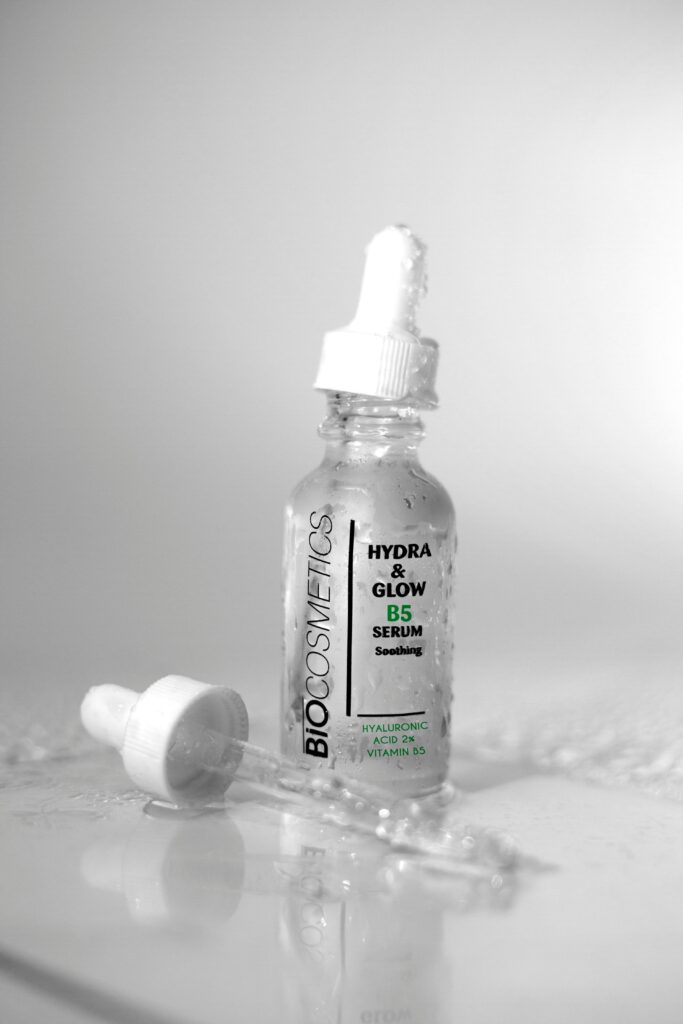
The Ordinary Niacinamide 10% + Zinc 1% is the most popular affordable option and for good reason — it works. Apply 3-4 drops to your entire face after toning and before moisturizing.
Hyaluronic acid is the other must-have. It draws water into the skin and keeps it hydrated — and remember, hydrated skin produces less oil. The Neutrogena Hydro Boost Hydrating Serum is a drugstore option that delivers genuine hydration without any greasiness.
Step 4 — Moisturizer
Repeat after me: oily skin needs moisturizer. Say it again until you believe it.
Choose a gel or gel-cream formula rather than a lotion or cream. Gel moisturizers are water-based and absorb instantly without adding any surface oil or creating the heavy feeling that makes oily skin look worse.
The Neutrogena Hydro Boost Water Gel is a dermatologist favourite for oily skin — lightweight, oil-free, non-comedogenic, and genuinely hydrating. It uses hyaluronic acid as its core ingredient and disappears into the skin within seconds. Available widely at dermstore.com.
Step 5 — Sunscreen
Non-negotiable. Full stop.
For oily skin specifically look for mineral SPF rather than chemical SPF. Mineral sunscreens sit on top of the skin and reflect UV rays — they also tend to have a slight mattifying effect which actually helps with shine control. Chemical sunscreens absorb into the skin and some formulas can feel heavy or cause breakouts on oily skin types.

La Roche-Posay Anthelios Clear Skin SPF 60 is one of the best sunscreens for oily skin ever formulated. It is completely matte, does not pill under makeup, and provides broad spectrum protection. Find it at dermstore.com.
Apply SPF as your absolute last step every single morning regardless of whether you are going outside or not. UV damage happens through windows and even on overcast days.
Evening Skincare Routine for Oily Skin
Your evening routine has a different job to your morning routine. The morning is about protection. The evening is about repair and treatment.
Step 1 — Double Cleanse
Evening cleansing for oily skin benefits enormously from double cleansing — a technique popularized by Korean skincare that involves cleansing twice using two different product types.
The first cleanse uses a micellar water or very gentle cleansing balm to dissolve sunscreen, makeup, and the day’s pollution and sebum buildup. The second cleanse uses your regular foaming cleanser to deep clean the skin.
This sounds excessive but it is not. A single cleanse often leaves residue from SPF and makeup that sits in your pores overnight — the primary cause of morning breakouts. Micellar water like Bioderma Sensibio H2O (available at sephora.com) is excellent for the first cleanse — it dissolves everything without scrubbing.
Step 2 — Exfoliant (3 Times Per Week)
Chemical exfoliation is one of the most transformative steps for oily skin and also one of the most misunderstood. Physical scrubs — the ones with beads or grains — create microscopic tears in the skin and should be avoided entirely.
Chemical exfoliants use acids to dissolve the bonds between dead skin cells, unclogging pores and improving texture without any abrasion.
For oily skin the gold standard is salicylic acid — a beta hydroxy acid (BHA) that is oil-soluble, meaning it can penetrate inside pores and dissolve the sebum and dead cells that cause blackheads and breakouts. According to Healthline , salicylic acid is one of the most effective over-the-counter ingredients for managing acne and excess oil in clinical studies.
Paula’s Choice Skin Perfecting 2% BHA Liquid Exfoliant is the most recommended BHA exfoliant in the skincare community globally. Apply it on a cotton pad after cleansing, sweep across your face, and leave it on — do not rinse. Use it every other night to start, building to three times per week as your skin adjusts. Find it at paulaschoice.com.
Do not exfoliate every night. Over-exfoliation is a real and common problem that damages the skin barrier and causes rebound oiliness, redness, and increased sensitivity.
Step 3 — Treatment Serum
On nights you are not exfoliating, this is where you address your specific skin concerns.
For oily skin with breakouts: a niacinamide serum applied at night works while you sleep to regulate sebum and fade dark marks left by previous breakouts.
For oily skin concerned about aging: a low-strength retinol used once or twice per week is the most evidence-backed anti-aging ingredient available without a prescription. Start with 0.025% and build slowly. The Ordinary Retinol 0.2% in Squalane is a good starting point — available at theordinary.com.
Do not use retinol and BHA exfoliant on the same night. Alternate them.
Step 4 — Moisturizer
Even at night. Even for oily skin.

Your evening moisturizer can be slightly richer than your morning one since you are not going out and do not need to worry about how it interacts with SPF or makeup. But still stay in the gel-cream category rather than anything heavy.
The CeraVe PM Facial Moisturizing Lotion is excellent for evening use on oily skin — it contains ceramides and niacinamide together, repairing the skin barrier while you sleep.
Weekly Additions for Oily Skin
Beyond your daily routine, two weekly treatments make a significant difference for oily skin.
A clay mask once or twice per week draws out excess sebum from pores and provides a deeper clean than daily cleansing alone. The Aztec Secret Indian Healing Clay mixed with apple cider vinegar is one of the most affordable and effective options available. Use it on your T-zone specifically if your cheeks are not as oily.
A gentle vitamin C serum used two to three times per week in the morning adds antioxidant protection and brightening benefits. For oily skin look for L-ascorbic acid in a water-based formula rather than an oil-based one. The Garnier Vitamin C Brightening Serum is a budget-friendly option that works well under SPF.
Lifestyle Habits That Directly Affect Oily Skin
Skincare products only address half the equation. These four habits have a direct and measurable impact on how oily your skin is day to day.
Hydration matters more than you think. When you are dehydrated your body produces more oil to compensate for the lack of water in your skin cells. Drinking eight or more glasses of water daily genuinely reduces sebum production over time — this is not a myth.
Diet has a real connection to oily skin. High glycemic foods — white bread, sugary drinks, processed foods — spike insulin levels which in turn stimulate oil glands. Reducing these and increasing omega-3 rich foods like salmon, walnuts, and flaxseed has shown measurable improvements in sebum production in clinical studies.
Stress management is genuinely relevant here. Cortisol — the stress hormone — directly stimulates oil glands. This is why your skin tends to break out before important events when stress levels spike. Exercise, sleep, and mindfulness practices are not just good for your mental health — they are legitimate skincare tools.
Change your pillowcase twice per week. Your pillowcase accumulates oil, dead skin cells, and bacteria every night and transfers all of it back to your face while you sleep. This single habit change eliminates one of the most overlooked causes of persistent breakouts.
Common Mistakes People With Oily Skin Make
Over-washing the face. Washing more than twice daily strips the skin barrier and triggers rebound oil production. Twice is the maximum — morning and evening.
Using heavy makeup to cover shine. Heavy foundations and concealers sit in pores and make oiliness worse throughout the day. Switch to a lightweight, oil-free tinted moisturizer with SPF and use blotting papers for midday touch-ups instead of powder.
Skipping moisturizer because skin already feels oily. Already covered this but worth repeating — it is the most common mistake and the hardest habit to break.
Trying too many new products at once. When oily skin breaks out it is tempting to add multiple new products simultaneously to fix it. This makes it impossible to identify what is causing the problem or what is actually helping. Introduce one new product at a time and give it at least four weeks before judging results.
Your Oily Skin Routine — Quick Reference
Morning: foaming cleanser, niacinamide serum, gel moisturizer, mineral SPF.
Evening: micellar water first cleanse, foaming cleanser second cleanse, BHA exfoliant three nights per week, treatment serum on other nights, gel-cream moisturizer.
Weekly: clay mask once or twice, vitamin C serum two to three mornings.
Not Sure Which Products Are Right for Your Specific Skin?
Even within oily skin there is enormous variation. Someone with oily sensitive skin needs completely different products to someone with oily skin and hyperpigmentation. Someone with oily skin and fine lines needs different treatments to someone with oily skin and active breakouts.
This is exactly why a personalized approach matters. YourSkinGPT analyzes your specific skin from a photo, combines it with your individual concerns and lifestyle, and gives you a routine and product list built around your skin — not a generic oily skin template.
Try your free AI skin analysis . It takes 15 seconds and you might be surprised how different the recommendations are from generic oily skin advice.
This article is for informational purposes only and does not constitute medical advice. Always consult a qualified dermatologist for persistent skin concerns or conditions.