
Looking for the best moisturizer for acne prone skin? Here are 8 dermatologist-picked non-comedogenic moisturizers that hydrate without causing breakouts with honest reviews.
Here is a conversation that happens in dermatology offices every single day.
Patient walks in frustrated. They have acne. They have been avoiding moisturizer for months — sometimes years — because they were told or somehow convinced themselves that putting anything on their face would make their breakouts worse. Their skin looks red, irritated, and paradoxically — still breaking out. The dermatologist looks at them and says the same thing every time.
Your skin is dehydrated. You need to moisturize.
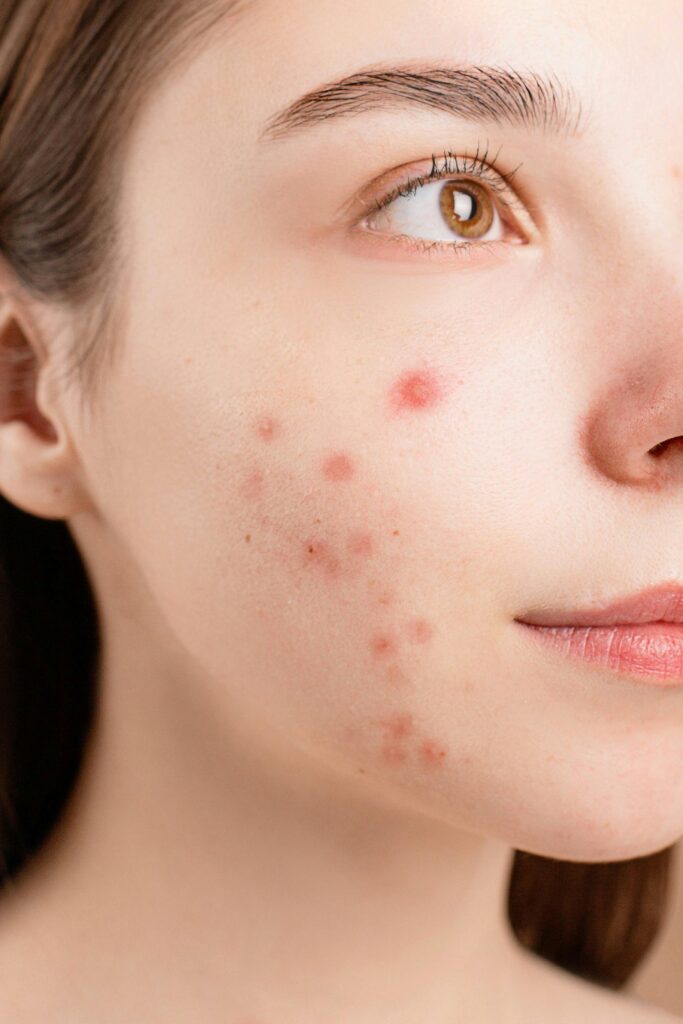
It sounds counterintuitive. It feels counterintuitive. But skipping moisturizer when you have acne prone skin is one of the most common and most damaging skincare mistakes people make. When your skin is dehydrated it compensates by producing more oil. More oil means more clogged pores. More clogged pores means more breakouts. The cycle feeds itself and the solution — moisturizer — is the last thing people reach for.
The reason moisturizer gets a bad reputation with acne prone skin is simple: most people have tried the wrong kind. A rich, heavy cream designed for dry skin will absolutely clog pores on acne prone skin. But that does not mean moisturizer itself is the enemy. It means the wrong moisturizer is the enemy.
This guide cuts through the confusion. Here are eight dermatologist-recommended moisturizers specifically formulated for acne prone skin — what they contain, why they work, who they suit best, and where to find them.
Why Acne Prone Skin Needs Moisturizer
Before getting to the product list it is worth spending a moment on the science because understanding it changes how you approach your entire skincare routine.
Acne prone skin is characterized by overactive sebaceous glands, a tendency toward comedone formation — blocked pores — and often an impaired skin barrier. That last point is the one most people miss.
Your skin barrier is the outermost layer of your skin — a complex structure of cells and lipids that keeps moisture in and environmental irritants out. When the skin barrier is compromised — whether through over-cleansing, harsh acne treatments, or simply genetics — skin loses moisture faster than it can replace it.
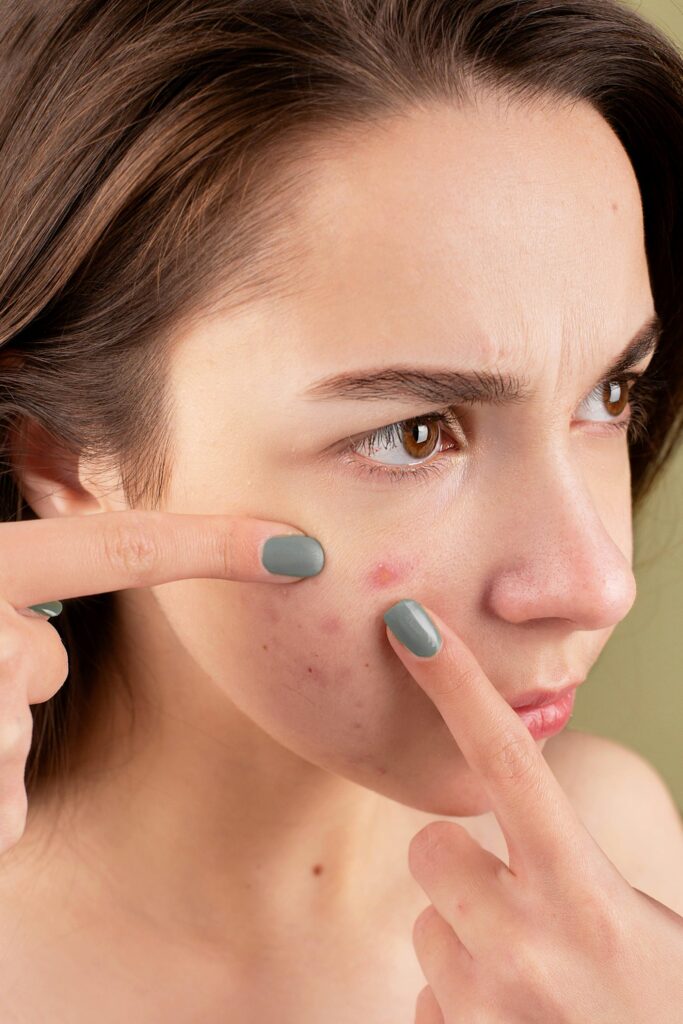
This state is called transepidermal water loss, and according to research published on PubMed, elevated transepidermal water loss is significantly associated with acne severity. In plain terms — the drier and more barrier-damaged your acne prone skin is, the worse your acne tends to be.
A well-formulated moisturizer designed for acne prone skin does three things simultaneously. It restores hydration without adding pore-clogging oils. It supports barrier repair so skin can defend itself better. And it creates an environment where acne treatments like salicylic acid, benzoyl peroxide, and retinol can work more effectively without causing excessive dryness and irritation.
According to the American Academy of Dermatology, using a non-comedogenic moisturizer is a recommended step in every acne treatment routine — not an optional add-on.
What to Look for in a Moisturizer for Acne Prone Skin
The label on the front of a moisturizer tells you almost nothing useful. The ingredients list tells you everything. Here are the terms and ingredients that actually matter.
Non-comedogenic means the formula has been tested and found not to clog pores. This is the single most important term to look for on any moisturizer for acne prone skin. Not every brand tests rigorously for this but the established dermatologist-recommended brands generally do.
Oil-free formulas contain no oils that can contribute to pore congestion. This does not mean the product cannot be hydrating — water-based hydrating ingredients like hyaluronic acid and glycerin provide excellent moisture without any of the pore-clogging risks of oils.
Ceramides are lipid molecules that occur naturally in the skin barrier. Adding them topically helps repair a compromised barrier — which as we just covered is a significant factor in acne severity. Look for ceramide NP, ceramide AP, or ceramide EOP in the ingredients list.
Hyaluronic acid draws water into the skin and holds it there. It is completely non-comedogenic, works for every skin type, and is one of the most effective hydrating ingredients available in skincare. Almost every good moisturizer for acne prone skin contains it.
Niacinamide in a moisturizer formula delivers bonus benefits for acne prone skin — regulating sebum production, reducing redness from active breakouts, and fading post-acne dark marks simultaneously.
Fragrance-free is non-negotiable for acne prone skin. Fragrance is the leading cause of contact dermatitis and skin irritation in skincare products — and irritated skin breaks out more. Many products marketed for sensitive or acne prone skin still contain fragrance, which is an immediate red flag.
Avoid ingredients like coconut oil, cocoa butter, lanolin, and isopropyl myristate — all of which have high comedogenic ratings and will make acne prone skin significantly worse regardless of how natural or luxurious they sound.
The 8 Best Moisturizers for Acne Prone Skin
These eight products are selected based on formulation quality, clinical evidence, dermatologist recommendation frequency, and real-world performance across acne prone skin types.
1. CeraVe PM Facial Moisturizing Lotion
If there is one moisturizer that appears on virtually every dermatologist’s recommendation list for acne prone skin it is this one. The CeraVe PM Facial Moisturizing Lotion contains three essential ceramides, hyaluronic acid, and niacinamide in a lightweight lotion that absorbs immediately without any greasy residue.
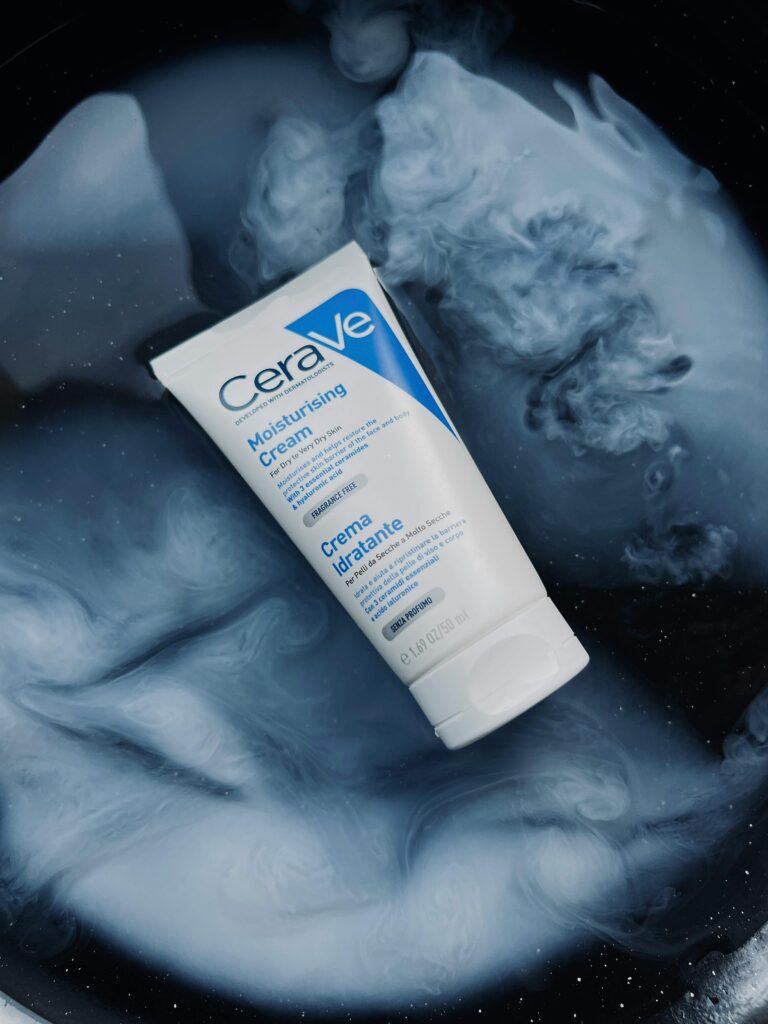
The ceramide complex repairs the skin barrier while you sleep. The niacinamide reduces overnight sebum production. The hyaluronic acid restores hydration that acne treatments strip away. It is fragrance-free, non-comedogenic, and developed with dermatologists specifically for sensitive and acne prone skin.
It is also one of the most affordable options on this list — under $20 for a 3oz bottle that lasts months when used as directed.
Best for: oily and combination acne prone skin, post-acne redness, routine use alongside retinol or acne treatments. Available at Dermstore.
2. La Roche-Posay Effaclar Mat
La Roche-Posay is one of the most recommended skincare brands by dermatologists globally — and the Effaclar Mat is their dedicated product for oily and acne prone skin. It contains sebulyse technology which targets excess sebum at the source, combined with perlite — a natural mineral that absorbs oil throughout the day.
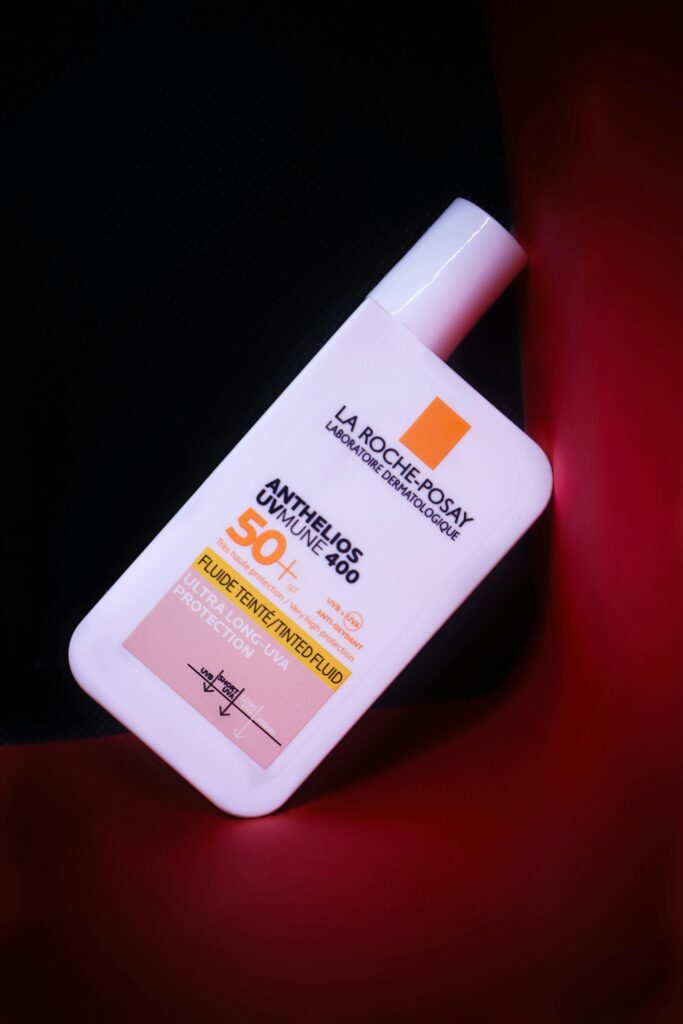
The result is genuinely matte skin that stays controlled for hours without drying out. It also contains glycerin for hydration balance so the mattifying effect does not come at the cost of moisture.
This is an excellent daytime moisturizer for oily acne prone skin because it creates a smooth, matte base under SPF and makeup without pilling.
Best for: oily acne prone skin, daytime use, people who struggle with midday shine alongside breakouts. Available at Dermstore.
3. Neutrogena Hydro Boost Water Gel
The Neutrogena Hydro Boost Water Gel has become a staple recommendation for acne prone skin that is also dehydrated — which as covered earlier is more common than most people realize.
The formula is built around hyaluronic acid in a gel base that is completely oil-free. It delivers intense hydration without any surface weight or greasiness and absorbs within seconds. The gel texture makes it particularly good for combination skin where the T-zone is oily but the cheeks need hydration.
It is also one of the most widely available and affordable options on this list — accessible at pharmacies, supermarkets, and online.
Best for: dehydrated acne prone skin, combination skin, people who find most moisturizers too heavy. Available at Sephora.
4. Paula’s Choice Clear Oil-Free Moisturizer
Paula’s Choice has built its entire brand around transparent formulation and science-backed skincare — and the Clear Oil-Free Moisturizer is specifically formulated for acne prone skin with that philosophy applied.
It contains niacinamide at an effective concentration alongside antioxidants and skin-soothing agents. It is completely fragrance-free, oil-free, and non-comedogenic. Paula Begoun — the founder — is one of the most respected voices in evidence-based skincare and this product reflects years of formulation expertise.
It is more expensive than drugstore options but the formulation quality justifies the price for people whose skin has not responded well to more basic moisturizers.
Best for: sensitive acne prone skin, people who have reacted to other moisturizers, anyone combining multiple active ingredients. Available at paulaschoice.com.
5. The Ordinary Natural Moisturizing Factors + HA
The Ordinary disrupted the skincare industry by offering clinical formulations at prices that removed the luxury markup entirely. Their Natural Moisturizing Factors + HA does exactly what it says — it replenishes the natural moisturizing factors that healthy skin produces while adding hyaluronic acid for additional hydration.
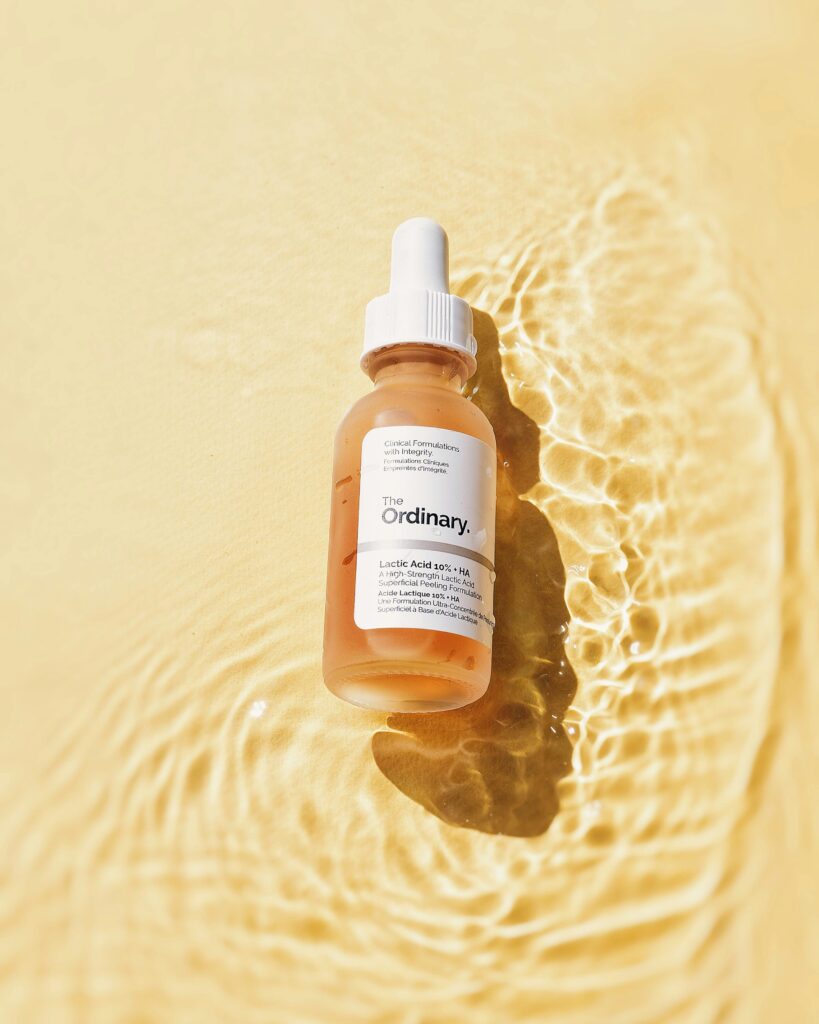
It is a no-frills formula with no fragrance, no unnecessary additives, and no marketing fluff. The texture is lightweight and it absorbs cleanly. For people who want the most straightforward non-comedogenic moisturizer at the lowest possible price point this is consistently the top recommendation.
Best for: budget-conscious skincare routines, minimalist routines, normal to combination acne prone skin. Available at Sephora.
6. First Aid Beauty Ultra Repair Face Moisturizer
For acne prone skin that is simultaneously sensitive and reactive — a combination that makes finding a moisturizer genuinely difficult — the First Aid Beauty Ultra Repair Face Moisturizer is one of the most consistently recommended options by dermatologists treating patients with both acne and conditions like eczema or rosacea.
It contains colloidal oatmeal — an FDA-approved skin protectant — alongside ceramides and hyaluronic acid. Colloidal oatmeal is one of the most powerful anti-itch and anti-inflammatory ingredients available over the counter. For skin that breaks out and simultaneously feels irritated and reactive it provides immediate relief alongside long-term barrier repair.
Best for: acne prone skin with simultaneous sensitivity, redness, or eczema-like symptoms. Available at Sephora.
7. Clinique Dramatically Different Moisturizing Gel
Clinique has been formulating for sensitive and acne prone skin for decades and the Dramatically Different Moisturizing Gel — the oil-free gel version specifically — has maintained its place among the best moisturizers for acne prone skin for good reason.
It is allergy-tested, fragrance-free, and dermatologist-developed. The gel formula provides a clean, light layer of hydration without any pore-clogging ingredients. It works particularly well for people transitioning off heavy creams who want to rebuild a lighter, more appropriate routine for their skin type.
Best for: acne prone skin transitioning from heavy moisturizers, combination skin, people with a history of product reactions. Available at Sephora.
8. Tatcha The Water Cream
The most premium option on this list and genuinely worth including because for certain skin types — particularly oily acne prone skin that has not responded well to Western formulations — Japanese skincare philosophy produces results that nothing else matches.
Tatcha The Water Cream uses Japanese wild rose to regulate oil production, leopard lily to target acne-causing bacteria, and hadasei-3 — Tatcha’s proprietary complex of green tea, rice, and algae — to deliver antioxidant and anti-inflammatory benefits. The texture is uniquely water-burst — it releases a burst of hydration on contact with skin and then disappears completely.
It is expensive at $68 for 1.7oz but for people who have tried everything else and still struggle with oily acne prone skin it consistently produces results others have not.
Best for: oily acne prone skin that has not responded to drugstore options, people willing to invest in premium skincare. Available at Sephora.
How to Apply Moisturizer Correctly for Acne Prone Skin
Choosing the right moisturizer is only half the equation. How you apply it matters too.
Always apply moisturizer to slightly damp skin — right after washing your face while your skin is still a little moist. Damp skin absorbs hydrating ingredients more effectively than completely dry skin. This is particularly important with hyaluronic acid, which needs water present to draw into the skin.
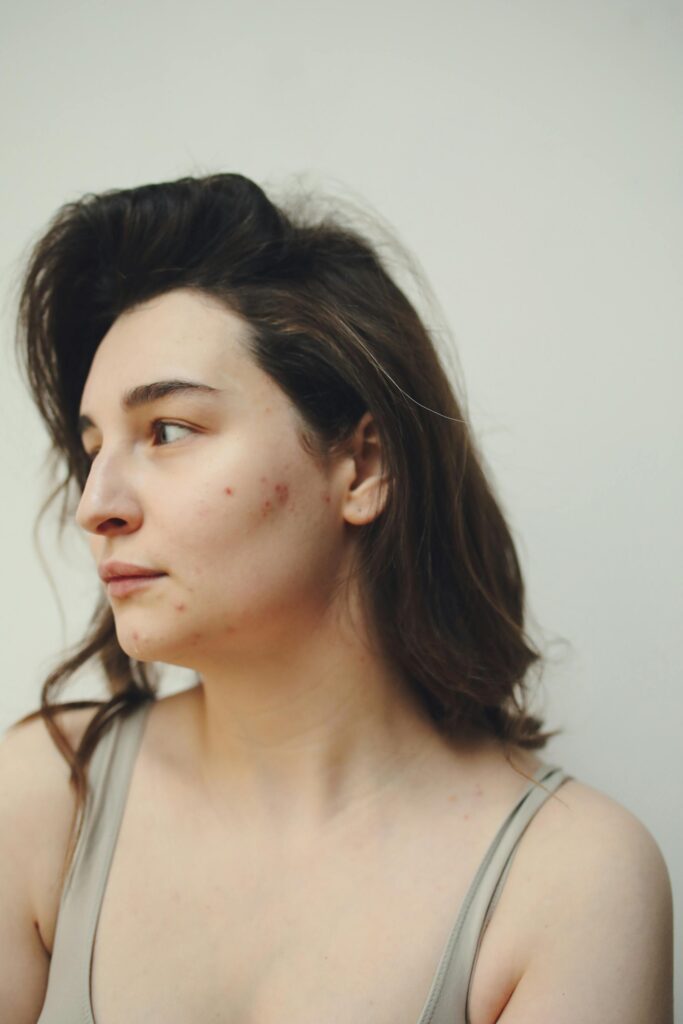
Use a small amount — a pea-sized amount for the whole face is usually enough for gel and lotion formulas. Using too much of even a non-comedogenic moisturizer can overwhelm your skin and contribute to congestion.
Apply it as the second-to-last step in your routine — after your serum and before your SPF in the morning, and as your final step at night. Give it 60 seconds to absorb before applying sunscreen.
Never apply moisturizer over unwashed skin. Trapping the day’s pollution, sebum, and bacteria under a layer of moisturizer overnight is a direct route to new breakouts.
Building a Complete Routine Around Your Moisturizer
A moisturizer works best as part of a complete routine rather than as a standalone product. For acne prone skin the foundation routine looks like this.
Morning: a gentle foaming cleanser, niacinamide serum, your chosen moisturizer from this list, and a non-comedogenic mineral SPF. The CeraVe Foaming Facial Cleanser paired with The Ordinary Niacinamide 10% and the CeraVe PM Moisturizer is a complete under-$30 routine that dermatologists recommend constantly.
Evening: double cleanse with micellar water followed by your foaming cleanser, salicylic acid exfoliant three times per week, moisturizer, and a low-strength retinol one to two times per week on non-exfoliant nights.
The key principle is that your moisturizer should be doing barrier repair and hydration work — not treating active acne. Your active treatments — salicylic acid, benzoyl peroxide, retinol — do the acne-fighting. Your moisturizer keeps your skin healthy enough for those treatments to work without causing excessive irritation.
If you are not sure which of these moisturizers is right for your specific skin type and concerns — or how to build a complete routine around it — the free AI skin analysis at yourskingpt.com/skin-analysis analyzes your actual skin and gives you a personalized recommendation in 15 seconds. It is completely free, requires no account, and produces a complete routine — not just a single product recommendation.
You can also read our complete guide on how to know your skin type at home before choosing your moisturizer — because the right moisturizer for oily acne prone skin is very different to the right moisturizer for dry acne prone skin.
Frequently Asked Questions
Can I use moisturizer if I have active breakouts? Yes — and you should. Skipping moisturizer on active breakouts leaves your skin dehydrated and more reactive, which worsens inflammation. Choose a gel formula and apply a thin layer around active spots rather than directly on them if the area feels very inflamed.
Should I moisturize morning and evening with acne prone skin? Yes. Morning moisturizing protects your skin barrier throughout the day. Evening moisturizing supports barrier repair while you sleep — particularly important if you are using retinol or salicylic acid which can be drying.
Is SPF moisturizer good enough for acne prone skin? A combined SPF moisturizer can work but separate products generally perform better. Dedicated SPF formulas designed for acne prone skin — like La Roche-Posay Anthelios Clear Skin SPF 60 — provide better sun protection without compromising the performance of your moisturizer.
How long before I see results from a new moisturizer? Skin barrier repair takes a minimum of four weeks of consistent use to show measurable improvement. Give any new moisturizer at least four to six weeks before deciding whether it works for your skin. Changing products too frequently is one of the most common reasons skincare routines fail.
Why does my moisturizer make me break out? Either the formula contains comedogenic ingredients, it is too heavy for your skin type, or you are using too much product. Check the ingredients list for oils like coconut oil, cocoa butter, or isopropyl myristate. If none of those are present try using a smaller amount — about a pea-sized portion for the entire face.
The Bottom Line
The best moisturizer for acne prone skin is not the one that costs the most or has the longest ingredients list. It is the one that hydrates your skin without clogging your pores, supports your skin barrier, and plays well with the rest of your routine.
For most people with acne prone skin the CeraVe PM Facial Moisturizing Lotion or the Neutrogena Hydro Boost Water Gel covers every base at a price that makes consistent use financially sustainable. For oily acne prone skin the La Roche-Posay Effaclar Mat adds the mattifying benefit that makes the routine feel complete. For sensitive acne prone skin the Paula’s Choice Clear Oil-Free Moisturizer or First Aid Beauty Ultra Repair offers the gentlest possible formulation.
The right one for you specifically depends on your skin type, concerns, and the other products in your routine. Start with understanding your skin and build from there.
This article is for informational purposes only and does not constitute medical advice. Products mentioned are not intended to diagnose treat cure or prevent any condition. Always consult a qualified dermatologist for persistent acne concerns.