
Learn how to know your skin type at home using two simple tests — no dermatologist needed. Discover if you have oily, dry, combination, or normal skin in under an hour
Let me be honest with you about something.
Most people have been washing their face wrong for years. Not because they are careless — but because they never actually knew their skin type. They picked a moisturizer because the packaging looked nice, or because their friend recommended it, or because it was on sale. And then they wondered why their skin still looked tired, oily, or dry by midday.
Knowing your skin type is not vanity. It is the foundation of everything. The right cleanser, the right moisturizer, the right serum — none of it works if it is not matched to what your skin actually is.
The good news? You do not need to book a dermatologist appointment to figure this out. You can know your skin type at home in less than an hour using two simple methods. Here is exactly how.
Why Most People Get Their Skin Type Wrong
Before we get into the methods, it is worth understanding why so many people misidentify their skin type — because it is more common than you think.
The biggest mistake people make is judging their skin based on how it feels after using products. If your skin feels tight after cleansing, you assume you have dry skin. But that tightness might just mean you are using a cleanser that is too harsh for your actual skin type. You are reading a symptom caused by a product — not your natural skin.
The second mistake is assuming skin type never changes. Your skin type can shift with age, seasons, hormones, diet, stress levels, and even where you live. According to the American Academy of Dermatology, skin type changes are extremely common and often go unrecognized.
Someone who had oily skin at 22 might have combination skin at 35. Someone who lived in a humid climate might develop drier skin after moving somewhere cold.
So before you do either of the tests below, do this first: stop using all skincare products for one day. Wash your face with plain water only. Let your skin breathe and show you what it naturally is, without any product interference.
Method 1: The Bare Face Test
This is the most reliable at-home method for identifying your skin type. It requires zero equipment and takes about an hour.
Here is how to do it properly.
Wash your face gently with a mild, fragrance-free cleanser — nothing medicated, nothing with acids, nothing with strong fragrances. Pat dry with a clean towel. Do not apply anything after washing. No toner, no moisturizer, no serum. Nothing.
Now wait one full hour. Go about your morning. Do not touch your face during this time.
After one hour, go to a well-lit mirror — natural daylight is best — and look closely at different areas of your face. Then gently press a clean tissue against your forehead, nose, chin, and cheeks separately.
Here is what your skin is telling you:
If your face looks shiny all over and the tissue picks up oil from every area — you likely have oily skin. Your sebaceous glands are producing more oil than your skin needs, which is not a flaw — it actually means your skin ages more slowly than dry skin types. But it does need the right products to keep it balanced.
If your face feels tight, looks dull, or you notice any flaky or rough patches — especially around the nose, cheeks, or forehead — you likely have dry skin. Dry skin lacks lipids, not just water. This is an important distinction because it changes which ingredients actually work for you.
If your forehead and nose are shiny and the tissue picks up oil from those areas, but your cheeks feel normal or slightly tight — you have combination skin. This is actually the most common skin type, though most people with combination skin assume they have oily skin because the T-zone gets most of the attention.
If your skin looks and feels balanced — not shiny, not tight, no visible flaking, no particular concerns jumping out at you — congratulations, you have normal skin. Normal skin is less common than people think, and it still needs consistent care to stay that way.
If your skin looks red, feels itchy or reactive, or you notice patches of irritation even after just washing with a gentle cleanser — your skin is sensitive. Sensitive skin is not technically a skin type on its own. It is a characteristic that overlaps with any of the four types above. Sensitive oily skin is very common, as is sensitive dry skin.
Method 2: The Blotting Paper Test
If you want a quicker result or want to double-check what the bare face test told you, the blotting paper test takes five minutes and is surprisingly accurate.
You need either proper blotting papers — available at any pharmacy for under a dollar — or you can use a clean tissue in a pinch.
Wash your face, pat dry, and wait thirty minutes. Then press the blotting paper firmly against five areas: your forehead, left cheek, right cheek, nose, and chin. Hold it against each area for about five seconds.
Now hold the paper up to natural light.
If you see heavy oil on all five sheets — oily skin. If you see little to no oil on any of them — dry skin. If the sheets from your nose and forehead show oil but the cheek sheets are mostly clear — combination skin. If there is a very light, even amount of oil on all sheets — normal skin.
The blotting test is particularly good at distinguishing combination skin from oily skin, which a lot of people struggle with.
The Dehydrated Skin Confusion
Here is something that trips up a huge number of people and is worth its own section.
Dehydrated skin is not a skin type. It is a condition. And it mimics both dry skin and oily skin so convincingly that people often spend years treating the wrong thing.
Dehydrated skin lacks water — not oil. Research published on PubMed confirms that transepidermal water loss is a key indicator of skin barrier function and hydration levels. You can have oily skin that is also dehydrated. In fact, many people with oily skin are producing excess oil precisely because their skin is dehydrated and compensating by making more sebum to protect itself.
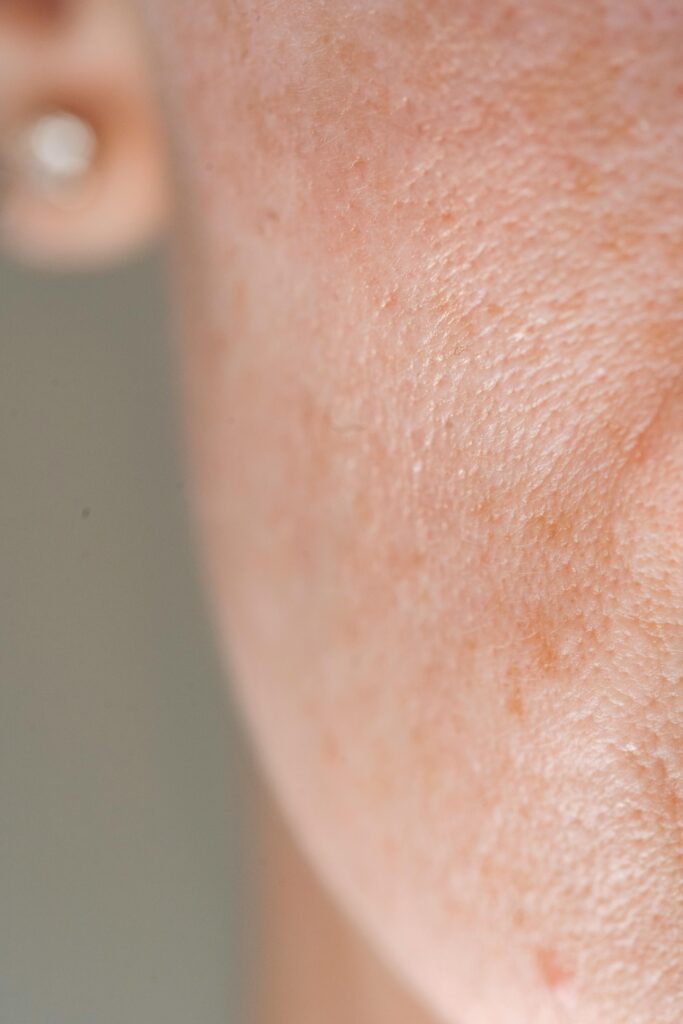
Signs you might be dealing with dehydration rather than your actual skin type include skin that looks dull or feels tight even when it looks oily, fine lines that appear suddenly and then disappear, skin that feels rough but is not actually flaky, and a complexion that looks grey or tired regardless of how much sleep you get.
The fix for dehydrated skin is hydration — specifically hyaluronic acid, glycerin, and drinking more water — not richer moisturizers. This is why getting your skin type right matters so much. The wrong diagnosis leads to the wrong products and the cycle never ends.
What Your Skin Type Means for Your Routine
Once you know your skin type, the products you choose become much clearer. Here is a quick practical guide.
If you have oily skin, look for gel or foam cleansers rather than creamy ones. Choose oil-free and non-comedogenic moisturizers. Niacinamide is your best friend — it regulates sebum production without drying out your skin. Avoid heavy face oils and thick creams, which will clog your pores. The CeraVe Foaming Facial Cleanser and The Ordinary Niacinamide 10% are two of the most consistently recommended products for oily skin by dermatologists worldwide.
If you have dry skin, cream or oil cleansers are gentler than foams. Look for moisturizers with ceramides, shea butter, and hyaluronic acid. Avoid anything with alcohol high up in the ingredients list. The CeraVe Moisturizing Cream is one of the best value products available for dry skin — it contains three types of ceramides and hyaluronic acid in a formula that genuinely repairs the skin barrier rather than just sitting on top of it.
If you have combination skin, the trick is zonal application — lighter products on the T-zone and slightly richer products on the cheeks. Gel moisturizers work well across the whole face without adding oil where you do not need it. Look for balancing ingredients like niacinamide and green tea extract.
If you have sensitive skin — regardless of type — fragrance is your enemy. It is the single most common cause of skin reactions and it hides in almost every product under ingredients like “parfum” or “fragrance.” La Roche-Posay Toleriane Double Repair Face Moisturizer is one of the few moisturizers that consistently works across sensitive skin types without causing reactions.
One More Thing Worth Knowing
Identifying your skin type at home gives you a solid starting point. But your skin has layers of complexity that go beyond the four basic types — your hydration levels, barrier health, pigmentation patterns, and specific concerns all shape what your skin actually needs day to day.
This is exactly what AI skin analysis was built for. Rather than fitting yourself into one of four categories and guessing from there, a proper AI analysis looks at your skin visually, combines it with your lifestyle and habits, and gives you a routine and product list built specifically around your skin — not a generic template.
YourSkinGPT does this for free, in under 15 seconds, with no account required. Once you know your basic skin type from the tests above, try the AI analysis and see exactly how much more specific the guidance gets.
Try your free AI skin analysis at yourskingpt.com/skin-analysis
Quick Summary
Use the bare face test — wash, wait one hour, observe. Use the blotting paper test to double-check. Remember that dehydrated skin is a condition, not a skin type. Do not judge your skin type based on how it behaves when using products. Your skin type can change over time so reassess every six to twelve months.
This article is for informational purposes only. It does not constitute medical advice. Always consult a qualified dermatologist if you have concerns about a skin condition.