
A few years ago the idea of a seven step skincare routine would have seemed excessive to most people in the West. Wash your face, moisturize, done. That was the standard. That was enough.
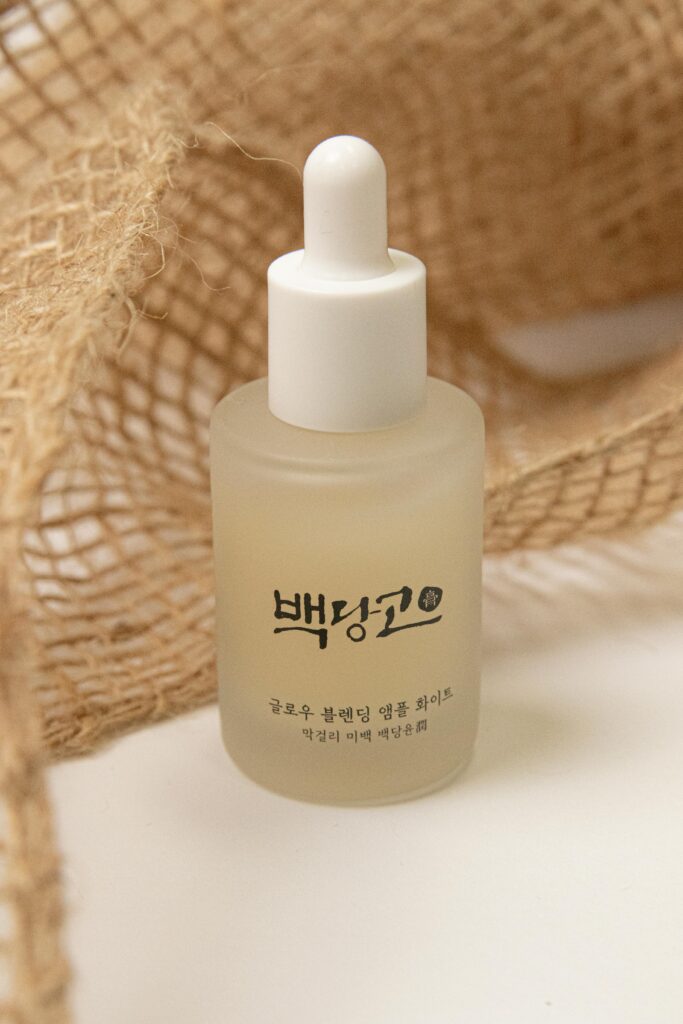
Then Korean skincare happened.
And suddenly people who had never thought twice about their skin were talking about double cleansing, essences, ampoules, and sheet masks. Glass skin — that almost impossibly clear, luminous, bouncy complexion — became the most aspirational skin goal on the internet. And the question everyone started asking was: how do Koreans actually get their skin to look like that?
The answer is not genetics. It is not luck. It is a philosophy of skincare that treats the skin as something worth consistent, daily investment — a long game rather than a quick fix. The Korean approach to skincare is fundamentally about prevention and deep hydration rather than treatment and correction. It is about giving your skin everything it needs before problems appear rather than scrambling to fix them after.
The seven step Korean skincare routine is the entry point into this philosophy. Not the full ten step routine that went viral and intimidated everyone — the accessible, beginner-friendly version that delivers genuine results without requiring forty-five minutes in the bathroom every morning.
Here is exactly what it is, why each step exists, and how to build it for your specific skin type.
The Philosophy Behind Korean Skincare
Before going through the steps it is worth understanding the thinking behind Korean skincare because it changes how you approach every product decision.
Western skincare has historically been reactive — you develop a problem, you buy a product to treat it. Korean skincare is preventive — you maintain skin health consistently so problems are less likely to develop in the first place. This is why Koreans tend to start dedicated skincare routines in their early teens rather than their late twenties when the first signs of ageing appear.
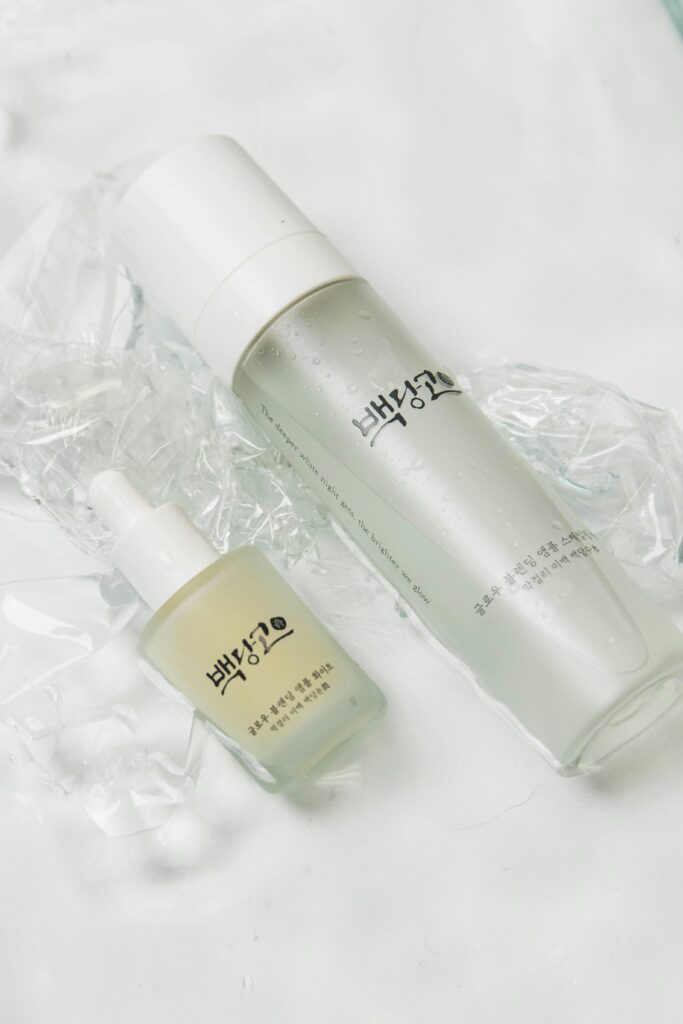
The second principle is layering. Rather than one multi-tasking product that claims to do everything, Korean skincare uses multiple lightweight layers of targeted products that each address a specific need. Each layer hydrates, treats, or protects before the next one adds to it. The cumulative effect is skin that is deeply hydrated and well-functioning at every level.
The third principle is SPF as non-negotiable. Korean sunscreen culture is arguably the most advanced in the world — the formulations are lighter, more wearable, and more cosmetically elegant than most Western SPF products. And consistent daily SPF use from a young age is considered the single most important factor in maintaining youthful skin — above any serum or treatment.
According to the American Academy of Dermatology, daily sunscreen application is the most evidence-backed strategy for preventing premature skin ageing available — which aligns precisely with Korean skincare philosophy.
Understanding these three principles makes every step of the routine make sense rather than feeling like a random collection of products.
Step 1 — Oil Cleanser
Every Korean skincare routine begins with an oil cleanser. Not because Korean skin is particularly dirty but because oil dissolves oil — and most of what sits on your skin at the end of the day is oil-based. Sunscreen, sebum, pollution particles, and makeup all have oil-based components that water alone cannot remove and that most foam cleansers cannot fully dissolve.
An oil cleanser is massaged into dry skin — no water first — and then emulsifies with water when you rinse. It lifts away everything oil-based without stripping the skin barrier. The result is genuinely clean skin that does not feel tight or irritated.
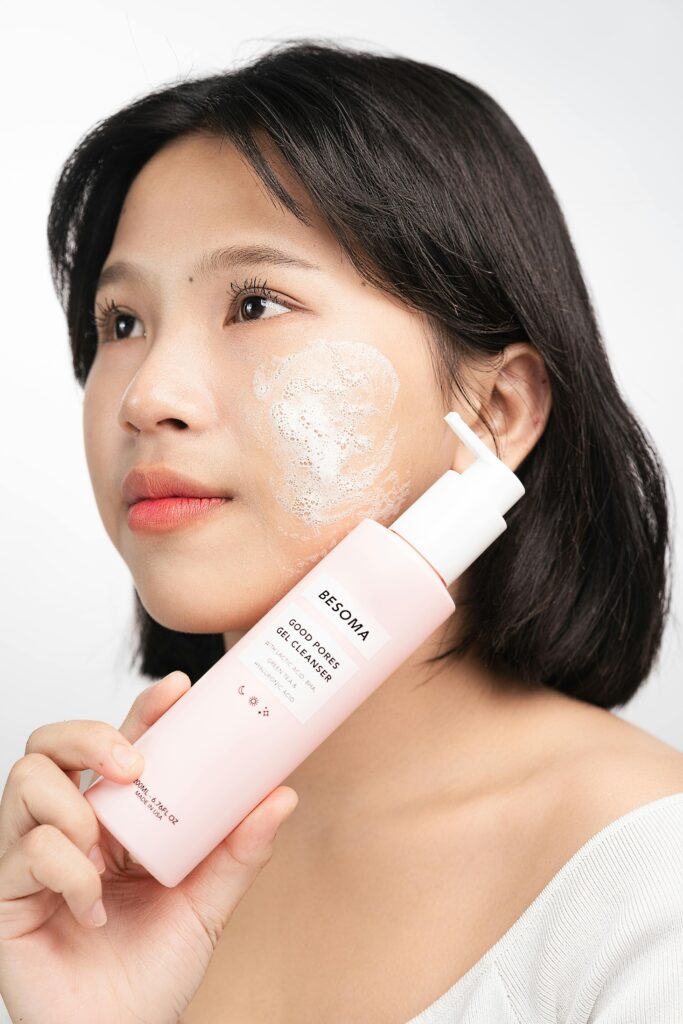
For oily skin this step feels counterintuitive. Putting oil on already oily skin sounds like the last thing you should do. But the oil-dissolves-oil principle applies regardless of skin type — and many people with oily skin find that double cleansing actually reduces their oil production over time because they are no longer stripping their skin barrier with harsh single cleansers and triggering compensatory sebum production.
Banila Co Clean It Zero Cleansing Balm is one of the most beloved oil cleansers in the Korean skincare community — a balm-to-oil formula that melts into the skin and rinses completely clean. Available at Sephora.
For sensitive skin the Heimish All Clean Balm is a gentler option with a similar balm-to-oil texture and a formula designed for reactive skin. Available at Dermstore.
Step 2 — Water-Based Cleanser
The second cleanse uses a gentle water-based cleanser to remove anything the oil cleanser left behind — water-based impurities, sweat, and any remaining traces of the oil cleanser itself. This is the double cleanse that Korean skincare made famous.
The water-based cleanser for a Korean routine should be gentle — never stripping. Foam cleansers are popular in Korean skincare because the airy foam texture feels thorough without requiring aggressive rubbing. The goal is clean skin that feels comfortable and hydrated rather than tight and squeaky.
The CosRx Low pH Good Morning Gel Cleanser is a Korean skincare community staple. It cleanses thoroughly at a skin-appropriate pH — which matters because high-pH cleansers disrupt the acid mantle, the slightly acidic protective layer on the skin surface. Maintaining that pH with a low-pH cleanser means the subsequent layers of your routine absorb more effectively. Available at Sephora.
In the morning a single cleanse with your water-based cleanser is sufficient — unless you have particularly oily skin. The double cleanse is a full evening routine step rather than a morning necessity for most people.
Step 3 — Exfoliator
Exfoliation in Korean skincare is typically chemical rather than physical — no harsh scrubs that create microscopic tears in the skin. Chemical exfoliants use acids to dissolve the bonds between dead skin cells, revealing fresher skin underneath and allowing subsequent skincare layers to penetrate more effectively.
This step is not used daily. Two to three times per week is the standard — and beginners should start with once per week while their skin adjusts. Over-exfoliation is a genuine problem that damages the skin barrier, causes sensitivity, and paradoxically makes skin look worse rather than better.
AHA — alpha hydroxy acids like glycolic and lactic acid — work on the skin surface and are best for dry skin, dull skin, and surface texture concerns. BHA — beta hydroxy acid, specifically salicylic acid — is oil-soluble and penetrates into pores, making it the better choice for oily and acne prone skin.
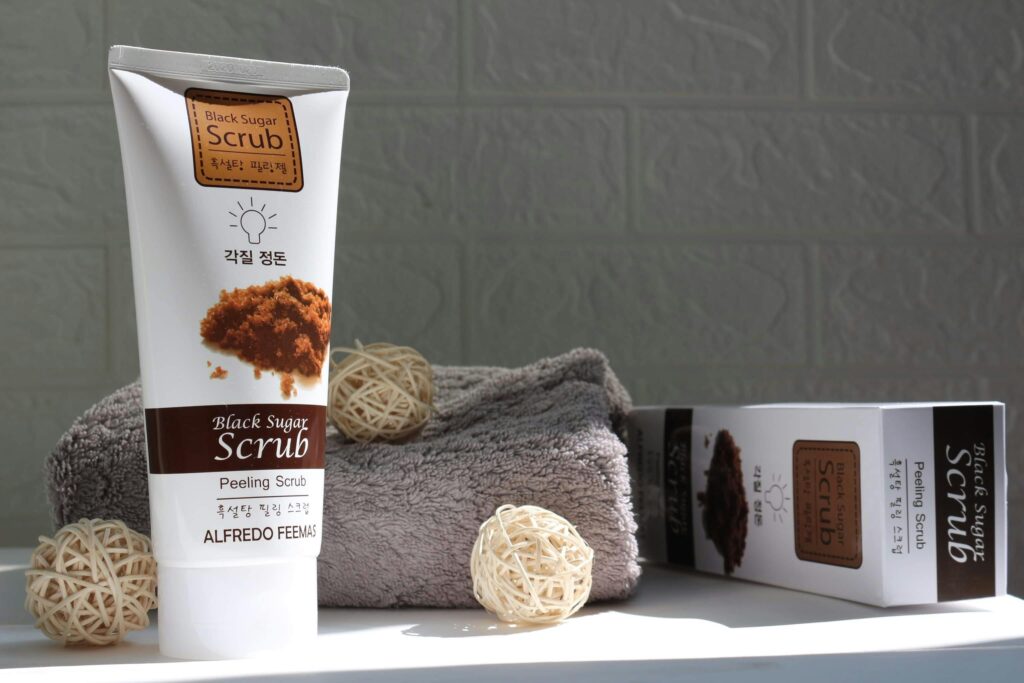
The CosRx AHA/BHA Clarifying Treatment Toner is a gentle dual-acid formula used widely in Korean skincare routines for its mild exfoliation without irritation. Available at Sephora.
For oily and acne prone skin the Paula’s Choice Skin Perfecting 2% BHA is the most recommended standalone BHA exfoliant globally — consistently praised by dermatologists for its efficacy and tolerability. Available at paulaschoice.com.
According to research published on PubMed, regular chemical exfoliation with AHA acids increases epidermal thickness and improves skin texture, tone, and hydration over time — validating the Korean skincare emphasis on consistent gentle exfoliation over aggressive scrubbing.
Step 4 — Toner
Korean toner is nothing like Western toner — and this distinction confuses more beginners than any other step. Western toners were historically alcohol-based astringents designed to remove the last traces of cleanser and tighten pores. They were typically drying and often irritating.
Korean toner is a hydrating first layer. It is a lightweight, watery formula that preps the skin to absorb everything that comes after it. Think of it as the primer for your skincare routine — it restores the skin’s moisture balance after cleansing and creates the slightly hydrated surface that allows essences, serums, and moisturizers to penetrate more deeply.
Application is different too. Rather than wiping Korean toner across your face on a cotton pad, the standard technique is patting it in with clean hands — pressing it gently into the skin to encourage absorption rather than wiping it across the surface.
The Klairs Supple Preparation Unscented Toner is one of the most universally recommended Korean toners for beginners — fragrance-free, suitable for all skin types, and formulated with hyaluronic acid and botanical extracts that deliver genuine hydration. Available at Dermstore.
For oily skin the Some By Mi AHA BHA PHA 30 Days Miracle Toner provides light exfoliation alongside hydration — a two-in-one option that streamlines the exfoliation and toning steps. Available at Sephora.
Step 5 — Essence
Essence is the heart of Korean skincare — the step that most clearly differentiates a Korean routine from a Western one. It is the product category that confuses newcomers most and the one that makes the biggest difference once you understand it.
An essence is a lightweight, concentrated formula that sits between toner and serum in texture. It is thicker than toner but thinner than serum. Its primary function is deep hydration and skin renewal — many essences contain fermented ingredients, growth factors, and concentrated actives that support cellular turnover and long-term skin health.
The most famous essence in skincare history is the SK-II Facial Treatment Essence — built around Pitera, a fermented yeast extract that SK-II discovered to be responsible for the remarkably youthful hands of sake brewery workers despite their age. It remains one of the most studied and validated skincare products available. At $185 for 230ml it is a luxury investment — available at Sephora.
For beginners looking for a more accessible entry point the Missha Time Revolution The First Treatment Essence is widely considered the closest affordable dupe to SK-II — it uses a similar fermented yeast filtrate at a fraction of the price. Available at Dermstore.
Apply essence by pouring a small amount into your palms and pressing it gently into skin — the same patting technique used for toner. Allow it to absorb for 30 to 60 seconds before the next step.
Step 6 — Serum or Ampoule
This is the treatment step — where you address your specific skin concerns directly. A serum contains concentrated active ingredients targeted at a particular issue. An ampoule is essentially a more concentrated version of a serum — used for intensive short-term treatment rather than daily maintenance.
For a beginner Korean routine choose one serum that addresses your primary skin concern. Do not layer multiple serums when starting out. One targeted serum used consistently delivers better results than three different serums used intermittently.
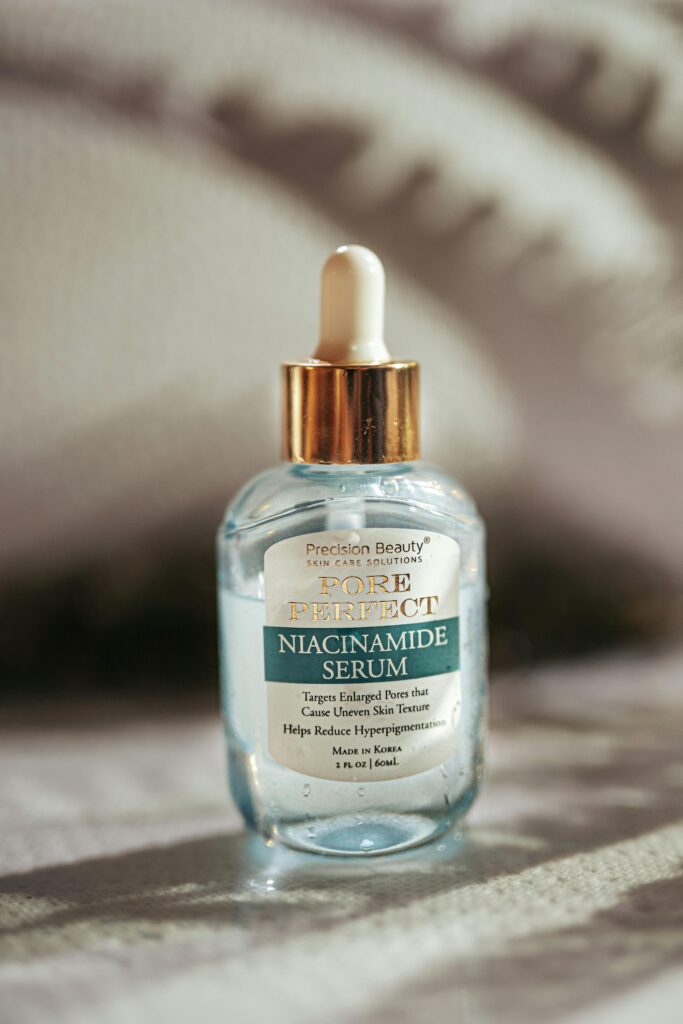
For brightening and hyperpigmentation: a vitamin C serum like the TruSkin Vitamin C Serum delivers antioxidant protection and gradual dark spot fading. Available at Sephora.
For oily and acne prone skin: The Ordinary Niacinamide 10% + Zinc 1% regulates sebum, minimizes pores, and fades post-acne marks simultaneously. Available at Sephora.
For dry and dehydrated skin: The Inkey List Hyaluronic Acid Serum delivers multi-weight hyaluronic acid hydration that plumps the skin surface and supports barrier function. Available at Sephora.
For anti-ageing: a peptide serum like The Ordinary Buffet targets multiple signs of ageing simultaneously — fine lines, loss of elasticity, and uneven tone. Available at Sephora.
The CosRx Snail Mucin 96% Power Repairing Essence deserves a special mention because it straddles the line between essence and serum perfectly. Snail secretion filtrate is one of the most fascinating ingredients in Korean skincare — it contains growth factors, glycoproteins, and hyaluronic acid that accelerate skin healing and repair. Particularly valuable for acne prone skin because it simultaneously hydrates and helps heal active breakouts and the marks they leave. Available at Sephora.
Step 7 — Moisturizer and SPF
The final two steps seal everything you have applied into the skin and protect it from environmental damage throughout the day.
Moisturizer in a Korean routine is typically lighter than Western moisturizers because the preceding layers of toner, essence, and serum have already delivered significant hydration. The moisturizer’s primary job is occlusion — creating a seal that prevents the hydration you have built up from evaporating.
Gel-cream formulas are popular in Korean skincare because they provide this occlusive function without heaviness. The Belif The True Cream Aqua Bomb is a beloved Korean moisturizer that delivers an intensely refreshing surge of hydration in a gel texture that suits most skin types. Available at Sephora.
For drier skin the Laneige Water Sleeping Mask used as a nightly moisturizer is one of the most iconic Korean skincare products available — a water-based sleeping pack that deeply hydrates overnight. Available at Sephora.
SPF closes the morning routine. Korean sunscreen formulations are genuinely superior to most Western options in terms of wearability — they are typically lighter, more elegant, and less likely to cause breakouts or leave a white cast. The Beauty of Joseon Relief Sun Rice and Probiotics SPF 50+ PA++++ has become one of the most beloved sunscreens globally for good reason — it absorbs completely, leaves no white cast, and works beautifully under makeup. Available at Sephora.
The Evening Version of the Routine
The morning routine prioritizes protection — antioxidants and SPF creating a barrier against UV and pollution. The evening routine prioritizes repair — giving skin the actives and hydration it needs to regenerate overnight.
The evening routine follows the same step order but with modifications. Skip SPF obviously — there is no UV to protect against while you sleep. Add exfoliation two to three evenings per week after cleansing. Replace your vitamin C serum with a retinol or repair serum if you are using one. Use a slightly richer moisturizer or add a sleeping mask as the final step to support overnight recovery.
Sheet masks — probably the most famous element of Korean skincare — fit into the evening routine after essence and before serum. They are not a daily necessity but one to three times per week provides an intensive hydration boost that makes a visible difference to skin texture and radiance. The Abib Mild Acidic pH Sheet Mask is an excellent beginner option. Available at Dermstore.
Building Your Routine Based on Skin Type
The seven step framework stays the same regardless of skin type — but the specific products within each step should be chosen for your skin’s individual needs.
Oily skin should use gel and foam textures throughout. Lightweight toners. BHA exfoliation. Niacinamide serum. Oil-free gel moisturizer. Mineral matte SPF.
Dry skin should use cream and balm textures. Richer toners with hyaluronic acid. AHA exfoliation. Hyaluronic acid or peptide serum. Ceramide-rich cream moisturizer. Hydrating SPF.
Combination skin uses a hybrid approach — gel textures on the T-zone, slightly richer textures on the cheeks. Both AHA and BHA exfoliation on alternating days. Niacinamide serum works well for the whole face. A gel-cream moisturizer balances both zones effectively.
Sensitive skin skips exfoliation until the barrier is strong — build toner, essence, and serum layers first for several weeks. When introducing exfoliation start with once per week with the most gentle option. Prioritize fragrance-free formulas throughout.
If you want to know exactly which products from this routine are right for your specific skin type and concerns the free AI skin analysis at yourskingpt.com/skin-analysis builds a complete personalized routine in 15 seconds from a selfie. It is far more specific than any general guide can be — because your skin is individual and the best routine for you is built around what your skin actually needs rather than what works for your skin type category generally.
You might also find our guides on how to know your skin type at home and vitamin C serum benefits for skin useful for filling out your routine once you have the framework in place.
Common Mistakes Beginners Make With Korean Skincare
Starting all seven steps on day one. This is the fastest way to overwhelm your skin and have no idea what caused any reaction. Start with cleansing, toner, moisturizer, and SPF. Add one new product every two weeks.
Buying every product from a single brand. Korean skincare is about finding the best product at each step — not building a matching set from one brand. Mixing brands is completely normal and often produces better results because you are choosing the best performer at each step rather than the most convenient.
Skipping SPF because it feels heavy. If your SPF feels heavy or greasy it is the wrong SPF for your skin type. Try a Korean mineral SPF specifically formulated for oily or combination skin — the Beauty of Joseon or the Purito Daily Go-To Sunscreen are two of the most universally recommended lightweight options.
Judging results after one week. Korean skincare is a long game. The philosophy is prevention and maintenance — not instant transformation. Give each new product four to six weeks before making a judgment.
Doing the full routine morning and evening when you are new to it. Start with the full routine in the evening only. In the morning use just the cleanse, moisturizer, and SPF while your skin adjusts. Gradually add steps as your skin builds tolerance.
How Much Does a Beginner Korean Skincare Routine Cost?
One of the persistent myths about Korean skincare is that it is expensive. The ten-step luxury version with SK-II and premium ampoules certainly is. But a genuinely effective beginner seven-step routine can be built for under $100 total — and many of the products last two to three months.
Here is a realistic beginner budget breakdown:
Oil cleanser — Banila Co Clean It Zero — around $12. Water-based cleanser — CosRx Low pH Gel Cleanser — around $12. Exfoliator — CosRx AHA/BHA Toner — around $22. Toner — Klairs Supple Preparation Toner — around $22. Essence — Missha Time Revolution Essence — around $30. Serum — The Ordinary Niacinamide — around $7. Moisturizer — Neutrogena Hydro Boost — around $20. SPF — Beauty of Joseon Relief Sun — around $15.
Total: approximately $140 for a complete routine that lasts two to three months — under $50 per month. That is less than a single department store moisturizer and it delivers a significantly more comprehensive skincare approach.
Frequently Asked Questions
Do I need all seven steps? No — and nobody is telling you that you do. The steps are a framework. A three-step routine of cleanser, moisturizer, and SPF is a complete, effective routine. The additional steps add targeted benefits and deeper hydration — but they are additions, not requirements. Start with what you will actually use consistently.
Can men use Korean skincare? Absolutely. Korean skincare has no gender — it is a system of skin health maintenance that works for every skin type regardless of gender. South Korean men are among the highest per-capita skincare consumers globally. The products and steps are equally effective for all genders.
Is Korean skincare suitable for acne prone skin? Yes — with the right products. The double cleanse removes pore-clogging residue more effectively than single cleansing. BHA exfoliation addresses the root cause of breakouts. Lightweight layering hydrates without congesting pores. Many people with acne prone skin find Korean skincare significantly more effective than Western acne-focused routines precisely because it addresses barrier health alongside acne treatment.
Do I need to use Korean brand products for a Korean skincare routine? No. The Korean skincare routine is a framework — the products at each step can be from any brand. Many of the most popular products used within Korean skincare routines globally are Western brands — CeraVe, The Ordinary, Paula’s Choice, and Neutrogena all appear regularly in Korean-inspired routines because the formulations suit the approach.
How long does the full routine take? A seven-step routine done correctly takes approximately ten to fifteen minutes in the morning and fifteen to twenty minutes in the evening. Each product needs only thirty to sixty seconds to absorb before the next step. It sounds time-consuming but most people find it becomes a meditative part of their day rather than a chore.
The Bottom Line
The Korean skincare routine is not about using more products for the sake of it. It is about understanding that skin health is built in layers — hydration, treatment, and protection applied consistently over time.
The seven step framework gives beginners a clear, logical structure that explains why each product exists and what it contributes. You do not need to follow every step every day. You do not need to spend a fortune. You just need to start somewhere, add one step at a time, and give it enough time to work.
Begin with the double cleanse and an SPF. Add toner. Add your targeted serum. Add essence when you are ready. The routine builds itself naturally as your skin improves and your confidence in your routine grows.
And if you want a routine built specifically around your skin rather than a general framework, try the free AI skin analysis at yourskingpt.com/skin-analysis — it analyzes your actual skin and tells you exactly which products and steps your skin specifically needs. Free, instant, and significantly more personalized than any general guide.
This article is for informational purposes only and does not constitute medical advice. Always consult a qualified dermatologist for persistent skin concerns or conditions.