
Getting a professional free skin analysis used to mean booking a dermatologist appointment, paying a consultation fee, and waiting weeks for a slot. Today, free AI skin analysis online tools have made it possible to get a detailed, personalized understanding of your skin in under 15 seconds — from your phone, at home, for free.
But how does it actually work? Is AI skin analysis accurate? And what should you do with the results? This guide answers all of it.
Try YourSkinGPT Free Right Now
Upload a selfie, answer 5 quick questions, and get your full personalized skin analysis, routine, and product recommendations in 15 seconds.
What Is a Free AI Skin Analysis?
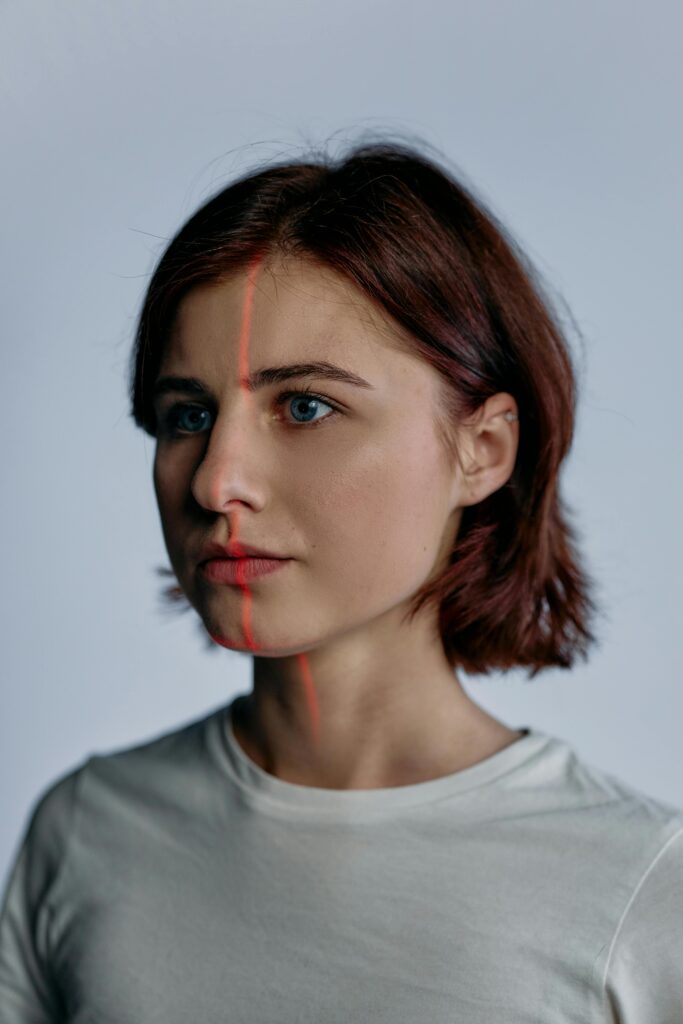
A free AI skin analysis is a tool that uses artificial intelligence — specifically computer vision and machine learning — to analyze a photo of your face and identify key characteristics about your skin. Unlike a basic skin type quiz that relies entirely on your own answers, AI analysis uses visual data from your actual skin to generate more accurate, personalized insights.
Modern AI skin analysis tools can detect your skin type (oily, dry, combination, or normal), your skin tone, hydration levels based on visual texture, pore size and congestion, pigmentation issues including dark spots, signs of fine lines, redness and sensitivity indicators, and your overall skin clarity and radiance score.
Important note: A free AI skin analysis online is not a medical diagnosis. It is a highly personalized skincare guidance tool that helps you understand what your skin needs and which products are best matched to you. For serious skin conditions, always consult a qualified dermatologist.
How Does AI Skin Analysis Actually Work?
The technology behind AI skin analysis combines computer vision and natural language AI. Here is how the process works from the moment you upload your photo to the moment you receive your results.
Step 1 — You upload a selfie. A clear, well-lit photo of your face gives the AI the visual data it needs. Natural daylight without heavy makeup or filters produces the most accurate results.
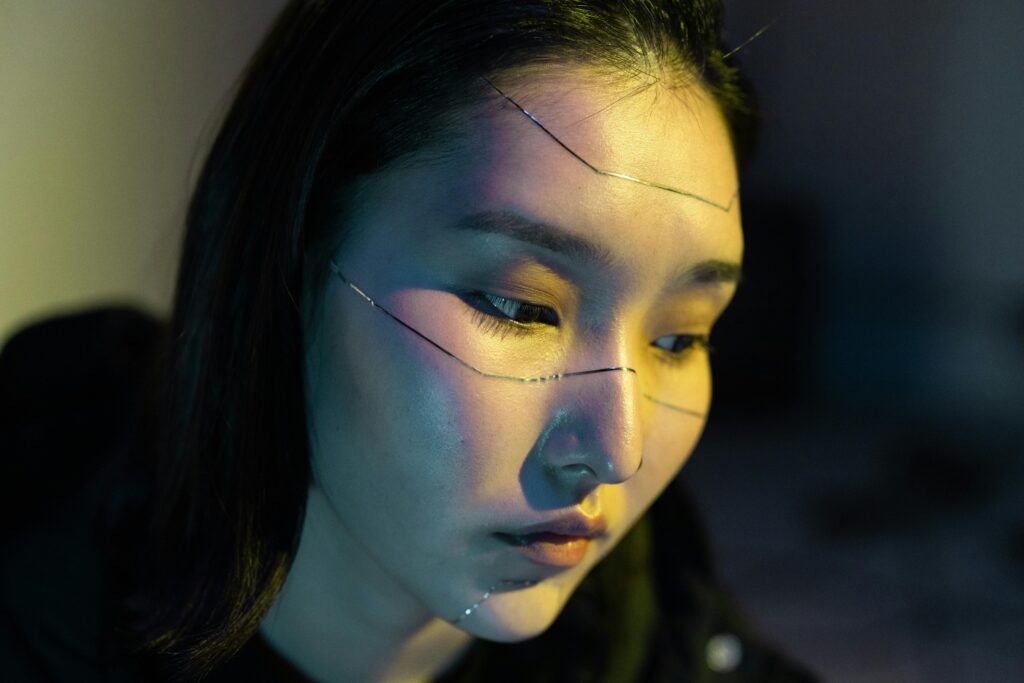
Step 2 — Computer vision scans your skin. The AI analyzes your photo at a pixel level, examining texture patterns, color distribution, pore appearance, surface reflectance, and dozens of other visual indicators simultaneously.
Step 3 — Your lifestyle answers add context. Your answers about age, water intake, sleep quality, and skin concerns give the AI critical context that a photo alone cannot provide. This hybrid approach produces far more accurate recommendations.
Step 4 — The AI generates your personalized report. Combining visual analysis with your questionnaire answers, the AI produces a complete skin report including skin type, health scores, key concerns, a morning and evening routine, and specific product recommendations.
Step 5 — Results are delivered instantly. Your full analysis appears on screen in under 15 seconds and is sent to your email so you can refer back to it anytime.
According to the American Academy of Dermatology, understanding your skin type is the foundation of an effective skincare routine. AI tools now make this accessible to everyone — not just those with access to professional consultations.
The Four Skin Types AI Can Identify
One of the most valuable outputs of an AI skin analysis is an accurate skin type identification. Many people misidentify their skin type — particularly those who confuse dehydrated skin with dry skin, or combination skin with oily skin.
Oily skin produces excess sebum, leading to a shiny appearance, enlarged pores, and a tendency toward breakouts. The T-zone — forehead, nose, and chin — is typically most affected.
Dry skin produces less sebum than normal, leading to a tight feeling, rough texture, and sometimes flaky patches. Dry skin needs rich moisturizers and gentle, non-stripping cleansers.
Combination skin has an oily T-zone combined with normal or dry cheeks. It is the most common skin type and the trickiest to manage, as different areas need different ingredients.
Normal skin has well-balanced sebum production, minimal visible pores, and few concerns. Normal skin still benefits from a consistent routine to maintain its natural balance.
A fifth category — sensitive skin — is not technically a skin type but rather a characteristic that can apply to any of the four types above. AI skin analysis can detect sensitivity indicators including redness, reactivity patterns, and compromised barrier signs.
Benefits of Using AI Over a Basic Quiz
Traditional skin type quizzes ask you questions like “does your skin feel tight after cleansing?” and give you a result based on your self-reported answers. The problem is that most people do not know enough about their skin to answer accurately — which is exactly why they are taking the quiz in the first place.
AI skin analysis solves this problem by using objective visual data. Quizzes rely on self-reported answers while AI relies on actual visual evidence from your skin. Quizzes produce generic skin type labels while AI produces a detailed multi-factor assessment with scores. Quizzes give the same advice to everyone with oily skin while AI combines your skin type with your specific concerns, age, and lifestyle. Quizzes cannot detect what you cannot see yourself while AI detects early signs of dehydration, barrier damage, and pigmentation you may not have noticed.
A study published on the National Library of Medicine found that consumer self-assessment of skin type is inaccurate in up to 60% of cases — highlighting why objective AI-based analysis provides significantly more reliable guidance.
What to Expect From Your Results
When you use a free AI skin analysis online tool like YourSkinGPT, your results include several detailed sections that together give you a complete picture of your skin and exactly what it needs.
Your results include your confirmed skin type and tone, individual health scores for hydration, clarity, evenness, texture, and radiance, the specific concerns your skin is showing right now, a step by step morning routine designed for your skin type, a tailored evening routine using repair and restoration ingredients, five specific product recommendations from trusted brands, natural lifestyle tips around sleep, hydration, diet, and stress, and dietary guidance with the best foods for your skin type.
Your complete routine is also sent to your email so you have a permanent reference without needing to repeat the analysis every day.
Recommended Products for Every Skin Type
One of the most practical outputs of an AI skin analysis is personalized product recommendations. Rather than spending hours reading reviews and trying products that may not suit your skin, AI analysis matches you to products based on your actual skin data.
For oily and acne-prone skin, the CeraVe Foaming Facial Cleanser is a dermatologist-favourite that removes excess oil without stripping the skin barrier. The Paula’s Choice Skin Perfecting 2% BHA Liquid Exfoliant is a salicylic acid treatment that unclogs pores and reduces breakouts without irritation.
For dry and sensitive skin, the CeraVe Moisturizing Cream contains ceramides and hyaluronic acid that repair and protect the skin barrier. The La Roche-Posay Toleriane Hydrating Gentle Cleanser is an ultra gentle formula with prebiotic thermal water that soothes even the most reactive skin.
For all skin types, The Ordinary Niacinamide 10% + Zinc 1% is one of the most universally effective serums available — reducing pore appearance, controlling oil, and fading dark spots across every skin type.
Frequently Asked Questions
Is free AI skin analysis online actually accurate?
AI skin analysis is significantly more objective than self-reported quizzes because it uses visual data rather than your own estimates. Accuracy depends on photo quality — a clear, well-lit selfie without filters produces the most reliable results. AI analysis is a powerful guidance tool but is not a substitute for a professional dermatologist assessment.
Is my photo stored when I use an AI skin analysis tool?
At YourSkinGPT, your photo is processed instantly for analysis and never stored on our servers. Your image is used only for the duration of the AI analysis request and is not saved, logged, or shared.
How often should I do an AI skin analysis?
Your skin changes with seasons, hormones, diet, and age. A good practice is to do a free AI skin analysis online every four to eight weeks to track changes and update your routine accordingly. YourSkinGPT offers one free analysis per day.
Can AI skin analysis detect skin conditions like acne or eczema?
AI skin analysis tools like YourSkinGPT are designed to provide general skincare guidance — not medical diagnoses. While the AI can identify visual indicators such as redness and texture concerns, it cannot diagnose skin conditions. If you suspect a skin condition, please consult a qualified dermatologist.
What is the best free AI skin analysis tool in 2026?
YourSkinGPT is one of the most comprehensive free AI skin analysis tools available in 2026. It combines photo analysis with a lifestyle questionnaire to produce a complete skin report including health scores, morning and evening routines, five product recommendations, lifestyle tips, and dietary guidance — all free with no account required.
Ready to find out exactly what your skin needs? Try YourSkinGPT’s free AI skin analysis at yourskingpt.com/skin-analysis — results in 15 seconds, no account needed. Click Below:
This article is for informational purposes only and does not constitute medical advice. Always consult a qualified dermatologist for serious skin concerns.